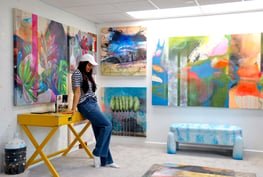
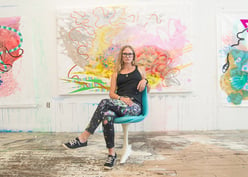
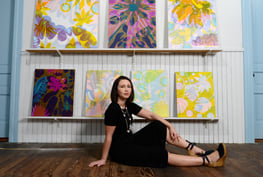
Poonam Choudhary is a contemporary visual artist known for her abstract expressionist and landscape acrylic paintings. Working out of her creative studio, Poovi Art, she draws on personal memory and the resilience of nature to guide her intuitive creative process.
She works primarily with acrylics, leaning into the medium's depth and fluidity to build pieces charged with movement and emotion. Her vibrant and colorful pieces invite viewers to slow down and find their own meaning in the ephemeral shapes and layered textures present.
Tell us about your journey to becoming a professional artist.
Art has always been a part of who I am.
As a child, I was constantly drawing, creating, and paying attention to the world’s shapes, colors, and textures. But like many artists, it took me a while to realize that creativity could become a lifelong career.
The defining moment came when I understood that art making was deeper than just an enjoyable hobby. I realized the creative process was how I processed life, emotions, and experiences. After moving to the United States, I started taking my practice more seriously, and what began as a personal outlet slowly turned into a professional career. It wasn't a single dramatic moment, but a growing realization that no matter where life took me, I kept ending up back in the studio. Art wasn't something I did, but rather how I made sense of the world.
Tell us about your work.
My work explores the relationship between memory, nature, emotion, and transformation. I am interested in the quiet spaces between chaos and order, presence and absence, growth and decay.
I don’t work in a literal way. I use abstraction to explore feelings and experiences that are difficult to put into words. The layers and textures in each piece become their own language that I hope viewers can apply to their own memories and emotions. I want my work to give people a reason to slow down and find a little stillness in themselves. 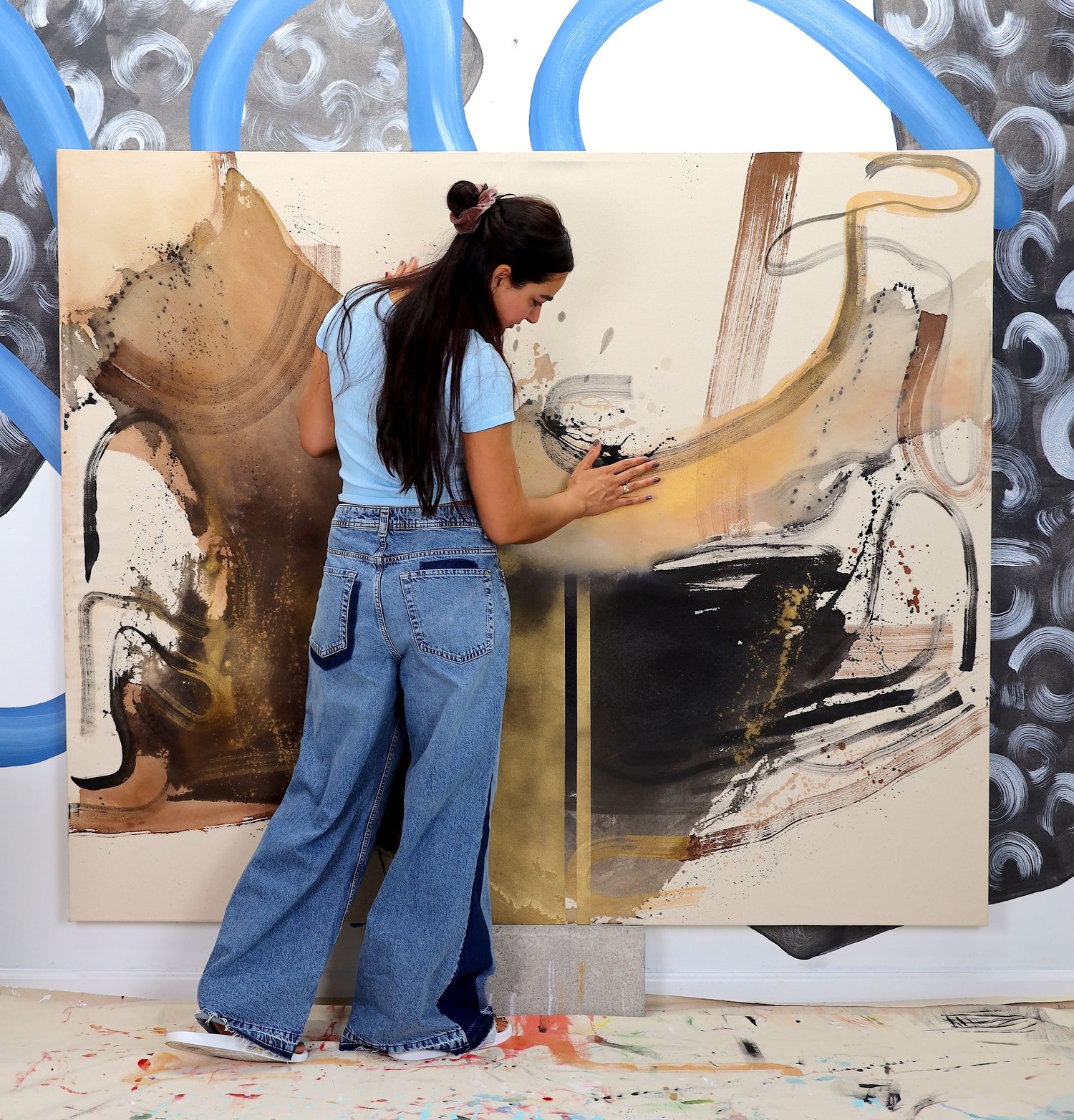
Tell us about your process.
My process is intuitive. I rarely start with a sketch or fixed plan. Instead, I usually build a surface first, through layers of texture, plaster, paint, and mark-making, and then let the painting tell me where it wants to go from there.
A lot of it is just listening to the work. I spend almost as much time looking at a piece as I do actively painting it. I’ll frequently step back and allow the piece to reveal what it needs next. Some works come together quickly, while others require months of revisiting and reflection.
Walking is also an important ritual for me. A lot of my ideas show up during quiet walks when I am just observing patterns, weathered surfaces, and the rhythms of nature.
When you are looking for inspiration, what resources do you turn to?
Nature is my greatest source of inspiration. I am endlessly fascinated by the resilience found throughout the natural world in the texture of tree bark, changing seasons, and weathered landscapes.
I also pull from personal experiences: memories, emotional transitions, travel, conversations, family stories, and even ordinary moments that stick with me for no obvious reason. Inspiration rarely shows up as a finished image. It usually starts as a feeling first, and slowly becomes color and texture and movement on the canvas.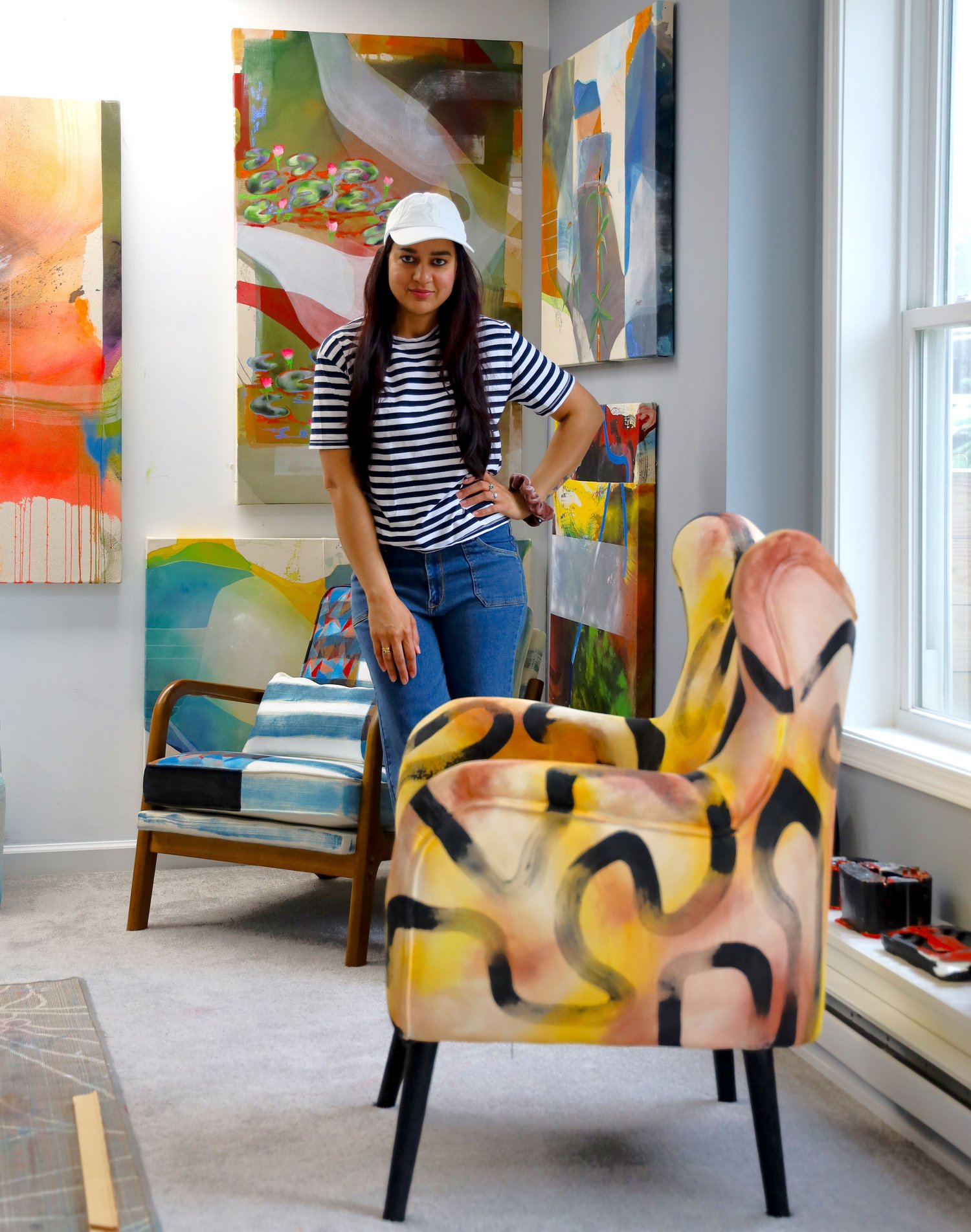
Finding the right rhythm to be productive can be a challenge. What advice do you have for staying productive and focused as an artist?
I believe consistency is more important than waiting for inspiration. Inspiration tends to show up once you’re already working.
My advice is get to the studio even on the days you don’t feel like it. Not every session produces something finished, but it all still contributes to the larger creative process. I try not to fixate on immediate results and focus more on maintaining a steady practice. It adds up, even when it doesn't feel like it in the moment.
What is your advice for combating creative blocks?
When I hit a block, I stop trying to force it. Instead, I go back to just observing and being curious.
Sometimes that means spending time in nature, experimenting with unfamiliar materials, revisiting sketchbooks, or simply allowing myself to create without expectations. Creative blocks often happen because we become too focused on an outcome. Giving myself permission to play helps reignite my creativity. I’ve learned that rest counts as a valuable part of the creative process, and not everything happens in the studio.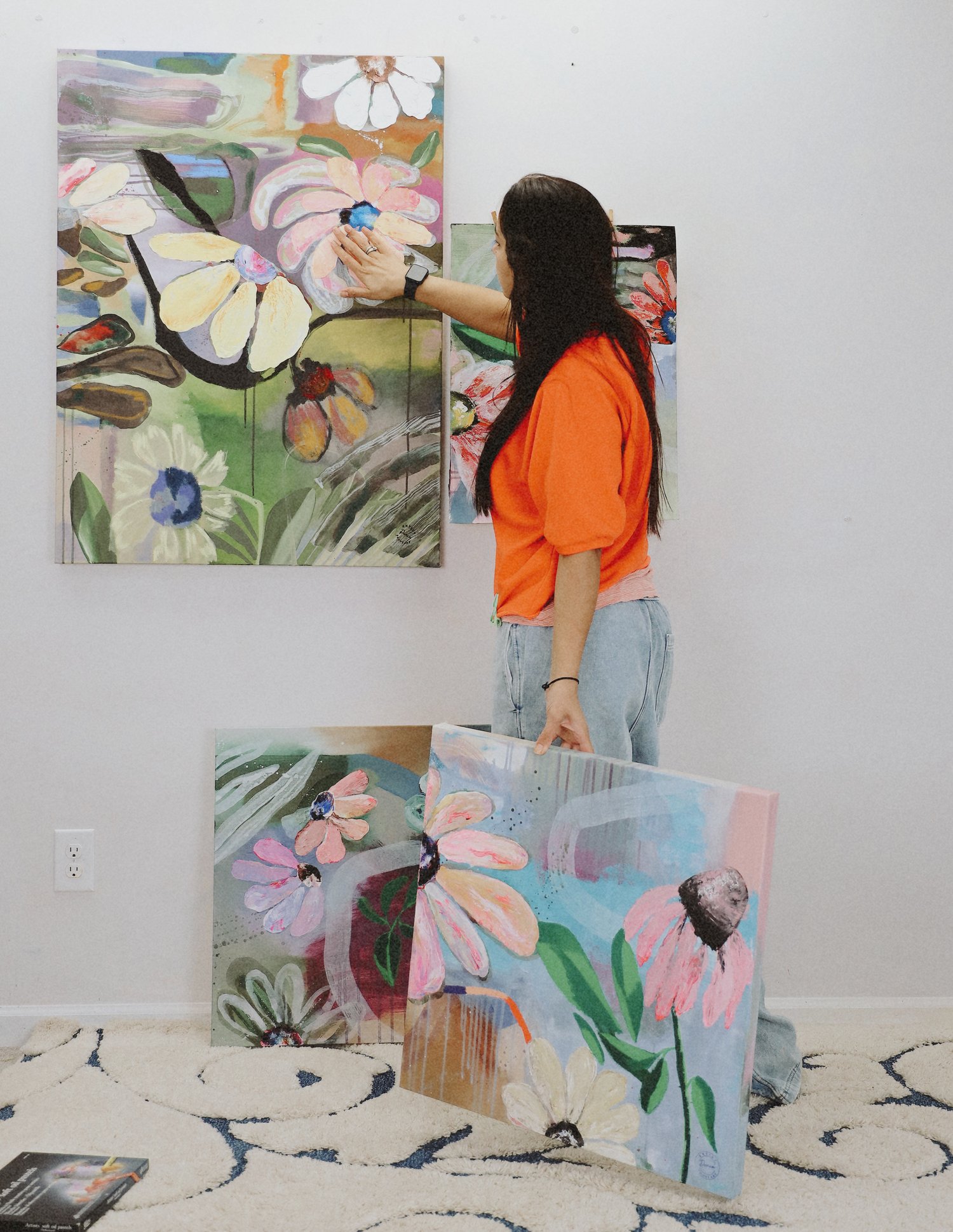
As an artist, how do you measure your success?
My idea of success has changed throughout my career. Early on, success meant sales and getting noticed. Now it’s more about whether I’m still growing, challenging myself, and creating meaningful work.
One milestone that stands out was seeing my work placed in public and commercial spaces where thousands of people pass it every day. It moves me to know that people can connect with my pieces as part of their daily environment.
What advice do you have for artists who are beginning to build their careers?
Keep making work, share it, and be patient. A career doesn’t happen overnight, it comes out of relationships and visibility over time. I've found that having a professional online presence, showing your work in exhibitions, networking with galleries and designers, and consistently creating new work have all helped open doors for me. But most importantly, find your own voice and don’t chase trends.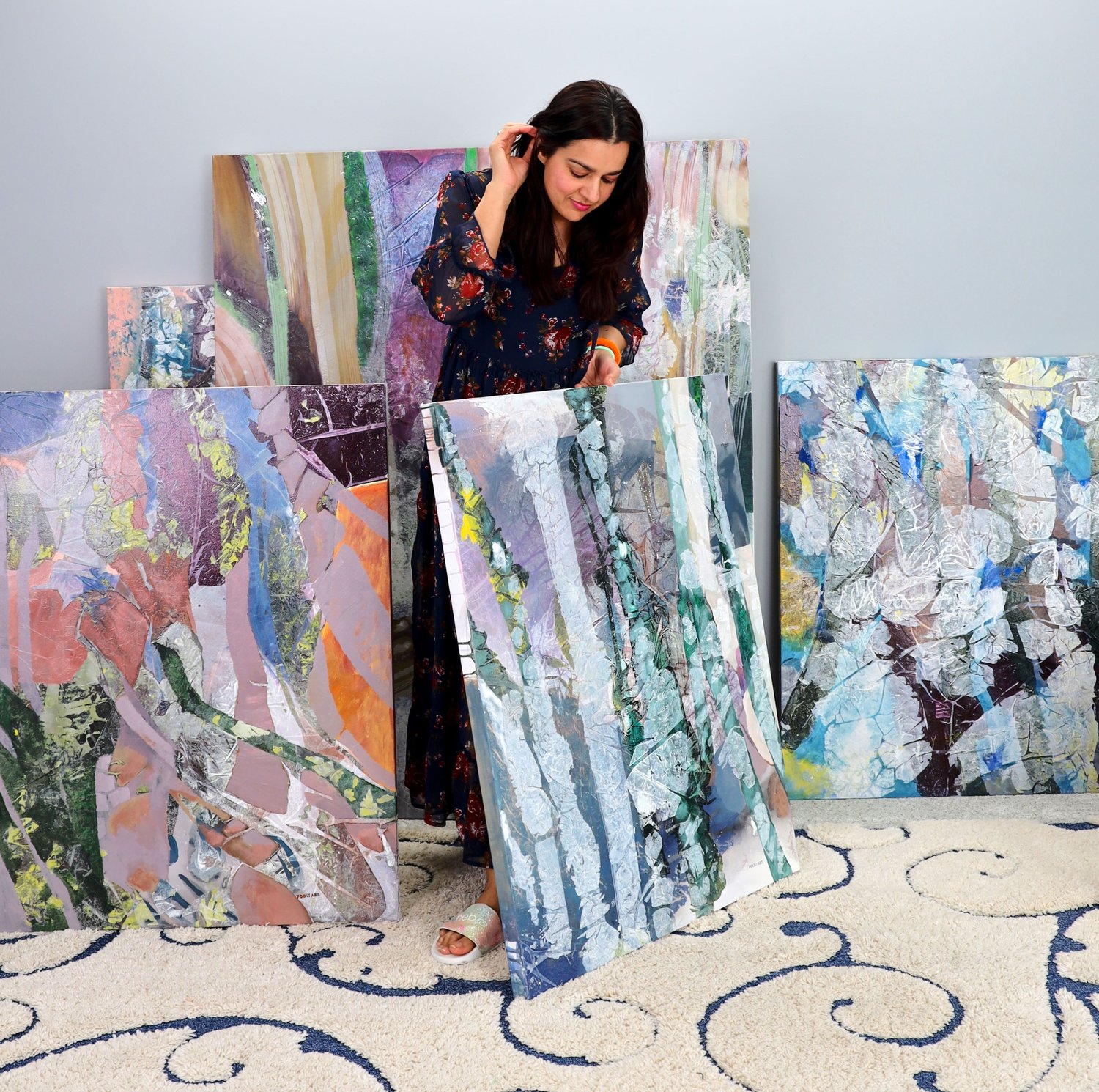
Do you consider yourself, and all artists, to be entrepreneurs?
Absolutely. While creativity remains at the center, a working artist also has to handle marketing, communication, pricing, logistics, contracts, and planning. You’re a creator and a business owner at the same time, whether you signed up for that or not. Learning the business side of things is what actually lets you keep making the work.
Failure is an inevitable part of success in any field. Do you have advice for overcoming setbacks and staying resilient in the face of challenges?
Setbacks are rarely the end of the story. Rejections, unsuccessful exhibitions, damaged work, and opportunities that fall through the cracks are all part of being an artist.
What gets me through it is remembering why I started making work in the first place. If your motivation is rooted in genuine passion for the work itself, temporary setbacks become easier to navigate. Every challenge has taught me something and contributed to my growth as an artist, especially the ones that stung at the time.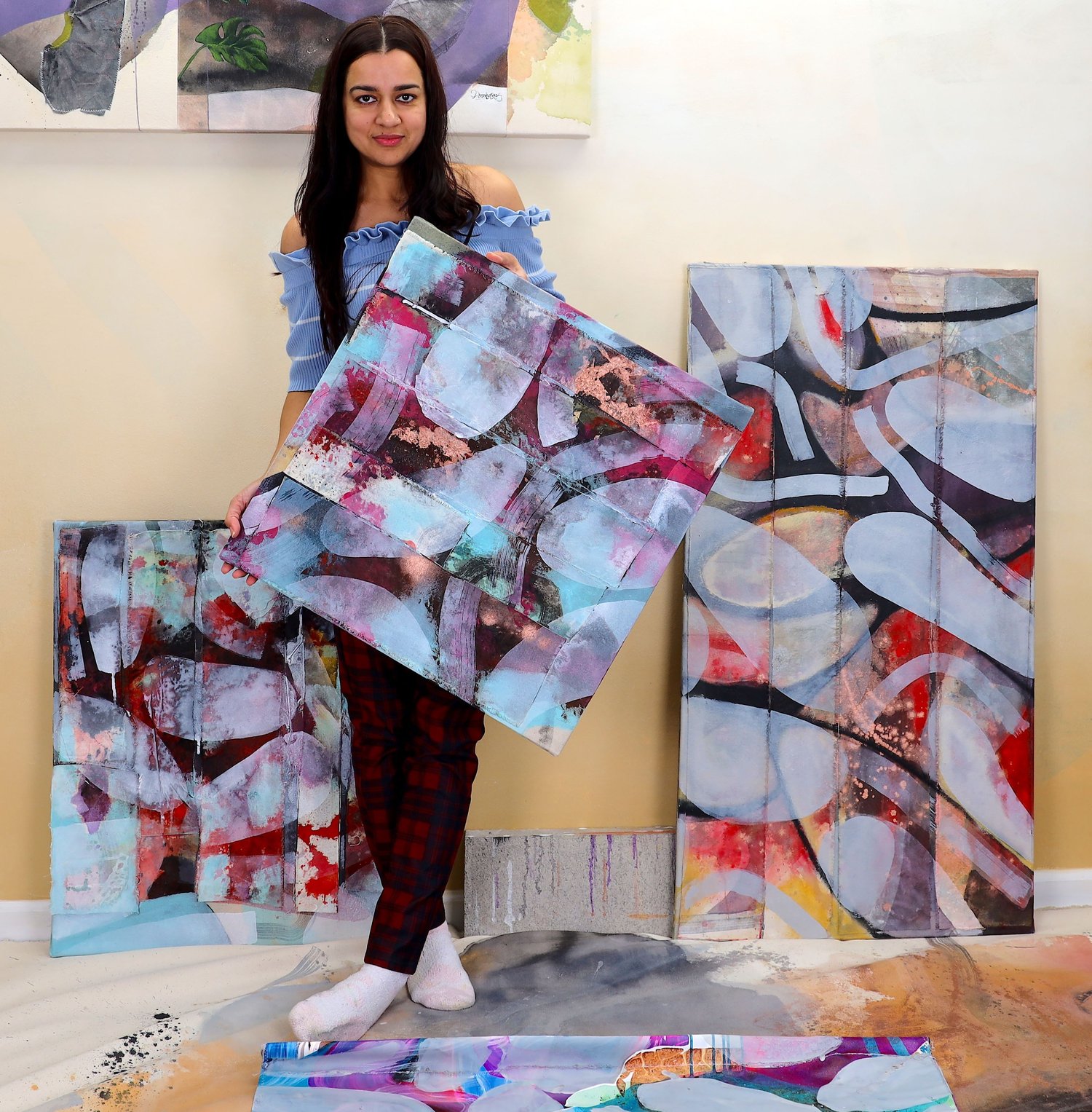
What sparked your interest in partnering with TurningArt?
What drew me in was how committed TurningArt is to putting art in front of people every day. They value the artists and the people living with the work equally, which isn’t a given in this industry.
My experience has been very positive. Their team is supportive, professional, and genuinely invested in getting artists in front of a wider audience. Partnering with them has felt like a real collaboration.
What does having your artwork in public spaces mean to you?
It is incredibly meaningful. Art can shift moods and change how a space feels. Knowing that people encounter my work during their daily routines, whether in an office, healthcare setting, hospitality space, or public environment, gives the artwork a life outside the studio. It becomes part of someone's experience, and I find that deeply rewarding.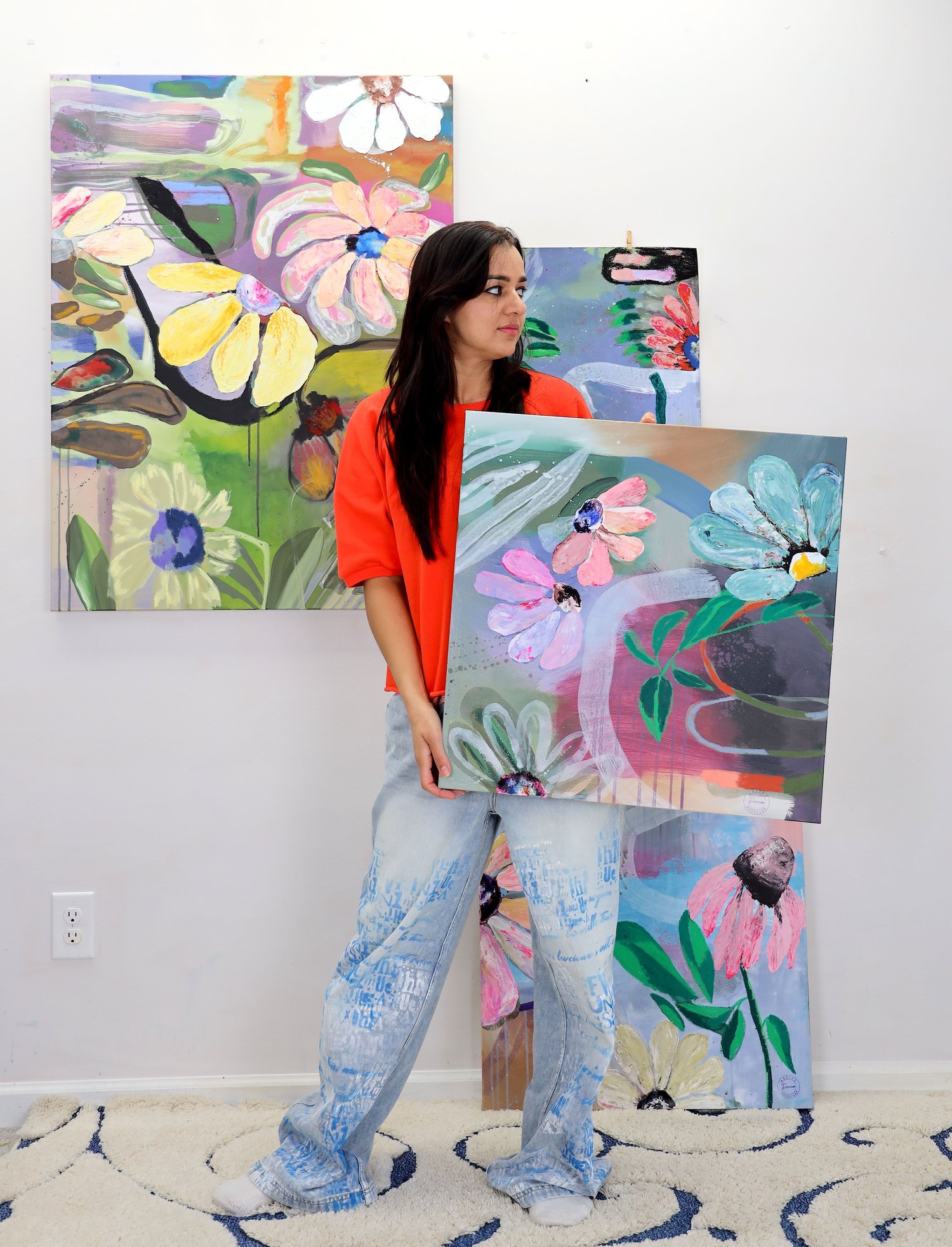
Was there ever a moment of clarity about being an artist?
I remember a period where I tried to step back from making art because life became busy with responsibilities and commitments. But no matter what else was going on, I kept catching myself thinking about paintings, colors, textures, and ideas I wanted to experiment with. That realization was the moment it clicked: this wasn’t just a career choice I could leave behind. Creating is an essential part of who I am and how I make sense of the world.
How does being an artist affect your perception of the world?
Being an artist has led me to notice more than I used to. The texture of a weathered wall, the way shadows move through a room, subtle shifts in color in a landscape, or the mood of a place are often overlooked details but that can spark inspiration.
I think making art trains you to see possibilities in ordinary things. Everyday moments turn out to hold a lot more than they seem to at first glance. 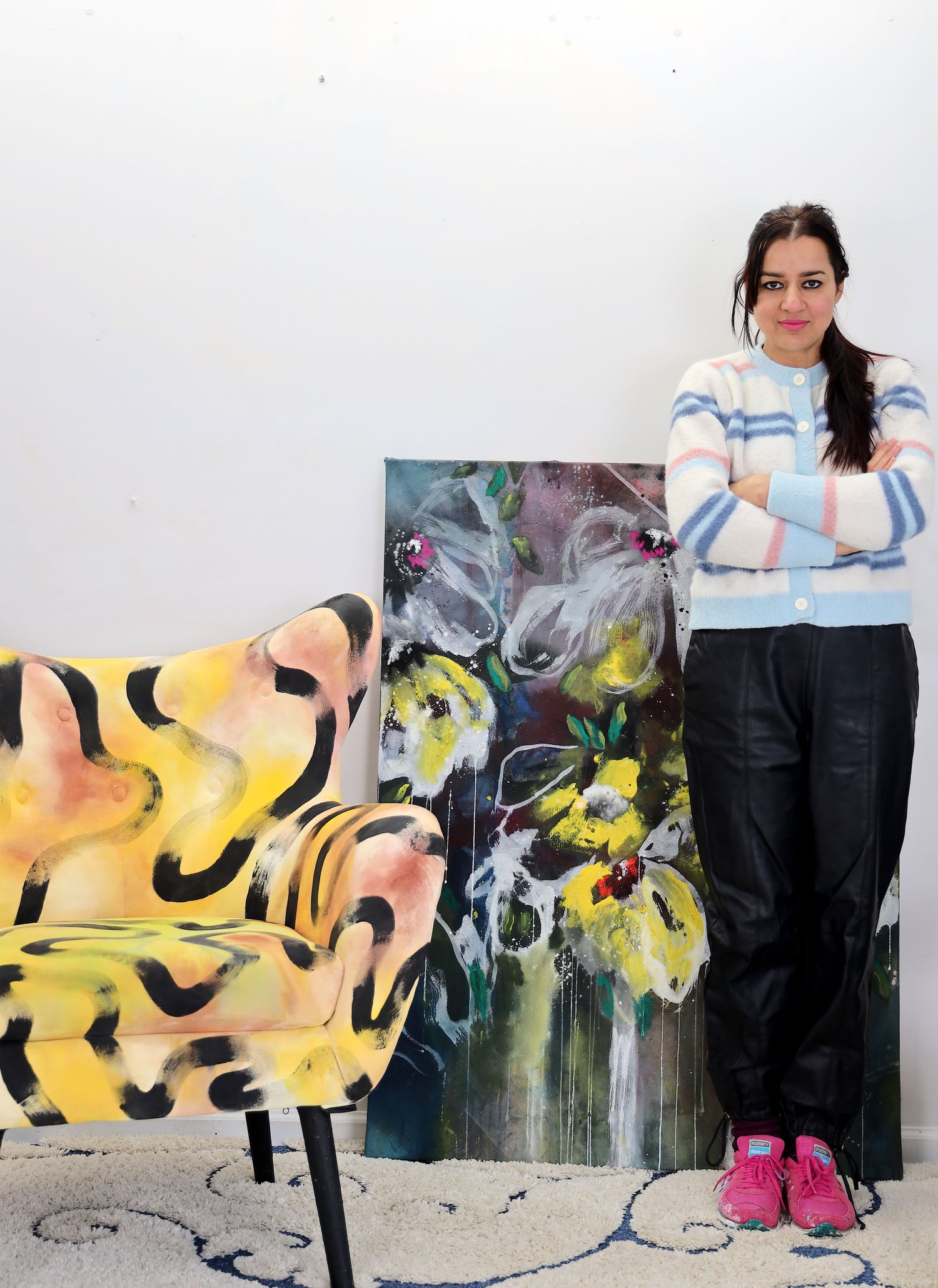
Have other artists inspired your path?
Plenty of artists have influenced me, especially the ones who weren’t afraid of experimentation and trusted their own instincts. I admire artists who create work that feels deeply personal yet universally relatable. Their courage to stay true to their authentic vision, instead of chasing external approval, is something I try to hold onto in my own work.
What is most meaningful to you about being an artist?
The most meaningful part is the connection. Art lets you communicate the emotions and ideas that words can’t express. What keeps me going is my curiosity to keep exploring, learning, and finding new ways to translate human experiences to a visual medium. Every blank canvas gives me the opportunity to find something I didn’t know I was looking for.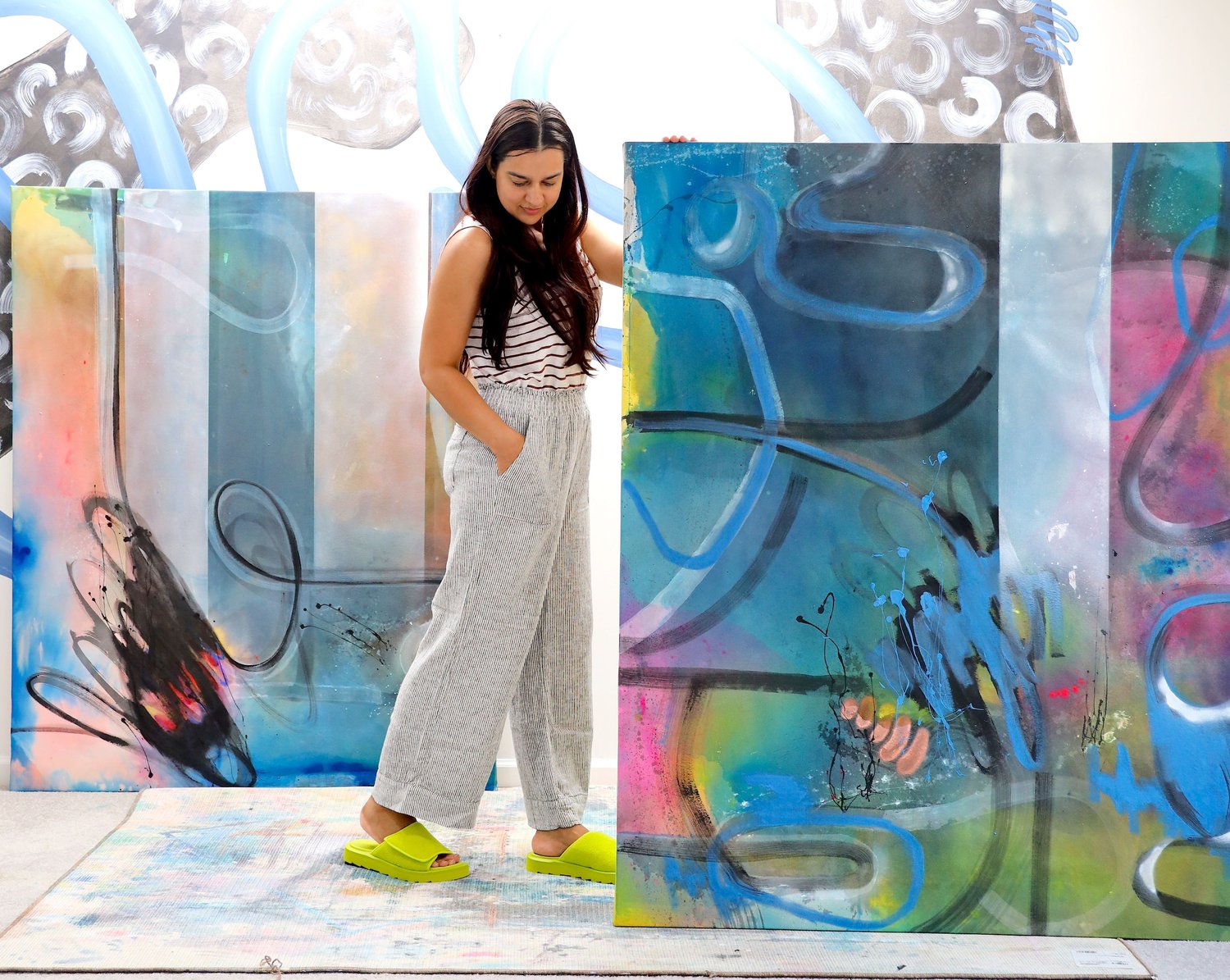
Is there anything else that you feel is important to your story as an artist?
As an artist and a mother, I've learned to let go of the idea that creativity needs perfect conditions. A lot of my paintings were created in the midst of busy family life, balancing my responsibilities while ensuring I have time for the studio.
That taught me that creativity is not about waiting for ideal circumstances. It's about showing up anyway, staying curious, and trusting the process. That’s shaped my work as much as it’s shaped my life.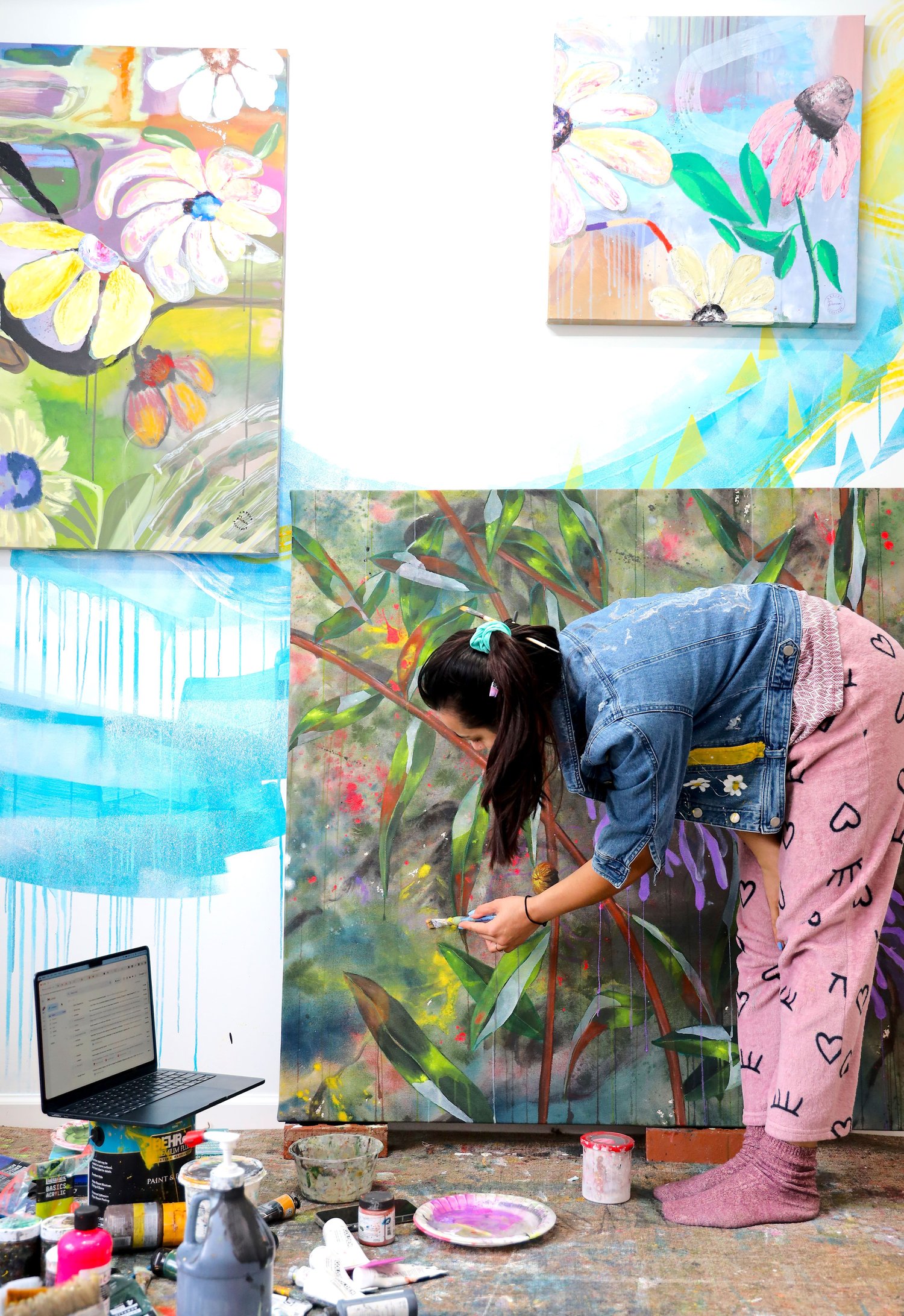
To see more featured TurningArtists, return to our blog. To get Poonam Choudhary's art in your space, set up a free consultation with an Art Advisor here!