The modern healthcare environment is evolving as patient expectations shift and providers rethink the delivery of care. Healthcare design extends far beyond functionality, and as we enter 2026, trends reflect a growing recognition of its influence on patient outcomes, staff well-being, and operational efficiency.
Key priorities include personalized patient environments, robust support for care teams, and adaptable infrastructure. Within each, curated art collections remain a powerful tool for creating spaces that feel welcoming, restorative, and responsive to evolving healthcare needs.
Key Takeaways
-
Staff support and retention through design: Addressing caregiver burnout requires dedicated emotional support spaces that prioritize staff well-being and serve as spaces to recharge.
- Adaptable infrastructure: As facilities age, art leasing and rotation programs provide a cost-effective way to maintain a modern, human-centered environment without the need for major renovations.
- The tech-human balance: While AI streamlines healthcare architecture workflows, human-centered elements such as curated art collections are essential to maintain emotional resonance in high-tech clinical spaces.
Designing for the Patient Experience
Today’s healthcare design strategy recognizes patient experience as a direct measure of quality care. Research indicates that patients who view healthcare facilities positively are more likely to rate their overall care experience favorably, demonstrating that the physical environment directly contributes to satisfaction and confidence in care. Therefore, healthcare organizations are drawing inspiration from the hospitality industry, prioritizing comfortable waiting areas and warm aesthetics that reduce stress while reinforcing institutional identity and strengthening patient loyalty and trust (JLL, 2025).
Effective design also requires infrastructure that supports efficiency and intuitive flow. For example, themed imagery and strategic color palettes can assist with wayfinding, creating recognizable landmarks that help patients and visitors navigate complex facilities with confidence (Xu, 2025).
Beyond navigation, clinical research affirms the role of art as an evidence-based design strategy that enhances clinical outcomes. For example, exposure to biophilic artwork–imagery connected to the natural environment–is proven to reduce stress and anxiety (Xing et al., 2024). Furthermore, familiar imagery tied to local identity helps patients feel connected to their surroundings and provides a positive distraction during treatment. These environmental interventions can support emotional well-being and may contribute to pain management by easing negative emotions (Nicolau, 2024). 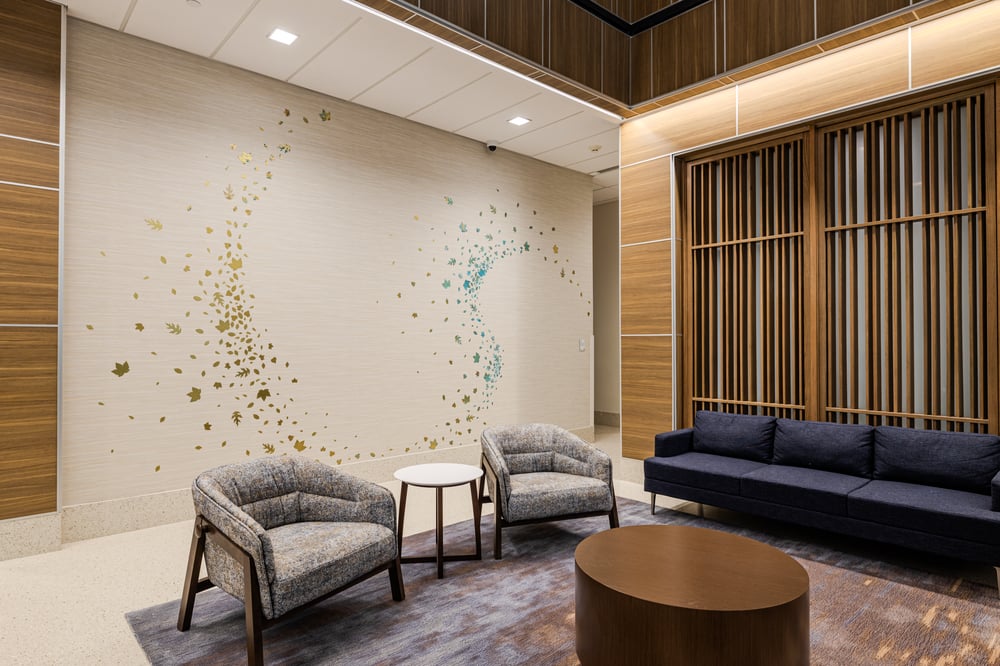
Prioritizing Behavioral Health and Staff Well-Being
In 2026, behavioral health design must address the mental health needs of both patients and caregivers. Industry leaders are investing in strategies such as dedicated emotional support spaces created through participatory design. By incorporating input from patients, families, and staff, designers create inclusive environments that reflect diverse lived experiences and support patient needs (Parker, 2026).
Additionally, healthcare organizations are addressing workforce challenges such as staffing shortages and burnout by prioritizing infrastructure that supports staff experience (Tyson, 2026). Research indicates that spaces dedicated to staff well-being, offering a place for collaboration, focus time, and moments of decompression, contribute to improved job satisfaction, increased retention, and greater effectiveness in caregiving roles (Webb, 2026).
Art is a transformative tool in staff retention. A 2025 study exposed medical residents to visual art and facilitated discussions on the art and the viewing experience. Participants reported that the art exposure prompted them to consider new perspectives, served as an outlet for reflection, and offered a moment of pause from the pace and demand of clinical care. These outcomes contributed to enhanced professionalism and interpersonal skills, which are essential components of high-quality patient care (Musri, 2025).
Flexibility and Adaptable Healthcare Environments
Flexibility and resilience are increasingly considered fundamental principles in healthcare architecture as technology evolves and patient expectations shift. Healthcare facilities must anticipate uncertainty and support long-term adaptability while maintaining operational continuity and a human-centered approach (Webb, 2026).
Patients also associate well-maintained and thoughtfully detailed environments with quality care. Healthcare facilities prioritizing maintenance and aesthetic consistency earned patient trust, even if they were not newly constructed or renovated. In their 2025 Patient Consumer Survey, JLL identified quality of maintenance as one of the top factors impacting patient experience. Additionally, waiting areas and arrival experiences are notably influential in shaping patient perceptions, as they are where visitors make first impressions of a facility.
Art is a unique tool in creating adaptable and thoughtful healthcare environments. Art leasing and rotation programs allow healthcare facilities to refresh spaces over time, remaining culturally relevant and attuned to current trends while maintaining long-term design continuity. Rotating collections also provide opportunities to tailor artwork to evolving patient populations and community demographics, reinforcing healthcare facilities as dynamic and responsive environments. 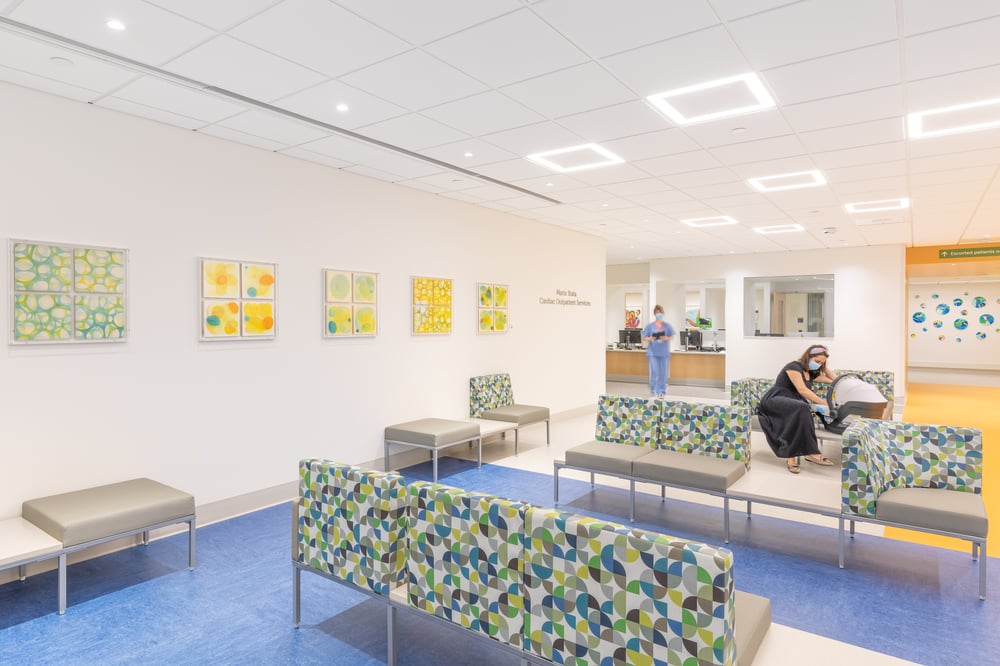
AI and Technology and the Future of Healthcare Design
AI is reshaping healthcare design, improving efficiency, and enabling more collaborative planning processes. Amid concern about automation replacing creative roles, industry leaders emphasize that AI functions most effectively as a tool that supports designers rather than replacing creativity. AI tools allow design teams to visualize concepts before construction begins, streamline workflows, and coordinate projects virtually and more efficiently, which is particularly valuable as healthcare construction and development timelines continue to accelerate (Tyson, 2026).
While technology can enhance design capabilities, human-centered design remains essential. Designers must continue engaging patients, caregivers, and clinical teams to ensure healthcare environments remain resonant and reflective of community identity. Art plays a critical role in maintaining this human connection by introducing emotional resonance and storytelling elements that offer a sense of comfort in spaces increasingly shaped by technology.
How TurningArt Can Help
2026 healthcare design trends prioritize creating environments that prioritize human experience, adaptability, and that grow alongside advancing technology. As healthcare facilities evolve, art remains a vital tool in shaping environments that support healing, foster trust, and strengthen connections between patients, staff, and communities.
At TurningArt, we understand that modern and effective healthcare environments are highly personalized, human-centered spaces that thoughtfully support patients, families, and care teams. Our dedicated team of Art Advisors partners closely with healthcare organizations, architects, and designers to curate an art collection that enhances patient experience, reinforces brand identity, and supports evidence-based care and design strategies. By selecting artwork that aligns with patient demographics, local identity, and organizational goals, we help create welcoming and restorative environments that support operational goals while creating meaningful patient experiences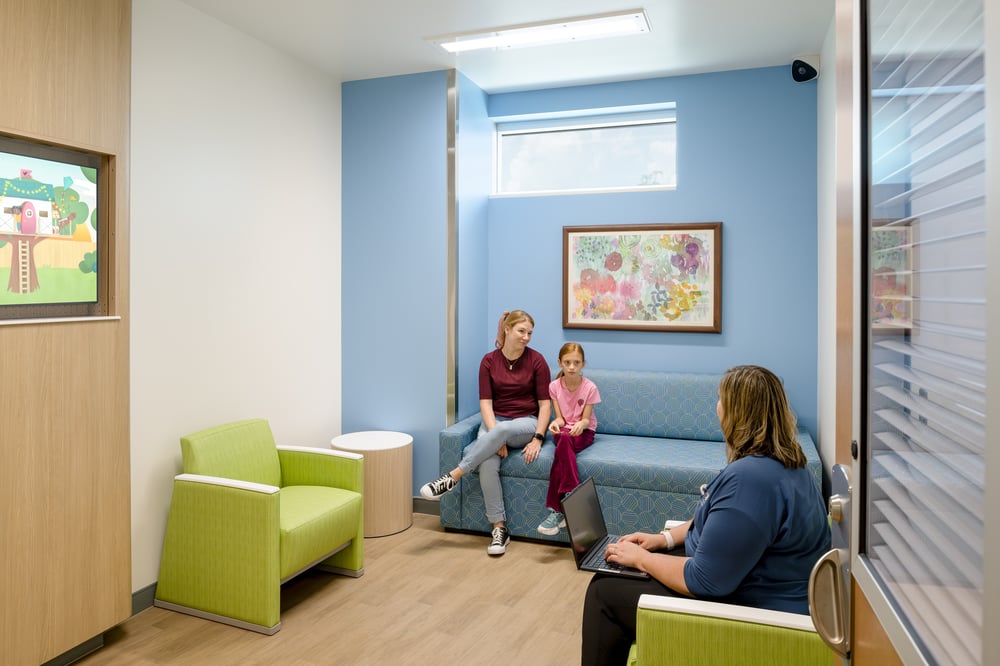 © 2025 Laura Peters/CannonDesign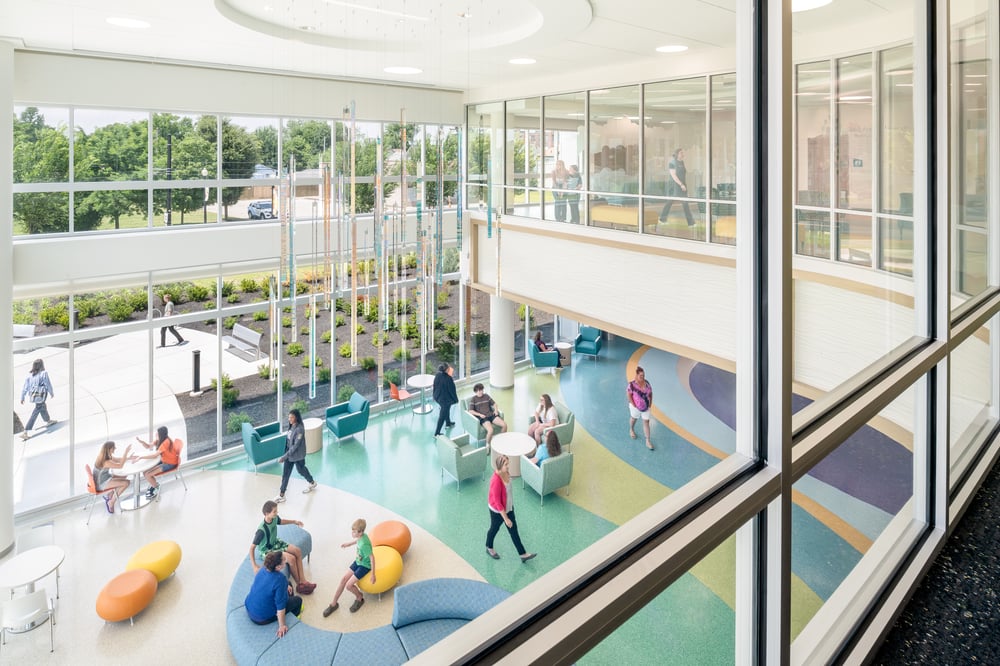
© 2025 Laura Peters/CannonDesign
Connect with an Art Advisor below to learn more!

.jpg?width=332&height=177&name=0046-Interior%20(4).jpg)
.jpg?width=332&height=177&name=_MG_0840%20copy%20(2).jpg)
.jpg?width=332&height=177&name=dtBv_067_DSC_2139_DaNil%20(2).jpg)