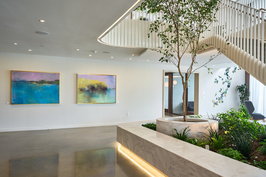
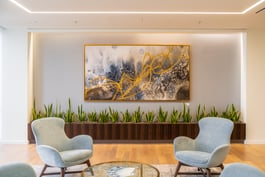
The modern workplace is a dynamic destination, requiring a continuously evolving approach that prioritizes user experience, connection, and character.
The acceleration of remote and hybrid work models over the past five years has demanded a repositioning of the modern office (Myerson and Ross, 2023). The primary challenge for organizations looking to encourage return-to-office policies became designing a space that justified the commute. Additionally, with the rise of hybrid work, the office needed to rival the appeal of working from home. This shift led to the incorporation of high-end amenities such as comfortable lounge spaces, responsive environments, and personalized technology (Wall Street Journal, 2025). Additionally, Activity-Based Flexible Offices (AFO) with open work zones were intentionally designed to promote informal interactions (Chafi et al., 2021) and have begun to dominate the workplace, overtaking the segmented, personal-office model.
Post-pandemic, employees expressed a desire for in-person socializing and a sense of community. This highlighted that providing sufficient opportunities for informal social interaction is critical to counteract the potential isolating effects of remote or even hybrid work (Appel-Neulenbroek, 2023). Additionally, this period also revealed a need for more sensitive, sensory-aware design, as remote work often offered flexible solutions to support mental health (Krieger et al., 2022).
As teams look ahead to 2026, authentic connection, inherent character, and elevated user experience are defining the successful workplace.
1. Designing with Character
Over the past five years, the office has transformed from a stagnant space to one that prioritizes employee experience and effectively communicates brand values. Now, moving into 2026, a significant shift in office design is the workplace’s transition from a “home away from home” to a communication of a brand’s identity and values (Work Design Magazine, 2025). Additionally, sterile, heavily branded designs are giving way to designs infused with character and subtle identity. The move toward experiential design recognizes that a thoughtful environment is an investment in human capital.
Art is a vital tool in this strategy, proven to mitigate negative emotions, enhance cognitive function, stimulate creativity, and build a stronger sense of community. Work Design Magazine’s 2026 design trend forecast reveals that companies are increasingly utilizing strategic art programs to communicate organizational values and foster a unique culture. Thoughtfully chosen and placed artwork can spark connection and promote the informal interactions employees recognize as one of the primary benefits of an office space. Additionally, regionally relevant art can connect employees to the company’s story and establish a sense of place, which is essential in open floor-plan and flexible seating models where employees have less autonomy to bring character to their space.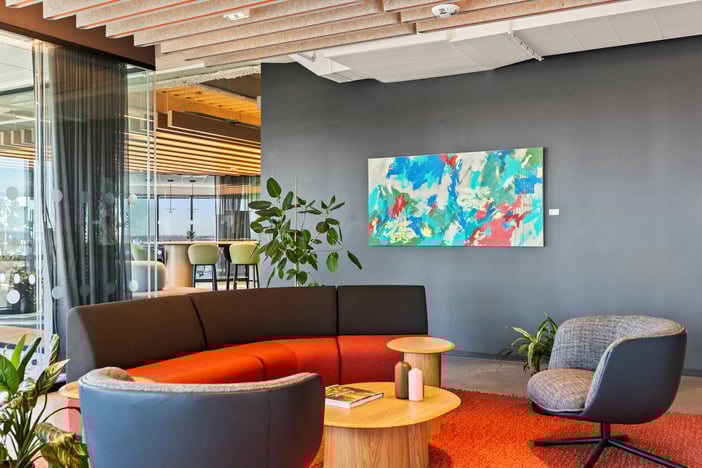
2. Prioritizing Connection
Real estate trends are shifting in conjunction with office design evolutions. Historically, building occupancy was a key metric in determining the performance of an office building. However, as workplaces are being reimagined into experiential hubs, occupancy metrics are giving way to dynamic evaluations of how a building affects its users. Success hinges on human connection as workplaces and office buildings adopt hospitality-inspired layouts and decor. Gensler’s 2026 workplace design trends even suggest that spaces that don’t foster community and prioritize wellbeing are "irrelevant" in today’s landscape. Art is a key instrument in defining these social anchors, providing conversation starters and emotional focal points that subtly blur the line between an office setting and a welcoming, innovative hub (RI Workplace, 2025).
3. Contextualized Design
The modern office is moving away from a universal approach with standardized layouts and decor. Instead, successful modern offices are leveraging elements of corporate identity, including location and brand values, to create workplaces that are contextualized and resonant. This shift requires design to appeal to individuality and reflect the unique culture of the surrounding community. Integrating art from local artists or with imagery that reflects local surroundings can achieve these goals while sparking dialogue and encouraging connections within the workplace (Gensler, 2025).
Additionally, as the office is repositioned as a collaborative and dynamic space, unassigned seating models are growing in popularity. While this means there is a lack of individual personalization at the desk level, it is compensated for by creating vibrant, shared environments. Designers must utilize communal areas to express personality, incorporating strategically curated art, books, and objects to create moments of individual connection and ensure the space appeals to the diverse identities of the workforce (Work Design Magazine, 2025). Selecting artwork that has local relevance, evokes positive emotions, or represents company culture is an effective means of creating a level of personalization and humanization in a corporate space. 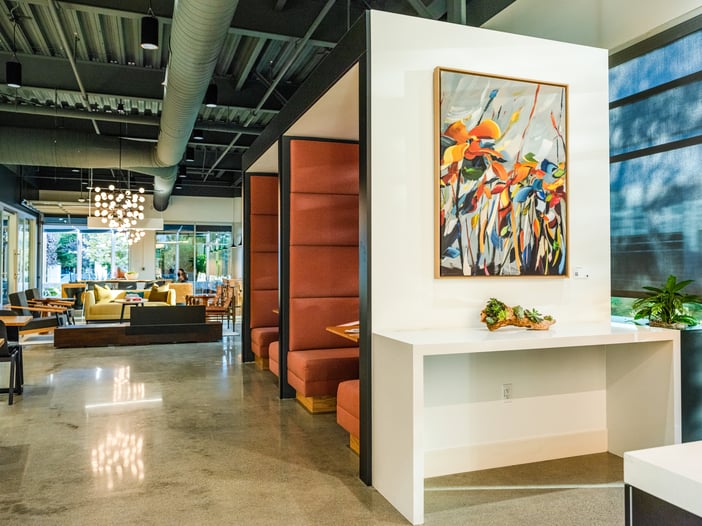
4. Elevated Biophilic and Sensory Wellness
Wellness has moved beyond an optional perk or even a competitive advantage; it is now an essential design principle and a core business strategy for a resilient workplace (Gensler, 2025). The office must support physical well-being, cognitive vitality, and diverse workforce needs through flexible and multisensory experiences.
Dedicated restorative zones such as quiet pods, meditation rooms, or lounge spaces can encourage moments of pause that ultimately impact employee productivity and well-being. These areas should be designed to promote moments of calm and reflection and can benefit from intentional artwork that supports cognitive strain (Fayyad et al., 2024).
Biophilic design is fundamental to this wellness focus. The future of biophilic design in the workplace extends beyond placing plants in the office. 2026 will prioritize holistic integration of the natural world through textures, organic shapes, and adaptive lighting that mimics circadian rhythms (RI Workplace, 2025). Art can serve as a crucial biophilic design integration, providing abstract or literal connections to nature, especially in spaces where natural light is limited or organic additions, such as plants, may be impractical.
How TurningArt Can Help
The 2026 design forecasts reveal an exciting continued movement toward embracing a more human office experience. These evolving trends emphasize depth, customization, and well-being, positioning art as an essential tool for creating a unique, experiential workplace. At TurningArt, we offer a dynamic artwork solution that integrates character, connection, and wellness directly into the built environment.
Our strategic art programs directly invest in the workplace’s ability to stimulate creativity and engagement. Additionally, our art advisors work closely with your team to curate artwork that speaks to your company’s unique mission and community. Each piece in the collection is carefully selected and placed to build a stronger internal culture, communicate organizational values, and ensure a more human-centric and appealing environment for employees. 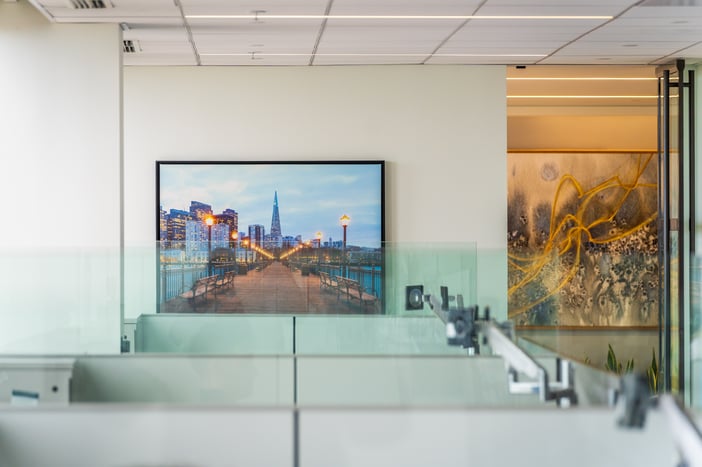
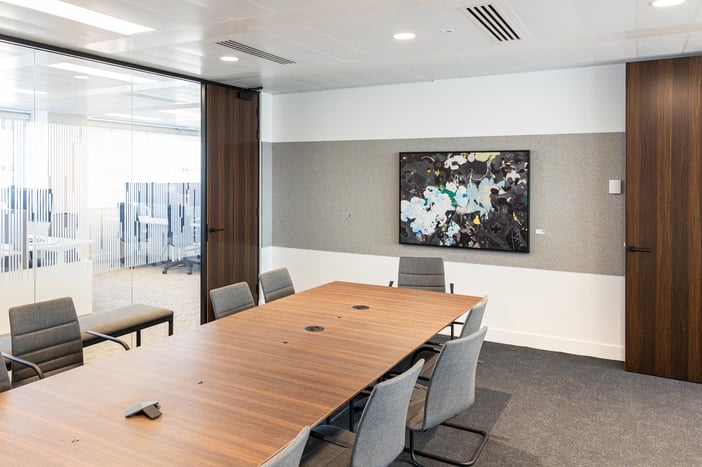
Connect with an Art Advisor below to learn more!

.jpg?width=332&height=177&name=_MG_0840%20copy%20(2).jpg)
.jpg?width=332&height=177&name=dtBv_067_DSC_2139_DaNil%20(2).jpg)
.jpg?width=332&height=177&name=0046-Interior%20(4).jpg)