When architects and interior designers plan commercial projects, artwork often enters the conversation late. Floor plans are finalized, lighting is specified, and budgets are nearly exhausted before anyone considers what will occupy those carefully designed walls. This reactive approach misses a significant opportunity. TurningArt partners with architects and interior designers to integrate custom artwork from the earliest design phases, ensuring that art functions as a core element of the built environment rather than a last-minute addition.
Art consulting for architects involves far more than selecting frames to fill empty walls. The process requires understanding spatial flow, material palettes, brand identity, and occupant experience. This guide covers everything you need to know about working with art consultants on commercial projects, from initial planning through installation and rotation.
Key Takeaways: Art Consulting for Architects in 2026
- Art consultants should join project teams during early design phases to inform spatial planning and budget allocation decisions.
- Custom artwork commissions respond directly to architectural intent, creating cohesive environments where art and design speak the same language.
- TurningArt offers turnkey art programming that handles curation, installation, and rotation for architects managing commercial projects nationwide.
- Research shows that enriching workplaces with art can raise productivity by up to 17%, and engaging workers in art selection can increase it by 32%.
- Art rotation programs allow commercial environments to remain dynamic without requiring permanent capital investment in fixed collections.
What Is Art Consulting for Architects and Interior Designers?
Art consulting for architects is a specialized service that bridges the gap between design vision and artwork execution. Art consultants work alongside architects and interior designers to select, commission, and install artwork that aligns with project goals, spatial requirements, and client budgets.
The role differs from traditional art advisory services focused on collectors. When working with architects, art consultants analyze floor plans, assess lighting conditions, consider material palettes, and understand the intended use of each environment. They translate these architectural elements into artwork strategies that enhance rather than compete with design intent.
According to research from Art Pharmacy, when art consultants are involved from the start of a project, they can help shape the artistic identity of a space before design decisions become fixed. This early integration ensures that site specifications are decided with artwork in mind.
Why Should Art Consultants Join Projects Early?
The most impactful art collections begin at the start of a project rather than the end. When curators are consulted after architecture, interiors, and fit-out decisions have been locked in, key opportunities are lost along the way.
Budget Allocation Benefits
Budget can be more strategically allocated when art is considered from the outset rather than treated as a final line item. Early involvement allows art consultants to recommend where custom commissions will have the greatest impact and where cost-effective alternatives can serve secondary locations.
Art consultants who join during initial planning can also identify opportunities for site-specific commissions that respond to architectural features. A stairwell, lobby entrance, or high-visibility corridor might warrant original commissioned work, while adjacent hallways could feature rotated prints from an existing catalog.
Spatial Planning Coordination
Early collaboration enables art consultants to inform spatial planning decisions. They can suggest wall dimensions, lighting solutions, and electrical placement that will enhance both architecture and artwork. This coordination prevents situations where a carefully selected sculpture arrives only to find inadequate structural support or improper lighting angles.
At TurningArt, Art Advisors begin by understanding the intent and values of a location, asking who will use the environment, what the organization stands for, and what kind of experience the building should create. Through conversations with architects about materiality, scale, and spatial flow, the team identifies how and where art can be integrated into the project.
How Do Art Consultants Work with Architects?
The collaboration between art consultants and architects follows a structured process designed to ensure artwork aligns with design intent. Understanding this workflow helps architects and interior designers know what to expect when engaging an art consultant.
Initial Consultation and Discovery
The process begins with a discovery phase where art consultants review architectural drawings, material specifications, and project briefs. They meet with architects and interior designers to understand the narrative the environment should communicate. This includes discussing the target audience, brand identity of the occupying organization, and any cultural or regional considerations.
Art consultants also assess practical constraints during this phase. They identify load-bearing walls that can support heavy sculptures, note natural light conditions that might affect artwork placement, and understand climate control systems that will protect sensitive pieces.
Art Strategy Development
Following discovery, art consultants develop a comprehensive art strategy document. This document outlines recommended artwork locations, suggested mediums for each location, preliminary budget allocations, and a timeline that aligns with construction milestones.
The strategy addresses questions such as: Which environments require original commissions versus catalog selections? Where should locally sourced artwork reflect community identity? What rotation schedule will keep the collection dynamic for returning occupants?
Curation and Selection
With an approved strategy, art consultants begin curating specific artwork options. They leverage relationships with artists, galleries, and private collections to identify pieces that match project requirements. TurningArt maintains an online catalog of over 100,000 artworks and a network of more than 4,000 local artists nationwide, allowing Art Advisors to present concept-driven options efficiently.
Many art consultants use digital presentation tools that allow architects and clients to visualize artwork in rendered environments. Custom voting software enables project stakeholders to participate in final selections without requiring multiple in-person meetings.
Commissioning and Procurement
For custom commissions, art consultants manage the artist relationship from brief development through final delivery. They coordinate with artists on scale, materials, color palette, and installation requirements. This project management function ensures that commissioned work arrives on schedule and meets architectural specifications.
Procurement of existing artwork involves authentication, condition reporting, and price negotiation. Art consultants leverage their market knowledge and established relationships to secure favorable terms for their clients.
Installation and Ongoing Curation
Professional installation ensures that valuable artwork is properly secured and displayed to maximum advantage. Art consultants coordinate with construction teams to align installation timing with project schedules. They oversee everything from delivery logistics to final placement, including mounting hardware, lighting adjustments, and protective measures.
For clients who select rotating art programs, ongoing curation keeps collections fresh and aligned with evolving organizational needs. TurningArt offers annual rotation programs that maintain dynamic environments for diverse tenant and visitor populations.
What Types of Commercial Projects Benefit from Art Consulting?
Art consulting services add value across virtually every commercial building type. The specific approach varies based on occupant needs, environmental requirements, and project goals.
Corporate Offices and Headquarters
Corporate environments use art to reinforce brand identity, enhance employee experience, and create welcoming environments for clients and visitors. Research from the Art of the Workplace Report commissioned by Brookfield Properties found that enriching a workspace with art raises productivity by up to 17%, and engaging workers in art selection can increase productivity by up to 32%.
The same research found that 69% of adults believe having interesting and visually attractive artworks in the office positively impacts their wellbeing. For architects designing corporate environments, these findings make a strong business case for integrating thoughtful art programming into project scope.
Healthcare Facilities
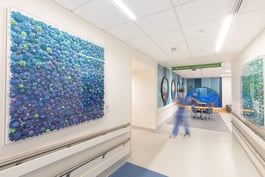
Healthcare environments present unique requirements for art integration. Artwork in hospitals and medical facilities must support healing, reduce stress, and create positive atmospheres for patients, families, and staff. Art consultants working in healthcare understand evidence-based design principles and select artwork that contributes to therapeutic outcomes.
Material considerations are particularly important in healthcare settings. Artwork must meet infection control standards, allow for easy cleaning, and avoid materials that could trigger allergies or sensitivities. Art consultants coordinate with healthcare facility planners to ensure all selections meet regulatory requirements.
Hospitality and Hotels
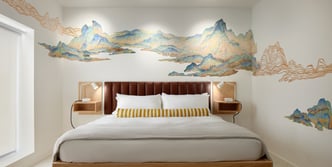
Hotels and hospitality venues rely on distinctive artwork to create memorable guest experiences. Art becomes part of the overall brand story, differentiating properties in competitive markets. Art consultants working on hospitality projects often integrate local artists and regional themes that connect guests to their destination.
The scale of hospitality projects can be substantial, with large resorts requiring hundreds of individual pieces across guest rooms, public areas, restaurants, and meeting environments. Art consultants manage the logistical complexity of these projects, ensuring consistent quality and timely delivery across all locations.
Mixed-Use Developments and Real Estate
Commercial real estate developers increasingly recognize art as a strategic amenity that attracts tenants and enhances property values. Art programs in lobbies, common areas, and outdoor environments contribute to placemaking efforts that differentiate developments in competitive markets.
For multi-tenant buildings, art consultants develop programs that appeal to diverse occupants while maintaining cohesive visual identity. Rotating collections allow property managers to keep common areas fresh without committing to permanent installations that may not suit future tenants.
Educational and Cultural Institutions
Schools, universities, museums, and cultural organizations integrate art into their environments and missions. These institutions seek curated artwork that aligns with educational and cultural values while engaging students, faculty, and visitors.
Art consultants working with educational clients often incorporate artist storytelling and educational programming alongside artwork installation. These elements transform static collections into dynamic learning resources that extend the educational mission throughout the physical environment.
How Do Art Consultants Differentiate from Art Advisors?
The terms "art consultant" and "art advisor" are sometimes used interchangeably, but they often represent different service models and areas of expertise. Understanding these distinctions helps architects choose the most appropriate partner for their project needs.
Art Consultants Focus on Environments
Art consultants typically specialize in selecting and placing artwork within built environments. Their expertise centers on how art functions within architectural contexts, including spatial relationships, lighting conditions, and occupant experience. They work primarily with corporate, institutional, and commercial clients who need artwork for physical locations.
The operational focus of art consultants often includes logistics management, installation coordination, and ongoing collection maintenance. They handle the practical aspects of getting artwork from artists or galleries into client environments.
Art Advisors Focus on Collections
Art advisors traditionally focus on the strategic aspects of art acquisition and investment. They advise private collectors and institutions on building collections that have cultural significance and financial appreciation potential. Their expertise includes market analysis, authentication, and navigating the art world ecosystem of galleries, dealers, and auction houses.
Some firms combine both functions, offering environmental consulting alongside collection advisory services. When evaluating potential partners, architects should clarify whether a firm has experience with commercial architectural projects or focuses primarily on private collection development.
What Fee Structures Do Art Consultants Use?
Art consulting firms operate on various fee models, and understanding these structures helps architects budget appropriately and set clear expectations with clients.
Commission-Based Fees
Many art consultants charge a percentage of artwork purchase prices, typically between 5% and 20%. As artwork values increase, commission percentages often decrease. This model aligns consultant incentives with securing quality artwork at fair market prices.
Flat Fee and Project-Based Pricing
Some firms offer flat fees for curation services regardless of artwork value. These fees cover the advisory process, including research, recommendations, and coordination. Project-based pricing works well for architects who need predictable costs for client budgeting.
Hourly and Retainer Arrangements
For ongoing collection management or long-term projects, hourly rates or retainer arrangements may be appropriate. These structures work well when project scope is uncertain or when clients need flexible access to consulting services over extended periods.
Comprehensive Package Pricing
Larger projects often warrant comprehensive packages that cover both consulting fees and artwork costs. This approach simplifies budgeting and provides a single point of accountability for the entire art program. TurningArt offers flexible pricing and product combinations including image licensure, prints, and original artwork to match varied project requirements.
What Are the Benefits of Art Rotation Programs?
Art rotation programs allow organizations to display curated collections without the capital commitment of permanent acquisitions. This model offers several advantages for commercial environments.
Dynamic Environments Without Permanent Investment
Rotation programs keep environments fresh for regular occupants while providing variety for returning visitors. This is particularly valuable in corporate offices where employees see the same environments daily, and in hospitality settings where repeat guests appreciate changing visual experiences.
From a financial perspective, rotation programs convert art from a capital expense to an operating expense. Organizations can access higher-quality artwork than they might purchase outright, with the flexibility to change direction as organizational needs evolve.
Flexibility for Evolving Needs
As organizations grow, rebrand, or shift strategic direction, their art collections should evolve accordingly. Rotation programs allow art to change alongside organizational identity without the burden of selling or donating fixed collections.
TurningArt provides different organizations with a vast collection of contemporary artwork that can either be purchased or rented on a rotating basis, consistently engaging present and potential visitors, clients, and tenants.
Support for Local Artist Communities
Many rotation programs prioritize local artists, creating ongoing revenue streams for working artists in client communities. This approach builds authentic local connections while supporting the creative economy that contributes to regional vitality.
How Do You Select an Art Consultant for Your Project?
Choosing the right art consultant partner requires evaluating several factors beyond portfolio aesthetics. The following criteria help architects identify consultants who will collaborate effectively on commercial projects.
Experience with Similar Project Types
Art consulting expertise varies by building type and client category. A consultant with extensive healthcare experience may not be the best fit for a hospitality project, and vice versa. Request case studies or references from projects similar in scale, type, and complexity to your current work.
Geographic Reach and Artist Network
For multi-location projects or those requiring local artist representation, evaluate the consultant's geographic capabilities. Some consultants focus on specific regions, while others maintain national or international networks. TurningArt maintains access to artwork from over 2,500 local artists nationwide, enabling locally relevant collections regardless of project location.
Service Scope and Logistics Capabilities
Clarify what services are included in the engagement. Does the consultant handle framing, shipping, and installation, or are these separate arrangements? For complex projects, turnkey service models that manage all logistics from curation through installation reduce coordination burden on architectural teams.
Technology and Collaboration Tools
Modern art consultants use digital tools that streamline collaboration with architects and clients. Online catalogs, digital rendering capabilities, and voting software enable efficient decision-making without requiring extensive in-person meetings. These tools are particularly valuable when project stakeholders are distributed across multiple locations.
Ongoing Support and Collection Management
Consider whether you need a consultant for a single project or an ongoing relationship. Some projects benefit from continued collection management, including condition monitoring, insurance documentation, and rotation scheduling. Clarify these ongoing service options during consultant selection.
What Should Architects Include in Art Consultant RFPs?
When issuing requests for proposals to art consultants, include information that enables accurate scoping and relevant case study selection.
Project Scope and Timeline
Describe the project type, square footage, and number of locations requiring artwork. Include the construction timeline and identify when artwork installation must be complete. Note any phasing requirements that affect art delivery schedules.
Budget Parameters
Art consultants need budget guidance to recommend appropriate solutions. If the budget is undefined, indicate whether the project is oriented toward cost-efficiency or premium custom commissions. This information helps consultants propose relevant options rather than misaligned recommendations.
Design Intent and Brand Context
Share architectural drawings, material palettes, and any brand guidelines that will inform artwork selection. Describe the intended occupant experience and any specific themes or cultural considerations the art program should address.
Service Requirements
Specify which services you need: curation only, curation plus installation, or full turnkey management including rotation. Indicate whether you prefer purchase, lease, or commission models, or want the consultant to recommend the optimal approach.
Selection Criteria
Communicate how you will evaluate proposals. If relevant experience with specific building types is essential, state that requirement. If budget efficiency is the primary driver, indicate that priority so consultants can propose accordingly.
How Does Site-Specific Art Commissioning Work?
Site-specific commissions create artwork designed exclusively for particular locations. This approach produces pieces that respond directly to architectural context, creating integrated environments that catalog artwork cannot replicate.
The Commissioning Process
Site-specific commissions begin with detailed briefs that communicate architectural intent, spatial constraints, material requirements, and conceptual direction. Art consultants identify artists whose practice aligns with project needs and manage the selection process through portfolio review and artist interviews.
Once an artist is selected, the commissioning process involves concept development, design approval, fabrication oversight, and installation coordination. Art consultants manage this multi-month process, serving as the communication bridge between architects, clients, and artists.
Responding to Architectural Context
The most successful site-specific commissions respond meaningfully to their architectural surroundings. A sculpture designed for a specific lobby entrance considers sight lines, traffic patterns, and adjacent materials. A wall-mounted installation for a particular conference room responds to natural light conditions and viewing distances.
TurningArt coordinates with their network of over 3,000 contemporary artists to create unique, tailored pieces designed specifically for client environments and requirements. This capability enables architects to offer clients artwork that cannot be found elsewhere.
Managing Complexity and Risk
Site-specific commissions involve more complexity and longer timelines than catalog selections. Art consultants mitigate project risks through phased approval processes, detailed contracts that specify deliverables and deadlines, and contingency planning for fabrication challenges.
For architects unfamiliar with commissioning processes, working with experienced art consultants reduces the learning curve and ensures professional management of artist relationships.
What Trends Are Shaping Art Consulting in 2026?
Several developments are influencing how art consultants work with architects and interior designers on commercial projects.
Evidence-Based Design Integration
The connection between environmental design and human wellbeing continues gaining recognition. Art consultants increasingly reference research on how visual environments affect stress, productivity, and healing. This evidence-based approach helps justify art investment through measurable outcomes rather than purely aesthetic arguments.
Local Artist Prioritization
Clients increasingly request artwork from local artists that reflects regional identity and supports community creative economies. This trend aligns with broader movements toward authentic placemaking and corporate social responsibility. Art consultants are building deeper regional artist networks to meet this demand.
Technology-Enabled Collaboration
Digital tools continue streamlining art consulting workflows. Virtual reality previews allow stakeholders to experience proposed artwork within architectural contexts before committing to selections. Online voting platforms democratize selection processes, engaging broader stakeholder groups in final decisions.
Sustainability Considerations
Environmental sustainability is entering art consulting conversations. Clients ask about materials sourcing, shipping carbon footprints, and end-of-life considerations for artwork. Art consultants are developing frameworks to address these concerns while maintaining artistic quality.
In Conclusion: How Art Consulting Elevates Commercial Architecture
Art consulting transforms how architects and interior designers approach artwork integration in commercial projects. By engaging art consultants early in the design process, project teams create environments where architecture and art speak the same language.
The benefits extend beyond aesthetics. Research demonstrates measurable impacts on productivity, wellbeing, and occupant satisfaction. Thoughtful art programs contribute to brand identity, support local artist communities, and differentiate environments in competitive markets.
For architects and interior designers managing commercial projects, partnering with experienced art consultants like TurningArt ensures that artwork receives the same level of professional attention as every other project element. Turnkey services that handle curation, installation, and rotation allow design professionals to focus on their core expertise while confident that art integration will enhance their architectural vision.
Connect with an Art Advisor to learn more about how TurningArt supports architects and interior designers with custom artwork integration for commercial environments.
FAQs about Art Consulting for Architects in 2026
When should architects involve an art consultant in a project?
Art consultants should join project teams as early as possible, ideally during schematic design. Early involvement allows art consultants to inform spatial planning, lighting design, and budget allocation. TurningArt Art Advisors collaborate with architects from initial discovery through final installation, ensuring artwork aligns with architectural intent.
How much do art consulting services cost for commercial projects?
Art consulting fees vary based on service scope and project complexity. Commission-based models typically charge 5-20% of artwork value. Flat fee and project-based pricing offer predictable budgeting. TurningArt offers flexible pricing structures including hourly rates, project fees, and comprehensive packages that combine consulting and artwork costs.
What is the difference between art consultants and art advisors?
Art consultants typically focus on selecting and placing artwork within built environments, managing logistics, and coordinating installations. Art advisors traditionally focus on collection building and art investment strategy for private collectors. TurningArt combines both capabilities, offering environmental consulting and collection development services for commercial clients.
Can art consultants work on projects outside major metropolitan areas?
Established art consultants maintain networks that serve clients nationwide. TurningArt provides turnkey art programming across the country, with access to over 2,500 local artists who can contribute regionally relevant artwork regardless of project location. Remote collaboration tools enable effective coordination with architects in any market.
What are the benefits of art rotation programs for commercial buildings?
Rotation programs keep environments dynamic without permanent capital investment. They convert art from a capital expense to an operating expense, allow flexibility as organizational needs evolve, and provide access to higher-quality artwork than many organizations could purchase outright. TurningArt offers annual rotation programs that maintain fresh collections for diverse occupant populations.
How do art consultants source artwork for commercial projects?
Art consultants leverage relationships with artists, galleries, and collections to identify appropriate pieces. They use digital catalogs and presentation tools to efficiently present options to architects and clients. TurningArt maintains an online catalog of over 50,000 artworks and uses custom voting software to involve project stakeholders in final selections.
.jpg?width=332&height=177&name=0046-Interior%20(4).jpg)
.jpg?width=332&height=177&name=_MG_0840%20copy%20(2).jpg)
.jpg?width=332&height=177&name=dtBv_067_DSC_2139_DaNil%20(2).jpg)