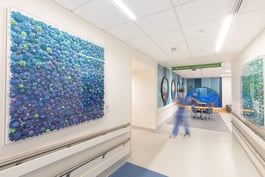
As healthcare design evolves in 2026, hospital leaders are turning to artwork procurement as a proven, measurable way to support patient healing. A 2025 research review from PLOS One analyzed 68 publications and found that visual arts in hospitals reduced heart rates, improved reported mental health outcomes, and gave patients meaningful moments of positive distraction across a range of clinical settings. For facility administrators and design leaders, partnering with a team that knows how to procure, commission, and install artwork strategically is becoming a core part of building spaces that truly support healing.
TurningArt helps healthcare organizations navigate the complexity of art procurement with the help of dedicated Art Advisors who combine evidence-based design principles with turnkey installation services. This guide covers everything from building an artwork procurement strategy to managing installation logistics in clinical environments.
Key Takeaways: Hospital Artwork Procurement for Healing Spaces
- Hospital artwork procurement involves four phases: consultation, art curation, procurement logistics, and installation.
- Evidence-based art selection incorporates natural imagery and calming abstracts proven to reduce patient anxiety and stress hormone levels.
- TurningArt assigns dedicated Art Advisors who manage the entire process from initial consultation through ongoing collection maintenance.
- Art rotation programs allow healthcare facilities to refresh environments without the high upfront costs of permanent collections.
.jpg?width=4897&height=3264&name=Final_BCH_32%20(1).jpg)
What Is Evidence-Based Art Selection for Healthcare Environments?
Evidence-based art selection applies research findings from neuroaesthetics and environmental psychology to guide artwork choices in clinical settings. Rather than selecting pieces based on aesthetic preference alone, this approach evaluates artwork against therapeutic goals and patient population needs.
A comprehensive review by The Center for Health Design demonstrates that patients in rooms with nature-based artwork report lower anxiety levels and require less pain medication. Nature-inspired imagery, including landscapes, botanicals, and water scenes, has been shown to activate the parasympathetic nervous system and produce measurable reductions in cortisol levels.
The field of neuroaesthetics reveals that the brain does not separate information from the physical environment. This means artwork functions as infrastructure that influences patient behavior, staff performance, and visitor perceptions throughout healthcare facilities.
Why Does Artwork Matter in Healthcare Settings?
The evidence connecting visual art to patient outcomes continues to grow. According to a research review examining 68 publications, viewing visual artwork in healthcare settings contributes to well-being for patients, staff, and visitors in meaningful ways.
Impact on Patient Outcomes
Patients who view artwork in clinical environments experience reduced heart rates, improved mental health outcomes, and positive distractions from anxiety and discomfort. One study from this review found that pediatric patients viewing nature-based imagery showed significant reductions in physiological stress markers.
Art provides patients with cognitive engagement during waiting periods and moments of recovery. The visual environment is a powerful tool for emotional regulation, offering moments of calm in otherwise stressful circumstances.
Impact on Healthcare Staff
Staff outcomes from viewing visual art include increased well-being, stronger workplace belonging, and enhanced capacity to prioritize patient needs. Given the ongoing challenges of burnout in healthcare settings, environmental interventions that support staff experience have gained importance among facility leaders.
Healthcare workers spend more time in clinical environments than any other population. Art programs that consider staff perspectives in addition to patients and their families create spaces where employees feel valued and connected to their workplace.
Impact on Visitors and Families
Family members and visitors report improved experiences in healthcare environments that incorporate thoughtful visual art programs. The presence of artwork influences perceptions of care quality and creates a more welcoming atmosphere during challenging circumstances.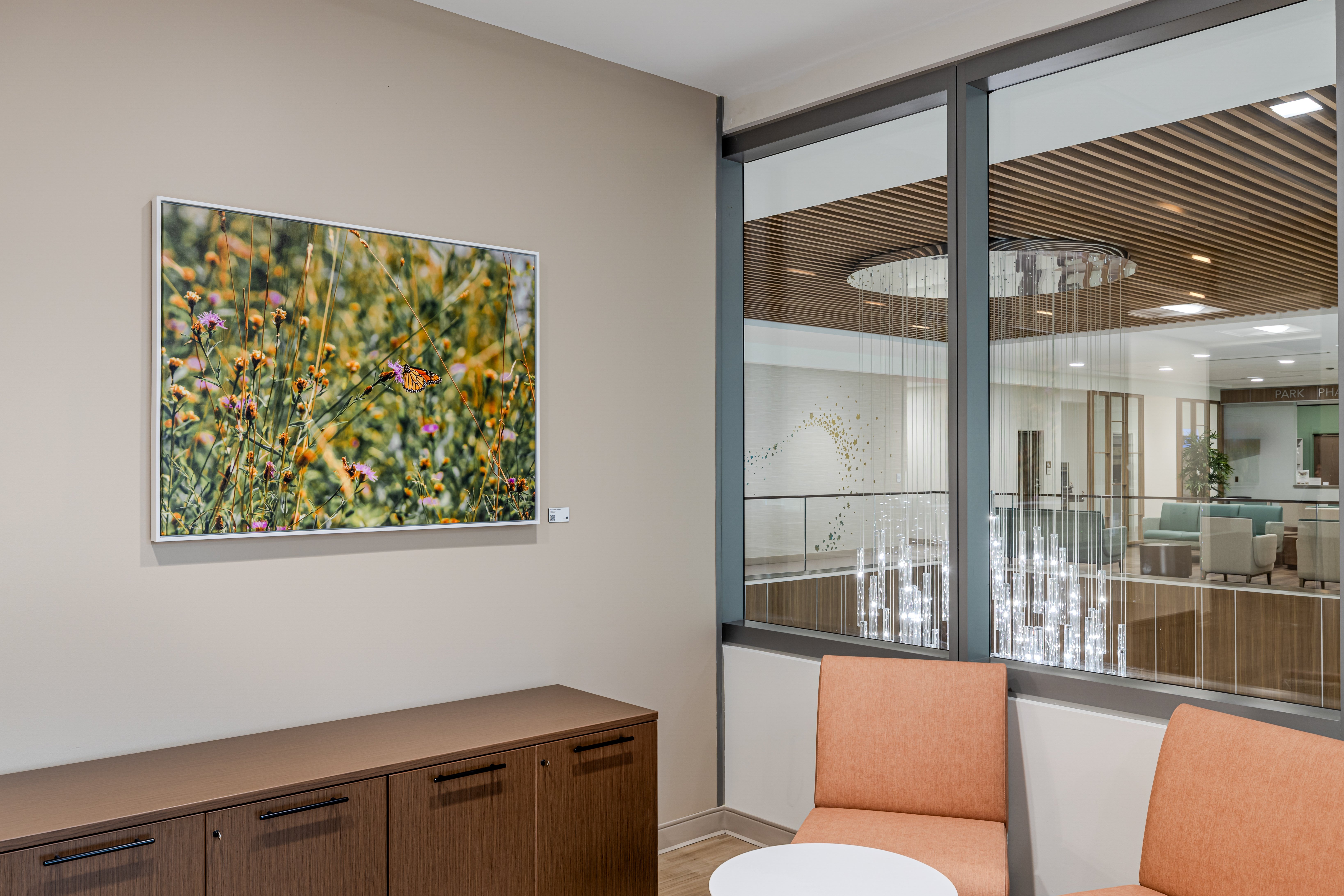
How to Develop a Hospital Artwork Procurement Strategy
Developing an artwork procurement strategy requires careful consideration of clinical requirements, patient populations, and organizational goals. The process typically unfolds in four phases that build upon each other.
Phase 1: Needs Assessment and Discovery Consultation
Begin by understanding the specific care environments, patient demographics, and design objectives for each area requiring artwork. Review architectural plans, existing interiors, and any brand or regulatory guidelines before making recommendations.
Consider questions such as: What patient populations will view this artwork? What therapeutic goals should the art support? What infection control requirements apply to this space? Art Advisors at TurningArt conduct discovery consultations to understand these factors before proposing any artwork.
Phase 2: Evidence-Based Curation
Source artwork aligned with therapeutic goals and clinical evidence. Nature-inspired works, calming abstracts, and uplifting imagery have demonstrated positive effects in research settings. Avoid overstimulating content or imagery that could trigger anxiety in patients.
Different clinical settings require different approaches. Acute care environments benefit from calming landscapes, while pediatric areas may incorporate more playful imagery. Behavioral health settings require careful consideration of content that supports regulation without overstimulation.
Phase 3: Procurement and Logistics
Procurement involves sourcing artwork within budget parameters, negotiating rights and licensing where applicable, and managing framing and shipping logistics. Healthcare-appropriate framing materials must meet infection control standards and durability requirements for high-traffic clinical environments.
TurningArt offers access to a catalog of over 50,000 pieces of art and coordinates with a network of more than 2,500 local artists nationwide. This allows facilities to source artwork that reflects local community identity while meeting the specifications of their unique environment.
Phase 4: Compliant Installation
Installation teams experienced in healthcare environments work around clinical schedules to minimize disruption to staff and patients. Every piece must be installed with appropriate hardware, documented for condition, and positioned to support wayfinding and patient orientation.
Post-installation, establish maintenance protocols to keep artwork clean, secure, and in appropriate condition. Regular assessment ensures the collection continues serving its therapeutic purpose.
What Types of Artwork Work Best in Different Healthcare Settings?
The needs of a busy hospital lobby differ significantly from those of a behavioral health unit, pediatric ward, or senior memory care community. Effective procurement accounts for the specific population being served in each environment.
Acute Care Hospitals and Emergency Departments
Focus on artwork that reduces anxiety and provides a calming counterpoint to stressful clinical activities. Nature imagery, soft color palettes, and abstract works without sharp contrasts perform well in these high-stress environments.
Avoid content that depicts medical procedures, illness, or anything that might increase patient distress. Calming landscapes and gentle botanical imagery offer visual relief without demanding cognitive engagement from patients managing acute health concerns.
Outpatient Clinics and Medical Offices
Create welcoming spaces that reinforce patient confidence and reflect professional values. Artwork in waiting areas and consultation rooms influences how patients perceive care quality before the clinical visit even begins.
Consider the local community when making artwork selections. Research indicates that patients respond positively to imagery reflecting their geographic and cultural context, creating a sense of familiarity in otherwise unfamiliar clinical environments.
Pediatric Environments
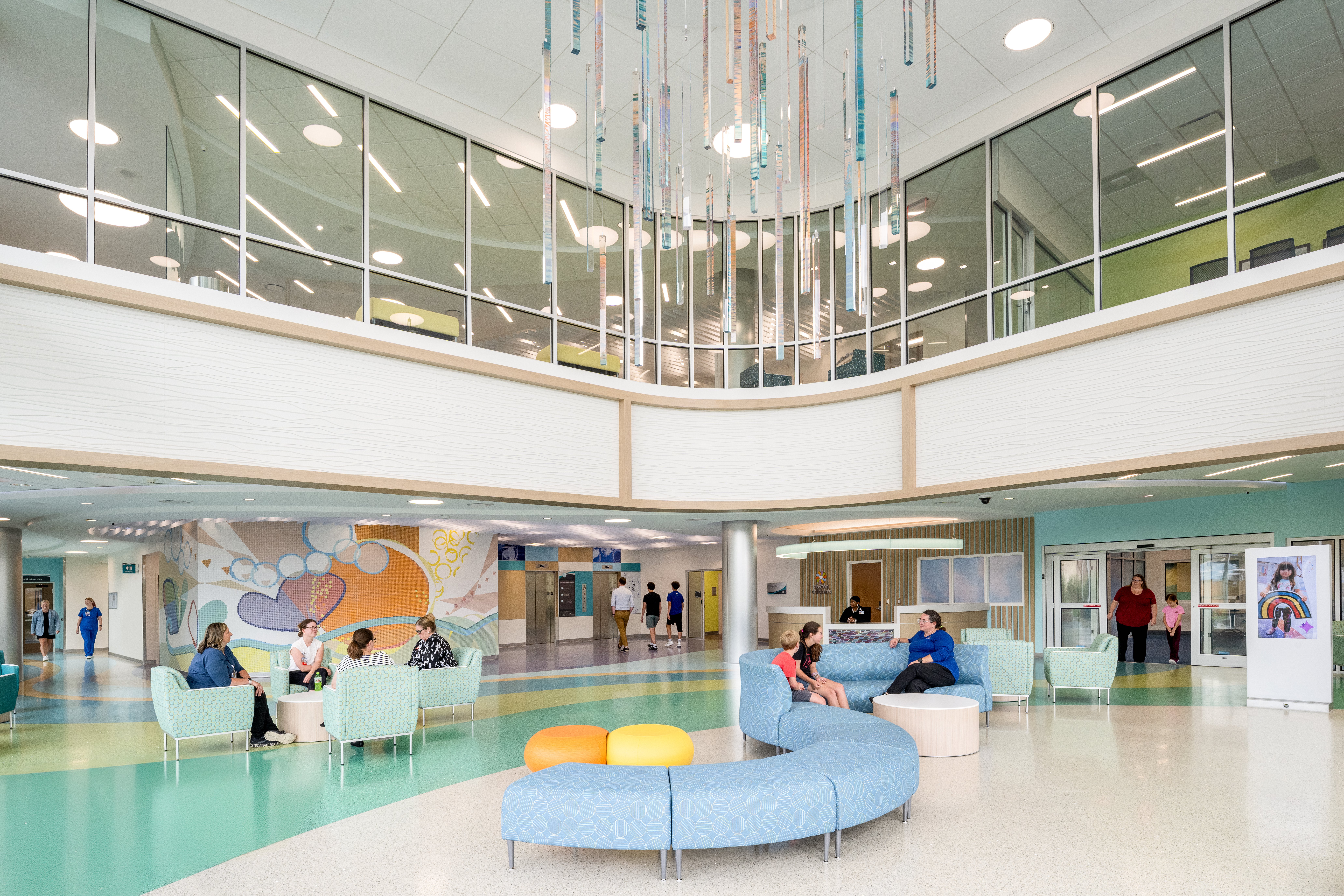
Pediatric settings benefit from more colorful, engaging imagery that reduces fear associated with clinical spaces. Research involving young patients has explored using art to create playful, less intimidating environments.
Involve pediatric patients in artwork selection when possible. Studies using arts-based methods with young patients have generated valuable insights about imagery preferences, including requests for aquatic themes, familiar animals, and nature scenes that create a sense of adventure rather than anxiety.
Senior Living and Memory Care Communities
Select imagery that is familiar, warm, and cognitively supportive for elderly residents. Photography and paintings depicting scenes from earlier decades may evoke positive memories and facilitate meaningful conversations between residents and caregivers.
For memory care specifically, avoid abstract imagery that may cause confusion. Clear, identifiable subjects in artwork support cognitive function and provide conversation starters that enhance daily interactions.
Behavioral Health Settings
Work within established therapeutic guidelines to source art that is uplifting without being overstimulating. Behavioral health environments require particular attention to content that supports emotional regulation.
Research has documented that biophilic designs featuring nature imagery can support recovery in mental health settings. Consult with clinical staff to ensure artwork aligns with therapeutic protocols and patient safety requirements. .jpg?width=750&height=500&name=Final_CIHA_4%20(1).jpg)
How Do Art Rotation Programs Support Healing Environments?
Art rotation programs offer healthcare facilities the ability to refresh environments periodically without the high upfront costs of a permanent collection. These programs address the reality that static environments can become visually stale over time.
Regular rotation keeps spaces dynamic for patients on extended stays, staff working daily shifts, and visitors making repeated trips to healthcare facilities. Fresh visual elements signal ongoing investment in the care environment and prevent artwork from fading into the background of daily experience.
TurningArt provides art rotation programs that allow clients to lease original art pieces and prints with flexible schedules. This approach combines the therapeutic benefits of curated artwork with the practical advantage of adaptable collections that evolve with organizational needs.
What Role Do Art Consultants Play in Healthcare Procurement?
Art consultants specializing in healthcare bring expertise in both visual arts and clinical environment requirements. They translate organizational goals into artwork recommendations that meet therapeutic, aesthetic, and operational needs.
Services Provided by Healthcare Art Consultants
Consultants typically offer comprehensive services including initial strategy development, evidence-based curation, procurement management, installation coordination, and ongoing collection maintenance. They serve as the bridge between healthcare administrators who understand clinical needs and artists who create therapeutic imagery.
At TurningArt, dedicated Art Advisors manage artwork programs from start to finish, handling design, curation, installation, and rotation. This turnkey approach allows healthcare facilities to access expert guidance without needing internal art procurement capabilities.
How to Evaluate Art Consulting Partners
When selecting an art consulting partner, consider experience with healthcare-specific requirements including infection control compliance, clinical scheduling constraints, and evidence-based selection methodology. Ask about relationships with artists and access to diverse artwork sources.
Evaluate the consultant's approach to understanding your specific patient populations and care environments. Effective partners invest time in discovery before making recommendations, ensuring artwork aligns with both therapeutic goals and organizational identity.
How Do Budget Considerations Shape Healthcare Art Procurement?
Art procurement budgets vary significantly across healthcare organizations. Effective planning considers both initial acquisition costs and ongoing maintenance requirements to create sustainable art programs.
Understanding Total Cost of Ownership
Beyond artwork purchase prices, budget for framing, installation, maintenance, and potential rotation or replacement costs. Healthcare-appropriate framing materials and installation methods may cost more than standard options but protect both the investment and patient safety.
Leasing and rotation programs spread costs over time and eliminate concerns about artwork becoming dated or damaged. These flexible arrangements allow organizations to maintain dynamic collections within predictable annual budgets.
Balancing Quality and Budget Constraints
High-quality reproductions and prints can achieve therapeutic effects similar to original artwork at lower price points. The evidence base for artwork in healthcare does not require original pieces to generate positive outcomes.
Consider allocating budget strategically across high-visibility areas and patient care spaces where artwork will have the greatest impact. Not every corridor requires the same level of investment as patient rooms or waiting areas where extended viewing occurs.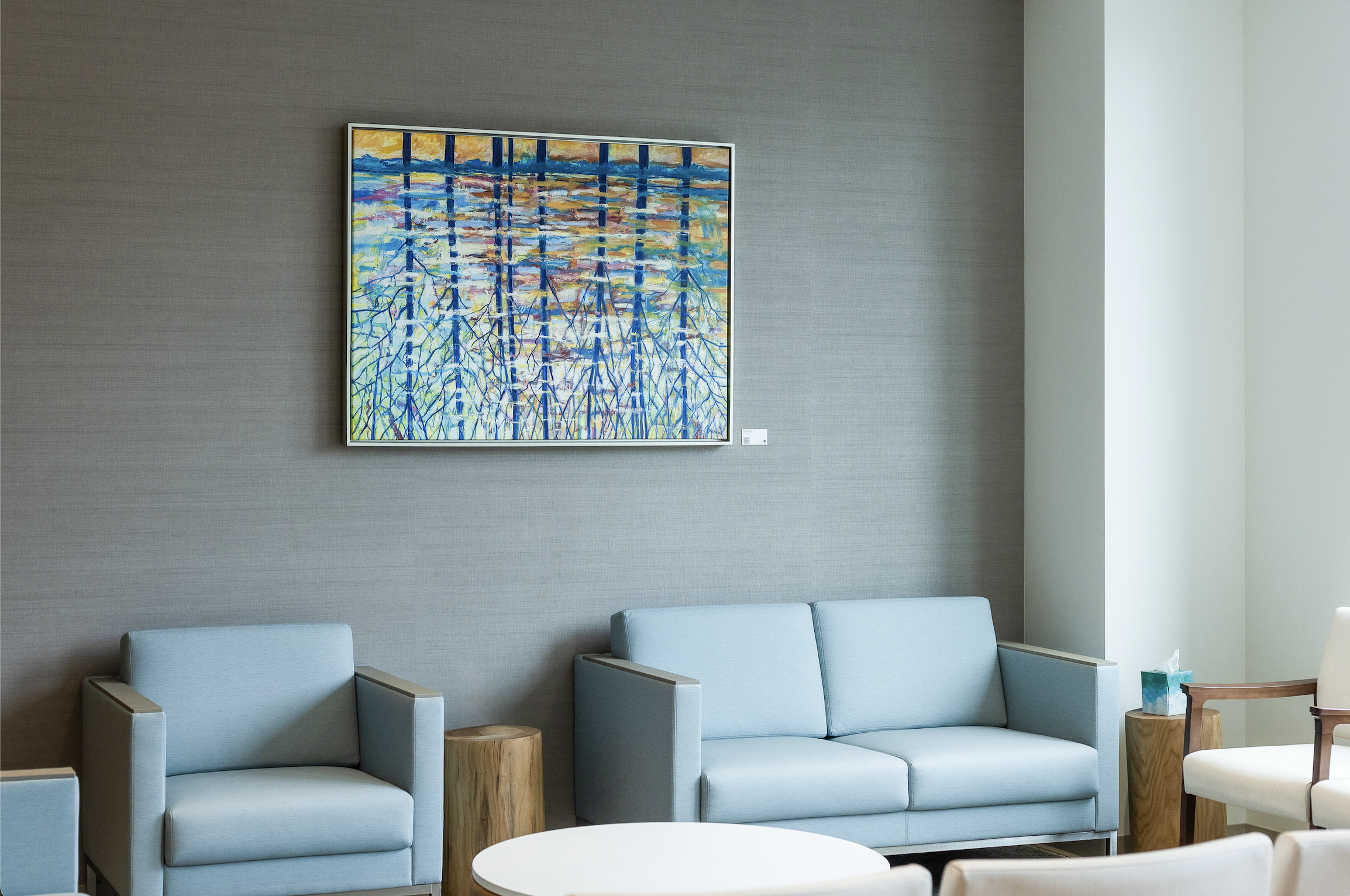
What Compliance and Safety Factors Apply to Healthcare Art Installation?
Healthcare art installation involves regulatory and safety considerations that differ from commercial or residential environments. Understanding these requirements prevents costly rework and ensures artwork supports rather than compromises patient safety.
Infection Control Requirements
Artwork materials, framing, and mounting methods must meet infection control standards for clinical environments. Non-porous surfaces that can be cleaned without damage are essential in patient care areas. Avoid frames with intricate details that collect dust or create cleaning challenges.
Coordinate with infection control teams during the planning phase to understand requirements for specific clinical areas. Standards may vary between general waiting areas and sterile clinical environments.
Patient Safety Considerations
In behavioral health settings and other areas where patient safety is paramount, artwork must be mounted securely using ligature-resistant hardware. Frames should be free of components that could be removed or cause harm.
Weight and mounting requirements apply across all healthcare settings. Artwork must be secured to prevent falling, and installation methods should account for seismic requirements where applicable.
Accessibility Standards
Consider placement of artwork to ensure accessibility for patients with mobility limitations or visual impairments. Artwork should not obstruct pathways or interfere with wayfinding systems that help patients navigate complex healthcare facilities.
How Can Healthcare Organizations Measure Art Program Success?
Measuring the impact of art programs helps justify ongoing investment and guides future procurement decisions. Both quantitative metrics and qualitative feedback contribute to understanding program effectiveness.
Patient Experience Metrics
Patient satisfaction surveys may include questions about the care environment that capture perceptions of artwork and visual design. Changes in patient experience scores following art program implementation can demonstrate return on investment.
Some organizations conduct targeted assessments asking patients specifically about artwork and its impact on their experience. These focused evaluations provide direct feedback on program effectiveness.
Staff Feedback and Engagement
Engage staff in both artwork selection and ongoing evaluation. Staff who feel invested in the visual environment report higher workplace satisfaction and stronger organizational belonging.
Regular check-ins with clinical teams can identify artwork that requires rotation, replacement, or repositioning based on observed patient and staff interactions with the environment.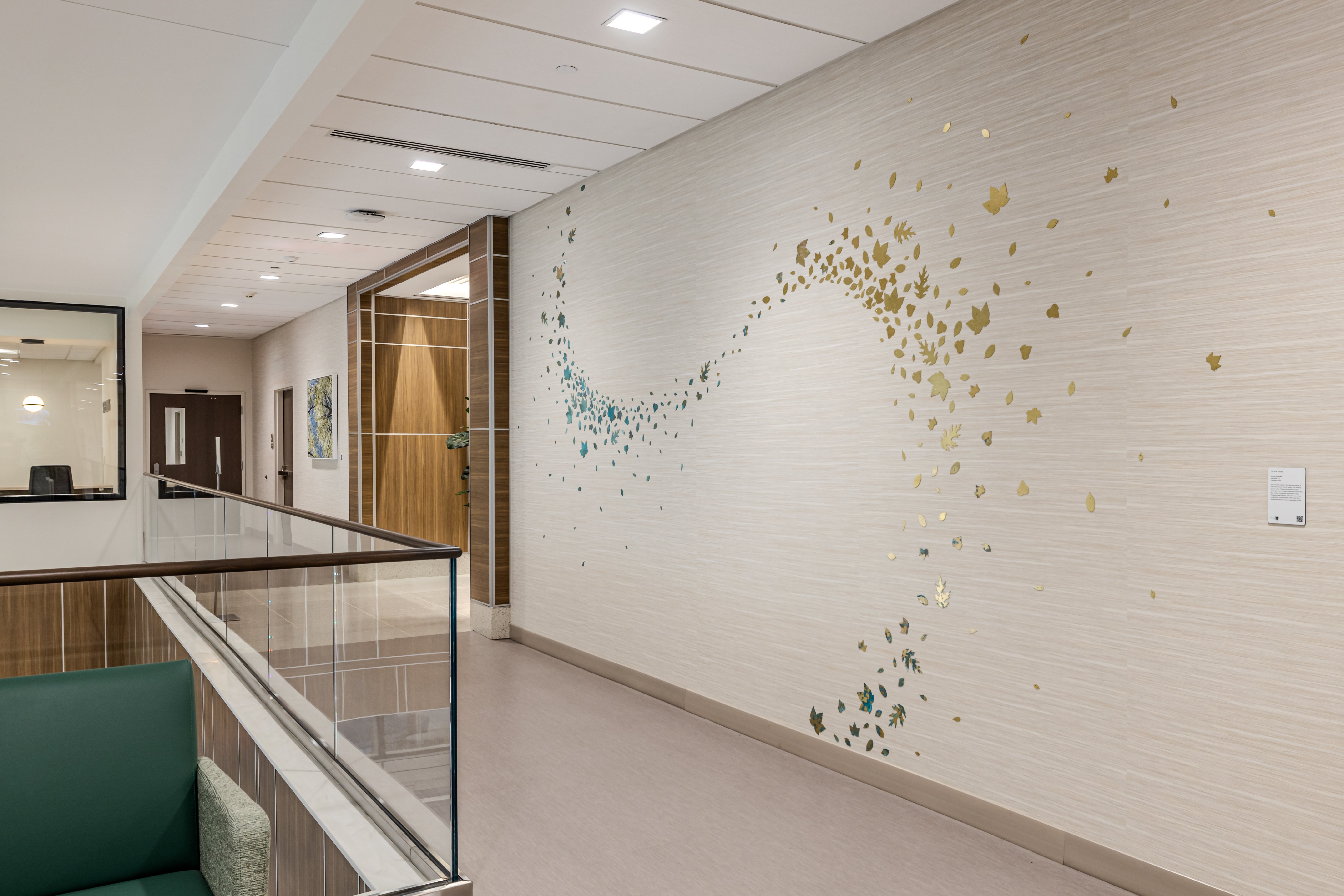
How TurningArt Supports Art Procurement for Healthcare Spaces
TurningArt combines evidence-based design expertise with turnkey service to support healthcare organizations at every stage of art procurement. From initial consultation through ongoing collection management, dedicated Art Advisors serve as partners in creating healing environments.
The approach integrates research on art's therapeutic effects with practical understanding of healthcare operations, timelines, and constraints. Art programs are tailored to each client's culture, goals, and local community, ensuring artwork reflects organizational identity while supporting patient outcomes.
TurningArt offers flexible options including purchase, commission, lease, and rotation programs that accommodate diverse budgets and organizational needs. Access to over 50,000 artworks and relationships with more than 2,500 artists nationwide ensure sourcing that meets both evidence-based criteria and design vision.
FAQs About Hospital Artwork Procurement for Healing Spaces
What type of artwork reduces patient anxiety most effectively?
Research consistently points to nature-inspired imagery as the most effective choice for reducing patient anxiety. Landscapes, botanicals, and water scenes activate the parasympathetic nervous system and lower cortisol levels. Abstract works with soft, cool palettes also demonstrate positive effects in clinical settings. TurningArt Art Advisors take into consideration specific patient demographics rather than applying generic recommendations.
How long does hospital artwork procurement typically take?
Timeline varies based on project scope, from several weeks for smaller installations to several months for comprehensive facility-wide programs. Factors include discovery and needs assessment, artwork sourcing and curation, framing and logistics, and coordination with clinical schedules for installation. TurningArt manages timelines to minimize disruption while ensuring thorough curation.
Can artwork be changed or rotated after initial installation?
Art rotation programs allow healthcare facilities to refresh collections periodically. TurningArt offers leasing programs with scheduled rotations, enabling facilities to maintain dynamic environments without permanent purchases. Rotation also allows testing different artwork approaches and responding to changing patient needs.
What materials are safe for artwork in clinical environments?
Healthcare-appropriate artwork typically features non-porous surfaces that can be cleaned without damage. Acrylic-mounted pieces, metal prints, and properly sealed canvas works meet infection control requirements in most clinical settings. TurningArt specifies healthcare-appropriate framing and materials based on each installation environment's specific requirements.
How do organizations budget for healthcare art programs?
Budget approaches include one-time payments for permanent collections, annual operating budget for leasing and rotation programs, or hybrid models combining purchased anchor pieces with rotating supplemental artwork. TurningArt works with organizations to develop programs that fit budget structures while achieving design and patient care goals.
Should staff be involved in artwork selection?
Engaging staff in artwork selection increases workplace belonging and investment in the care environment. Research indicates that involving occupants in environmental decisions enhances the therapeutic benefits of visual art programs. TurningArt uses voting tools that enable staff participation in final selections while maintaining a unified curatorial vision.
Connect with an Art Advisor below to learn more!

.jpg?width=332&height=177&name=0046-Interior%20(4).jpg)
.jpg?width=332&height=177&name=_MG_0840%20copy%20(2).jpg)

.jpg?width=332&height=177&name=dtBv_067_DSC_2139_DaNil%20(2).jpg)