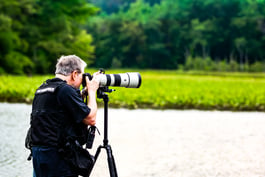
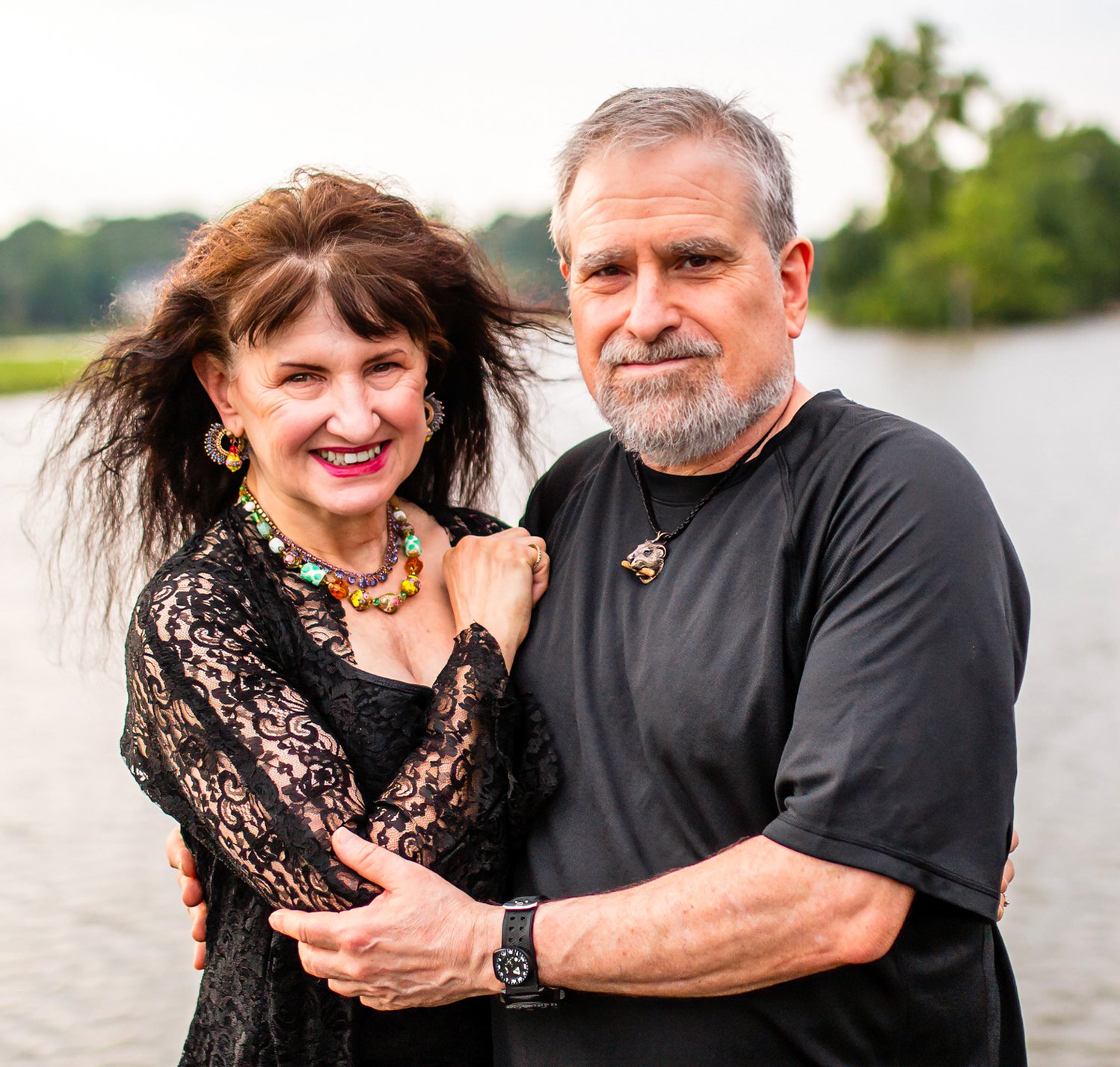
Philip Bogdan is an Alexandria, Virginia-based photographer specializing in nature and wildlife imagery.
After complications from open heart surgery in 2013 severely reduced his cognitive skills, Bogdan lost the ability to photograph and had to start from zero. As part of his recovery, he placed small printed labels on every part of his equipment to relearn their functions. Thanks to neuroplasticity and time, he has since regained the skills behind the images in his portfolio today.
For over a decade, Bogdan has been photographing local flora and fauna at Little Hunting Creek, a tributary of the Potomac River in Northern Virginia, which has become his Walden Pond.
Tell us about your journey to becoming a professional artist.
My father started me in photography at age eight, though it began almost by accident. He’d befriended a Japanese classmate at Dartmouth who had connections at Nikon, and while on a trip to Japan together, he gifted my father a full kit of the latest professional equipment: a Nikon F2, lenses, all of it. So at eight years old I had thousands of dollars of the best gear on the planet and absolutely no idea what to do with it.
My father was a serious, classically trained photographer. He signed us both up for lessons with Kazik Pazovski, a well-known Cincinnati photographer. It just so happened that Pazovski had another student whom my father brought into my life one magical night. His name was Walt Burton. Picture Santa Claus, George Carlin, and Timothy Leary rolled into one.
Walt was a professional photographer who'd shot for Playboy and was also known for his photographs of the Beatles on tour. Where Pazovski had given both my father and Walt their technical foundation, Walt was the one who showed me the joy in the medium, the playful side of photography that the technical schools never taught. He became like a second father to me.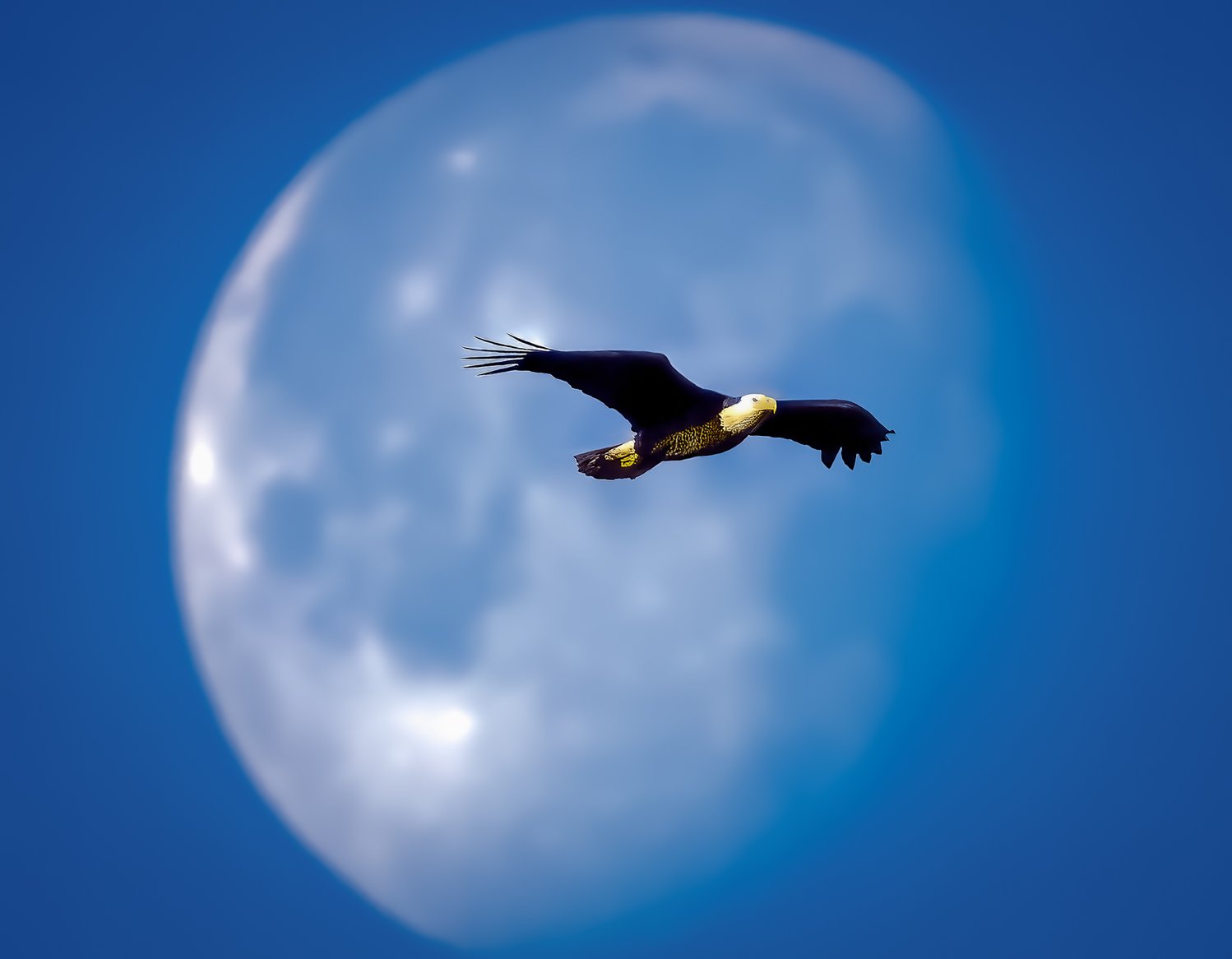
Was there a defining moment or a moment of clarity when you knew this was your path?
The exact moment that turned my life around happened at the Cincinnati Public Library. My father dropped me off there after work one Saturday. I went straight to the photography section, pulled a Time-Life book off the shelf, and opened it to Duane Michals' "The Spirit Leaves the Body." My jaw dropped.
That was it. I was hooked for life.
A few years later, Walt let me audit his college photography class at age twelve. Thanks to his connections, I met some of the photographers who would go on to define the medium including Duane Michals, Jerry Uelsmann, and Harold Jones. At the time they were the hottest names in the business. Today, they're considered legends. Meeting them at age twelve, before I knew how much I'd already absorbed, was an education in itself.
Meanwhile, my father had a liberal arts education in mind for me and wasn't interested in entertaining photography as a career path. I entered the Scholastic Art Competition and won nationally. He called it a fluke. I entered again the next year and won again, and that's when he finally started helping me look at art schools.
I ended up with acceptance letters from Rhode Island School of Design, Cooper Union, Pratt, and CalArts. I chose RISD. It was considered the top fine arts school in the country at the time.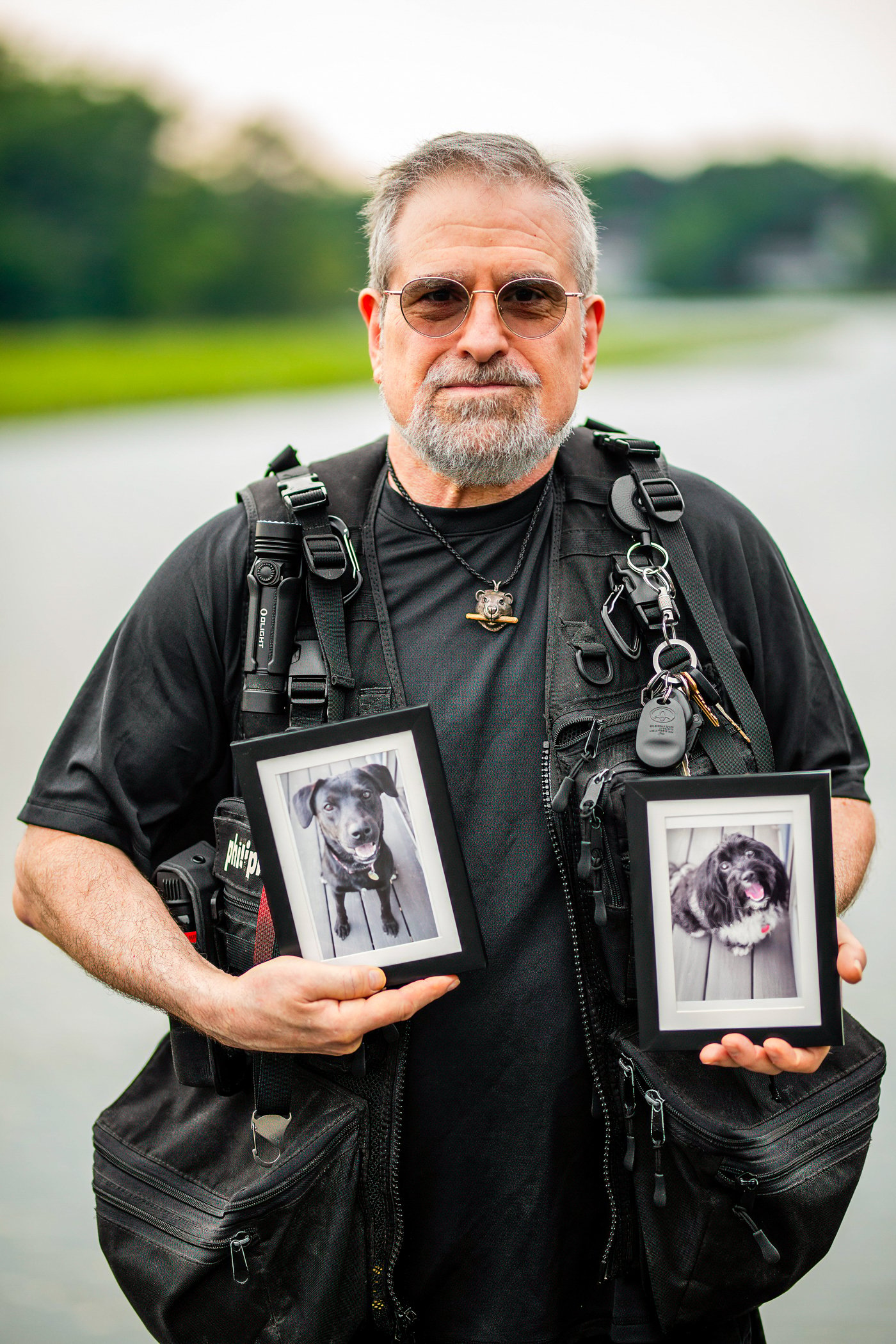
Tell us about your work.
Funny that you ask. I photograph the things I question. For me, the medium isn’t necessarily a way to illustrate an idea I already have, but rather to discover the answer to something I have yet to understand.
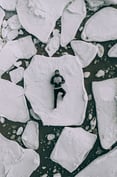
My current major body of work, The Dock, has taken roughly a year to organize and will probably end up being my legacy, at least until the next one comes along. Beyond that I'll only say that it's deeply personal and still a work in progress.
Throughout my projects there's a consistent thread: if a subject genuinely fascinates me, I trust that it will fascinate others too.
Tell us about your process.
As bizarre as it may sound, I play out an infinite number of scenarios in my head before I ever create anything. But by the time I'm actually shooting, I stop using any one of those imagined scenarios. Instead, they all meld together into a kind of “creative bouillabaisse”, something closer to a base flavor than a fixed recipe. What comes out in the moment is a new and spontaneous response to whatever's in front of me.
When you are looking for inspiration, what resources do you turn to?
Music is my catalyst and inspiration.
As a child, I never photographed without it. It felt as though it was literally and figuratively the blood in my veins. Funny enough, now in my "old age," I need silence to create instead. It’s the same hunger, but a different fuel.
Finding the right rhythm to be productive can be a challenge. What advice do you have for staying productive and focused as an artist?
It's less about productivity for me and more about fidelity to the work. Discipline simply keeps the door open so the work can show up when it's ready. Every series has its own music: some grand and symphonic, some quiet and reflective, some downright restless. I don't force one rhythm across everything I do. Each body of work tells me what it needs, and I try to listen.
What is your advice for combating creative blocks?
I've stopped fighting the quiet stretches. Some of it is just the brain needing time to rest, absorb, and reload. I've come to think of that as less of a block and more like work happening somewhere I can't see it yet. Sometimes it takes a season to come back, sometimes it takes years.
Either way, it comes back. Be patient with yourself.
As an artist, how do you measure your success?
The one thing I've learned is that success, and the lack of it, should never be taken personally. Success means something different for every artist, and too often it's defined by economics rather than merit. The one thing I do know: the moment you get complacent is the moment you've set yourself back for years.
What advice do you have for artists who are beginning to build their careers?
My dear amigo Walt always told me, "Don't talk your art. Make your art." No wiser words were ever spoken.
As for visibility, my dear friend Trine Bumiller is an artist extraordinaire out of Denver, and is the queen of self-promotion. I've studied her technique for decades and still haven't managed to master it, so I'm probably the last person you should be asking.
Do you consider yourself, and all artists, to be entrepreneurs?
Some artists are entrepreneurs of necessity. Survival often demands it. Others create solely for self-fulfillment. I've been fortunate to deal primarily with the latter. In the end, the work doesn't care who made it. I don't think either approach is more legitimate than the other.
Failure is an inevitable part of success in any field. Do you have advice for overcoming setbacks and staying resilient in the face of challenges?
Stop shooting yourself in the foot. I look at failure less as the opposite of success and more as the price of admission. Often it's the only teacher honest enough to show you what went wrong. Let it in, and it will lead you more deeply down avenues you'd never have found on your own.
What sparked your interest in partnering with TurningArt?
My brilliant niece, Carol Fabricant, felt TurningArt would be a perfect venue for my work. I have her to thank.
What does having your artwork in public spaces mean to you?
Having the public engage directly with my work is something I've always wanted. My work was never meant to end with me. Seeing it finished and realized completes the creative circle.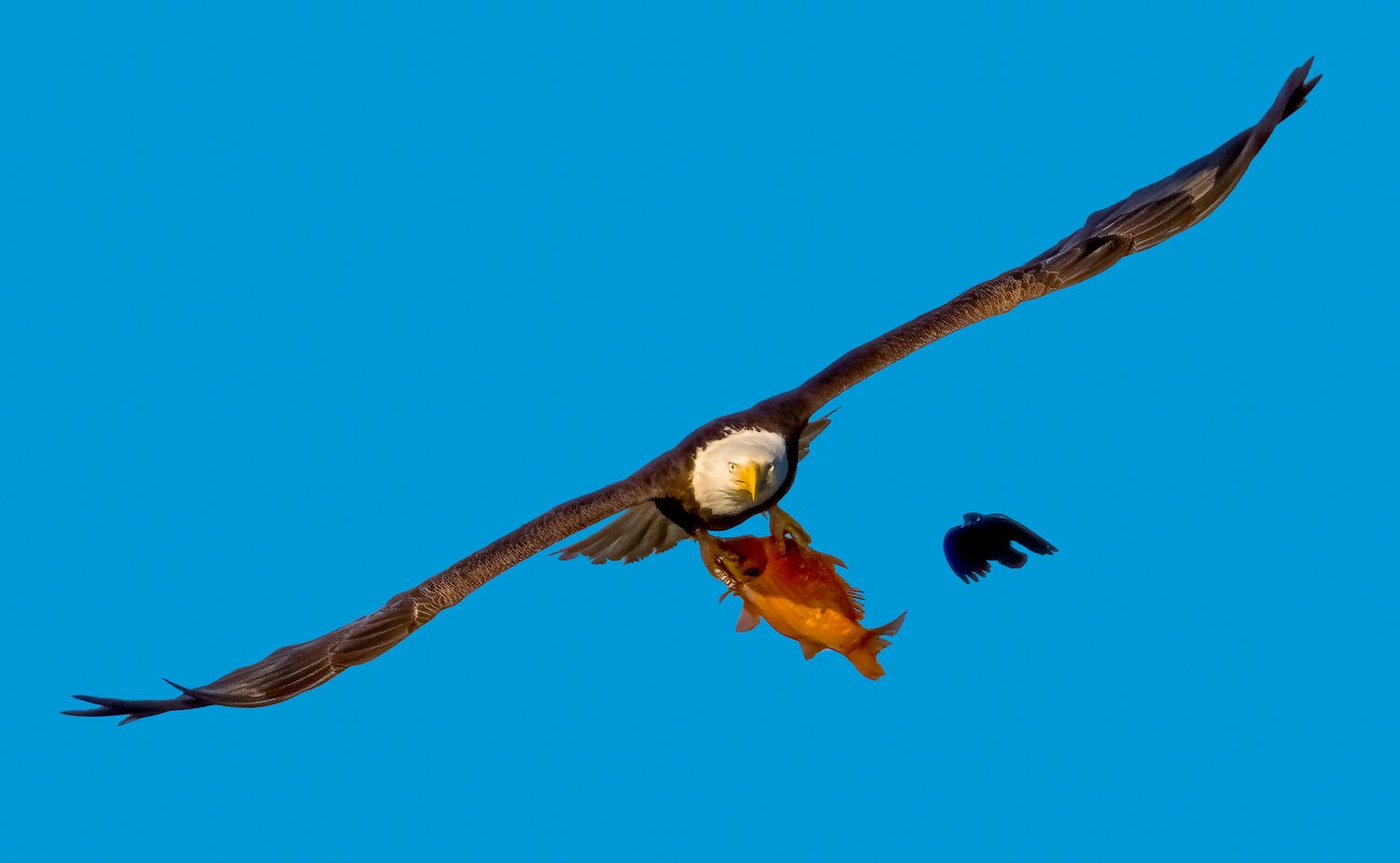
Was there ever a moment of clarity about being an artist?
Once I realized I could step outside the methodology I'd been handed as gospel, that was the moment art became authentic to me. It felt like there was finally a path forward of my own design.
The decisive moment came at age twelve, when I saw those Duane Michals' images at the Cincinnati Public Library.
How does being an artist affect your perception of the world?
Everyone today calls themselves an artist, and that's just what happens when the tools become universal. But access to a camera and having a pair of eyes isn't the same as having "an eye." The owned equipment, no matter how good it is, can’t develop your artistic perception.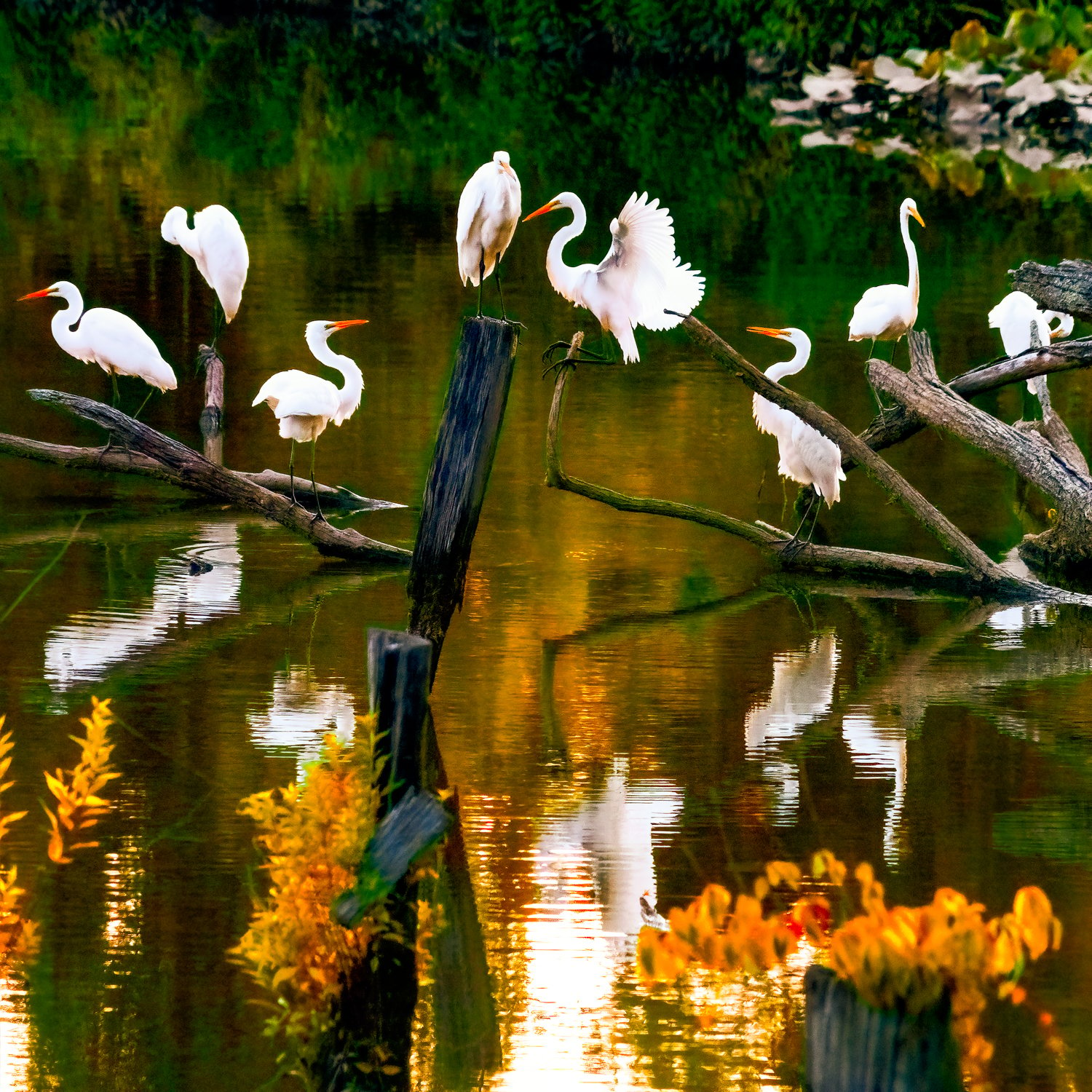
Have other artists inspired your path?
Every old-school artist on the planet has influenced me: their craft, their discipline, their integrity, their reverence for their work. My father, Walt Burton, and Kazik Pazovski showed me what that looked like up close. I didn't understand why any of it mattered until years later.
What is most meaningful to you about being an artist?
I do it for the "big bucks!" 😉
Just joshing, of course. The truth is simpler and a little more stubborn: after my heart surgery in 2013, I had to relearn how to see, how to hold a camera, how to compose, how to think in images at all. Art gave me back to myself. These days it's less ambition that drives me and more gratitude. Every photograph is proof that the work came back when it had every reason not to.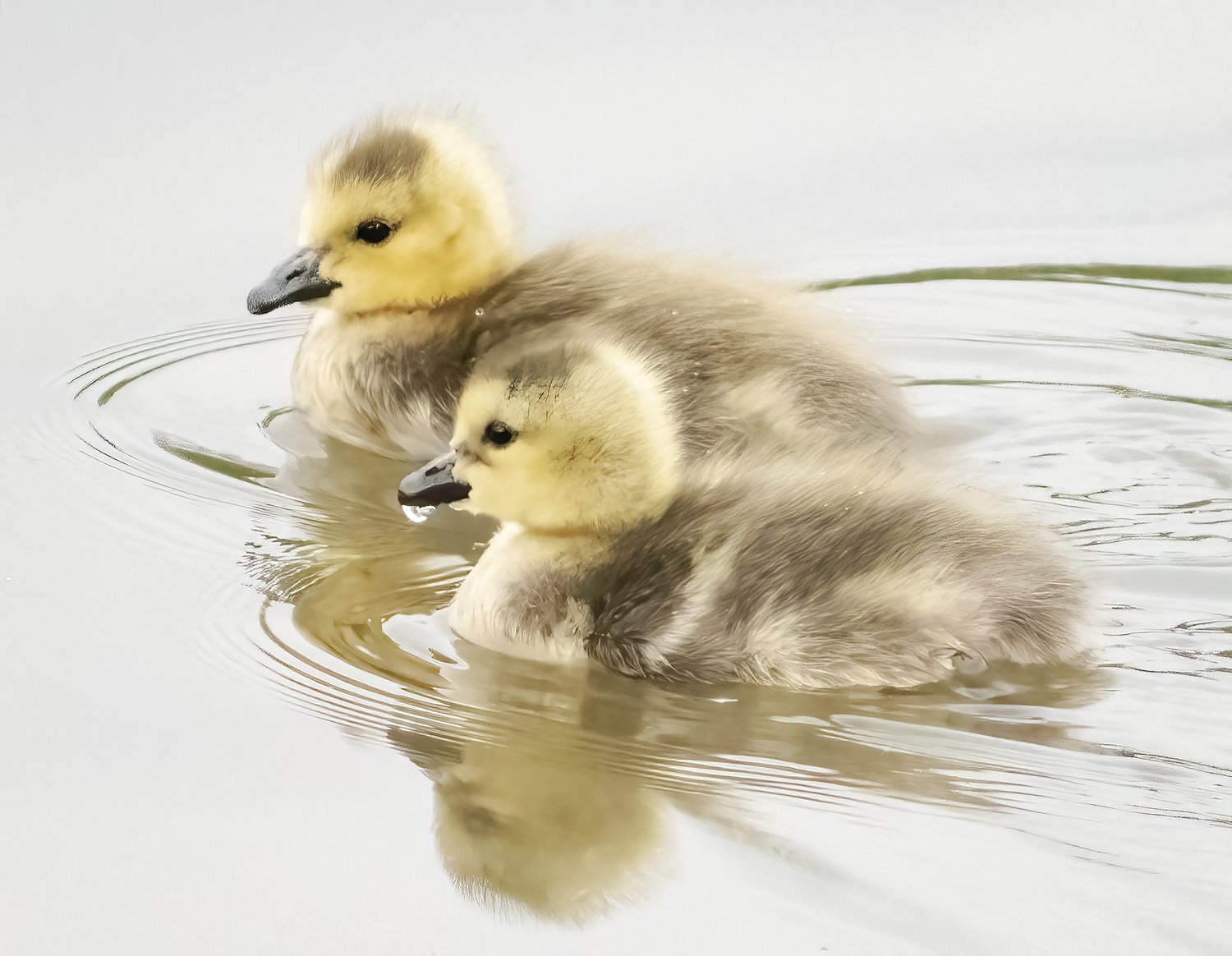
Is there anything else that you feel is important to your story as an artist?
If there's a common thread running through all of this, it's that I've always chosen photography, even when it would have been easier not to. At eight, with a camera I didn't know how to use. At twelve, in a library, looking at a photograph that permanently altered something in me. At RISD, learning the rules to eventually break them on purpose. And in 2013, when illness took the craft away entirely and I had to build it back from nothing, one day at a time, with no guarantee it would return at all.
It came back slowly. Getting there felt less dramatic than I expected, it felt more like finding my footing again after being unsteady for a long time. The same hunger that needed music as a kid needs silence now, and the same instinct that learned discipline from Pazovski and joy from Walt never quite let go of either one.
Convergence is the best word for my current project, The Dock, and it's also the best word for what time has done to my life's work.
If my students, now middle-aged themselves, could take one thing from my example, it would be this: discipline, zeal, ceaseless tenacity, and perpetual curiosity are my creative secrets.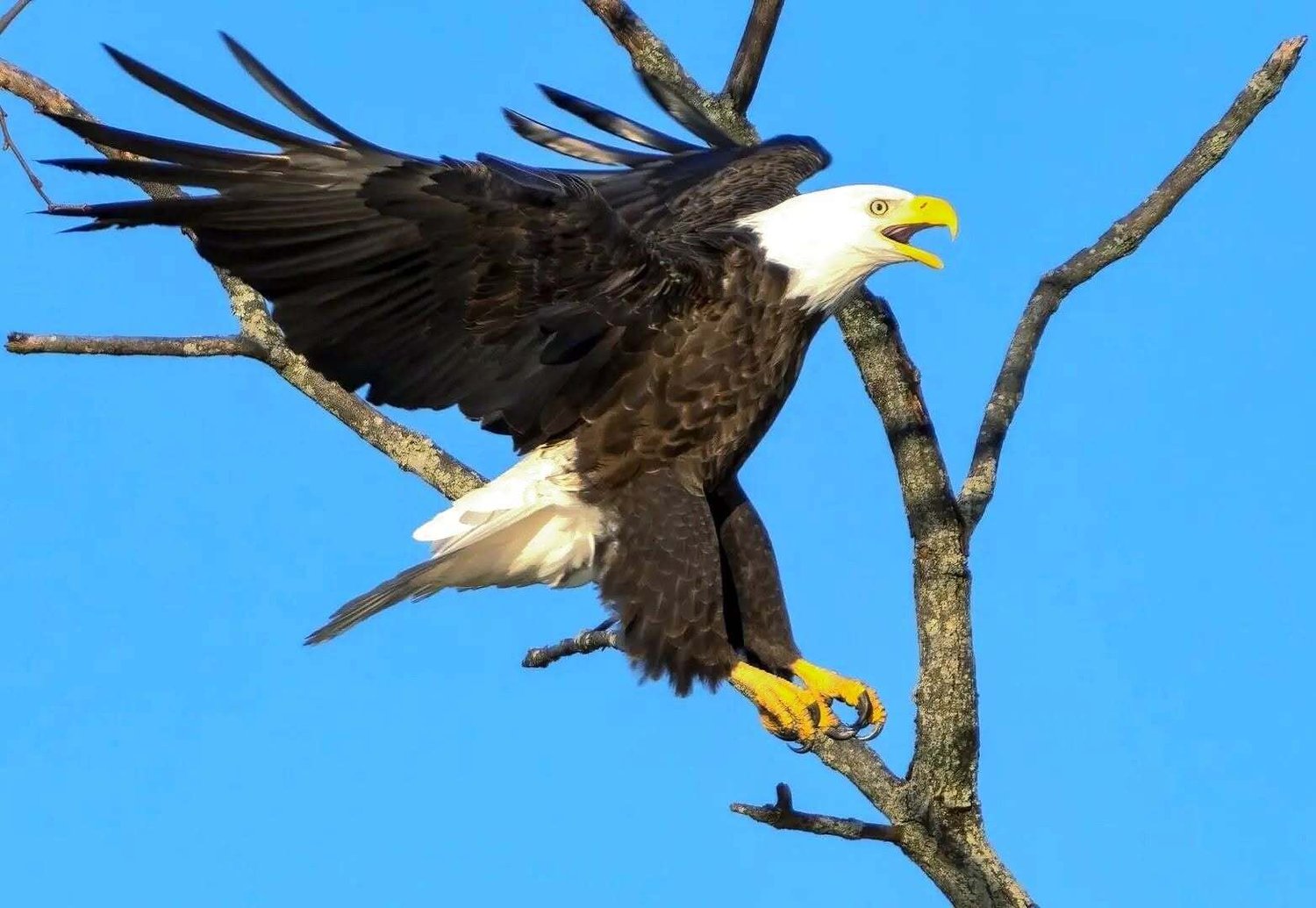
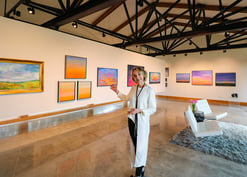
To see more featured TurningArtists, return to our blog. To get Philip Bogdan's art in your space, set up a free consultation with an Art Advisor here!