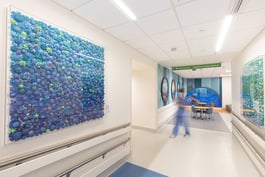
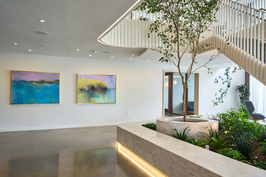
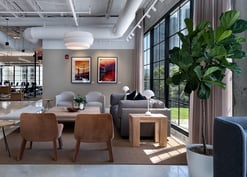
The spaces we use every day can influence our sense of well-being. While their design often focuses on practical needs, the way people feel within these environments is also an important consideration. In commercial spaces, this creates an opportunity to think more broadly about the experiences they offer and how elements like artwork can contribute to enjoyment, curiosity, and engagement as part of everyday life. The spaces we use every day can influence our sense of well-being. While their design often focuses on practical needs, the way people feel within these environments is also an important consideration. In commercial spaces, this creates an opportunity to think more broadly about the experiences they offer and how elements like artwork can contribute to enjoyment, curiosity, and engagement as part of everyday life.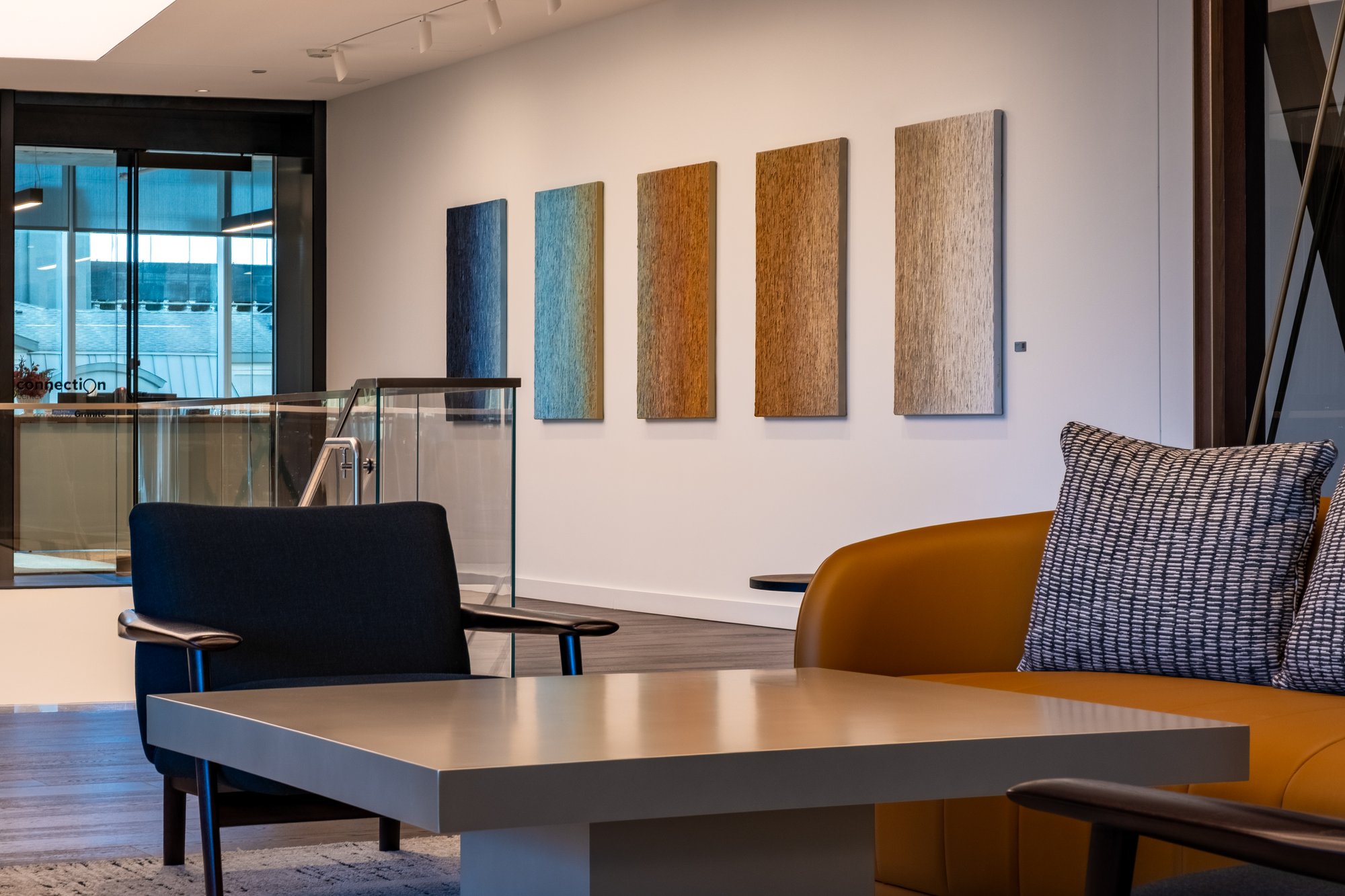
Understanding Well-Being and the Environment
Mental health and well-being have become increasingly important considerations in recent years, particularly as the COVID-19 pandemic and the widespread adoption of remote and hybrid work models have changed how we interact with our surroundings. These shifts have brought renewed attention to the relationship between the built environment and our well-being.
Mental health and well-being are terms we hear frequently, and understanding what they encompass is important when considering how our environments can support them.
The World Health Organization defines mental health as “a state of mental well-being that enables people to cope with the stresses of life, realize their abilities, learn and work well, and contribute to their community” (WHO, 2026). This definition highlights the importance of mental wellness in everyday activities, while the term well-being encompasses a broader range of experiences, including feelings of enjoyment, engagement, and purpose (OECD, 2025).
The idea that our physical surroundings influence how we feel is far from new. Documented beliefs linking the aesthetic qualities of the built environment to human health and well-being date back to ancient traditions like Feng Shui in China around 5000 BCE and Vaastu Shastra in India around 1500 BC, which focused on creating harmony between people and their environments (St-Jean et al., 2022). Similarly, in his treatise, “De architectura,” ancient Roman architect Vitruvius considered how architectural qualities such as proportion, light, and order contribute to comfort (Vitruvius, trans. 1931). While these traditions differ in practice, they reflect a longstanding understanding of how the spaces we inhabit affect our everyday experiences.
How Our Surroundings Influence Our Experiences
Recent research has sought to better understand and measure the relationship between the built environment and well-being. A 2025 study examining public perceptions of building architecture found that 75.6% of respondents believed building appearance had at least some impact on their mental health. Additionally, 70.7% supported greater investment in buildings that positively affect users’ feelings (Dalton et al., 2025). While these findings reflect public perceptions rather than measured mental health outcomes, they indicate that people place considerable value on the visual qualities of their everyday surroundings.
Beyond these perceptions, research in architectural neuroaesthetics has begun to identify the specific qualities underlying people's responses to their surroundings. A 2021 review identifies three dimensions of architectural experience: coherence, a space's perceived organization; fascination, its visual richness and interest; and hominess, the extent to which it feels comfortable and welcoming (Chatterjee et al., 2021). These distinctions offer a more specific way to approach designing spaces around how people should feel and function.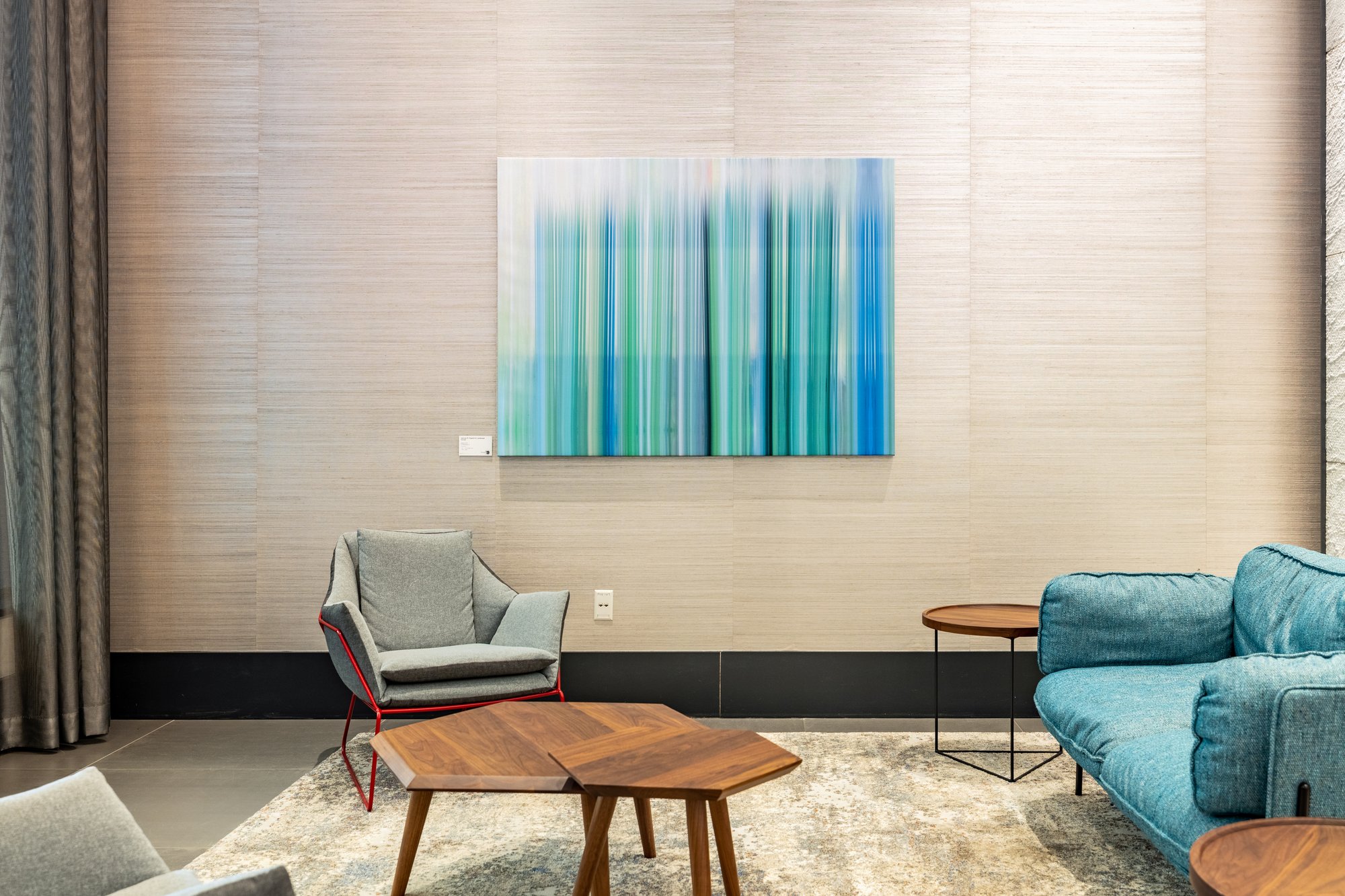
Designing for Experience in Commercial Spaces
The role of commercial spaces extends beyond functionality. From office buildings to shared amenities and mixed-use developments, these environments are part of people's daily routines, making the quality of their experiences an important consideration in how spaces are designed.
JLL's Experience Matters 2025 report reflects the importance of these emotional experiences, identifying uniqueness and fun among the aesthetic qualities people value in real estate experiences, alongside practical considerations such as safety and convenience.
These preferences highlight the importance of considering enjoyment and engagement as part of the experience of commercial spaces. They also encourage a broader understanding of what makes these environments appealing to the people who use them.
Integrating Art to Enrich Everyday Environments
Thoughtfully selected artwork can make everyday spaces more engaging, introducing moments of enjoyment and connection into our routines. Research in neuroaesthetics explores how the brain responds to art, offering insight into the relationship between artistic experiences, emotions, and well-being.
Our responses to artwork involve three interconnected brain systems, each contributing to how we perceive, evaluate, and interpret what we see (Weir, 2025):
- Sensory-motor system: Processes visual qualities such as color, shape, and movement, helping us perceive and respond to the artwork.
- Emotion-valuation system: Contributes to our emotional responses and how we evaluate an artwork's appeal or personal significance.
- Knowledge-meaning system: Draws on memories, past experiences, and cultural knowledge to help us interpret and find meaning in artwork.
These emotional responses are especially relevant when artwork becomes part of our daily environments. Research examining an artistic installation in an urban setting found that participants reported reduced feelings of anxiety, stress, and negative mood after interacting with the artwork (Mikuni et al., 2024).
Importantly, people don't always need to seek out art to engage with it. Artwork can attract attention and invite interaction during ordinary activities. In a 2025 observational study in Vienna, pedestrians were more likely to stop, look closely, point, or take photographs when artwork was displayed in storefront windows (Knoll et al., 2025).
In commercial environments, artwork can become a meaningful part of people's everyday experiences. By introducing opportunities for curiosity, enjoyment, and reflection, art can influence how people engage with their surroundings and contribute to the overall experience of a space.
How TurningArt Can Help
At TurningArt, we believe that understanding how people should feel and interact with a space is an important part of developing a successful art program. Our Art Advisors work closely with commercial real estate developers, property teams, architects, and designers to define the goals of each environment and curate artwork that supports the experiences they want to create.
From initial curation to installation, we help clients integrate artwork into commercial spaces in ways that encourage curiosity, enjoyment, and connection. Whether developing a collection for a new property or refreshing an existing space, our team brings together curatorial expertise and a thoughtful understanding of the people who will experience the artwork every day.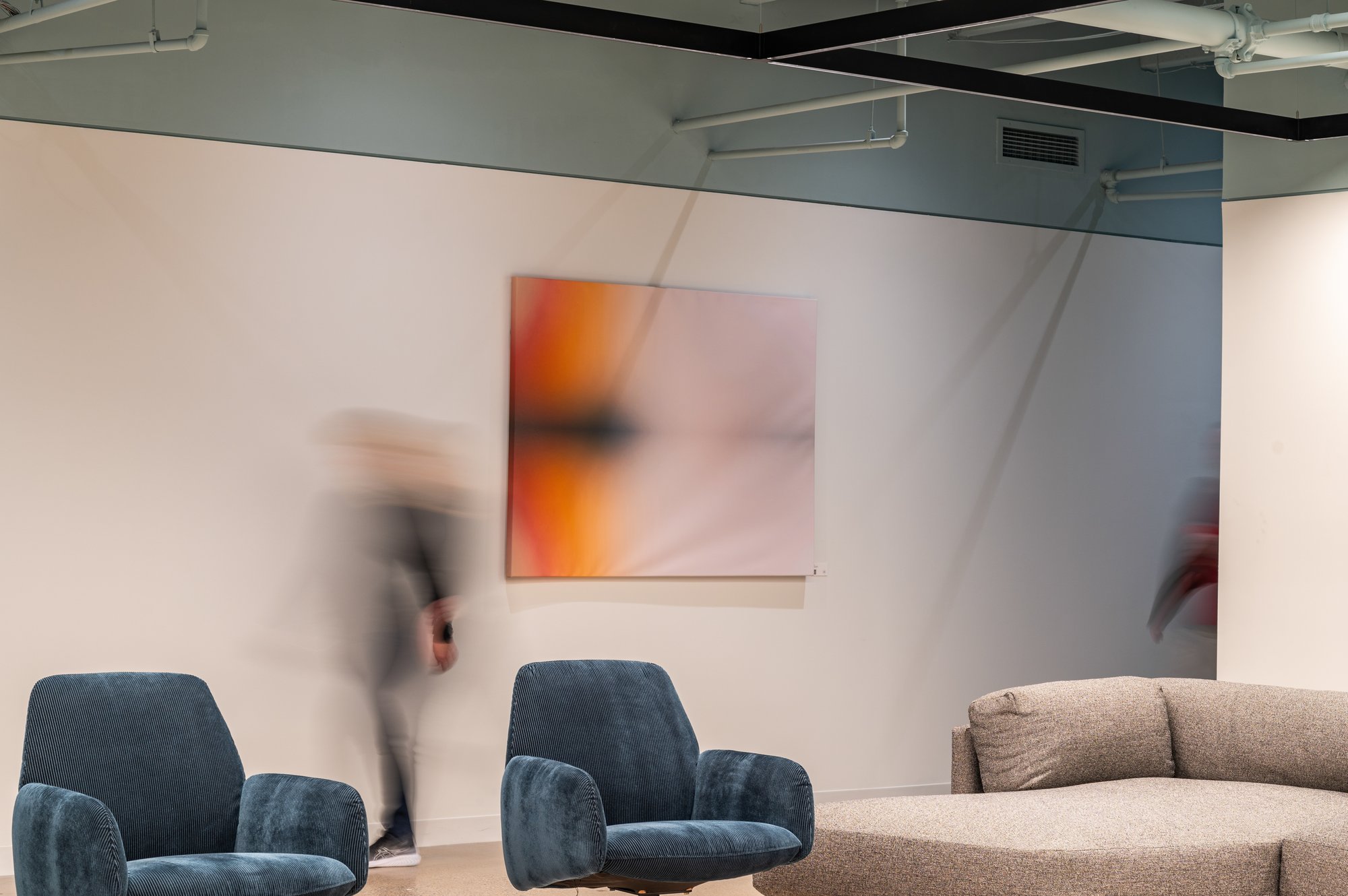
Connect with an Art Advisor below to learn more!