Commercial real estate developers are under more pressure than ever to differentiate their properties in a crowded market. Tenants and investors alike are looking past square footage and amenities toward something harder to fake: how a space feels. Custom artwork, sourced through commercial art consulting, has emerged as one of the most direct levers developers can pull to shape that feeling and turn it into measurable performance.
This guide covers what custom art consulting looks like for CRE projects, how site-specific commissions work, what to look for in an art advisory partner, and why more developers are building art programs into their capital plans rather than their punch lists.
Key Takeaways: Custom Artwork for Commercial Real Estate in 2026
- Commercial art consulting connects developers with custom, site-specific artwork designed to reinforce a property's identity and support tenant experience.
- Research shows that properties within walking distance of well-designed public spaces can see up to 26% higher value, and mixed-use developments have commanded a 25% rent premium over market averages since 2014.
- Custom artwork and placemaking strategies are linked to measurable increases in time spent on-site, positive perception, and word-of-mouth referral.
- TurningArt provides architectural art partnerships that combine curation, commissioning, installation, and rotation into a single turnkey program for CRE portfolios.
- Selecting the right art consultant depends on experience with commercial-scale projects, a strong artist network, and the logistics capability to manage multi-property programs.
What Is Custom Art Consulting for Commercial Real Estate?
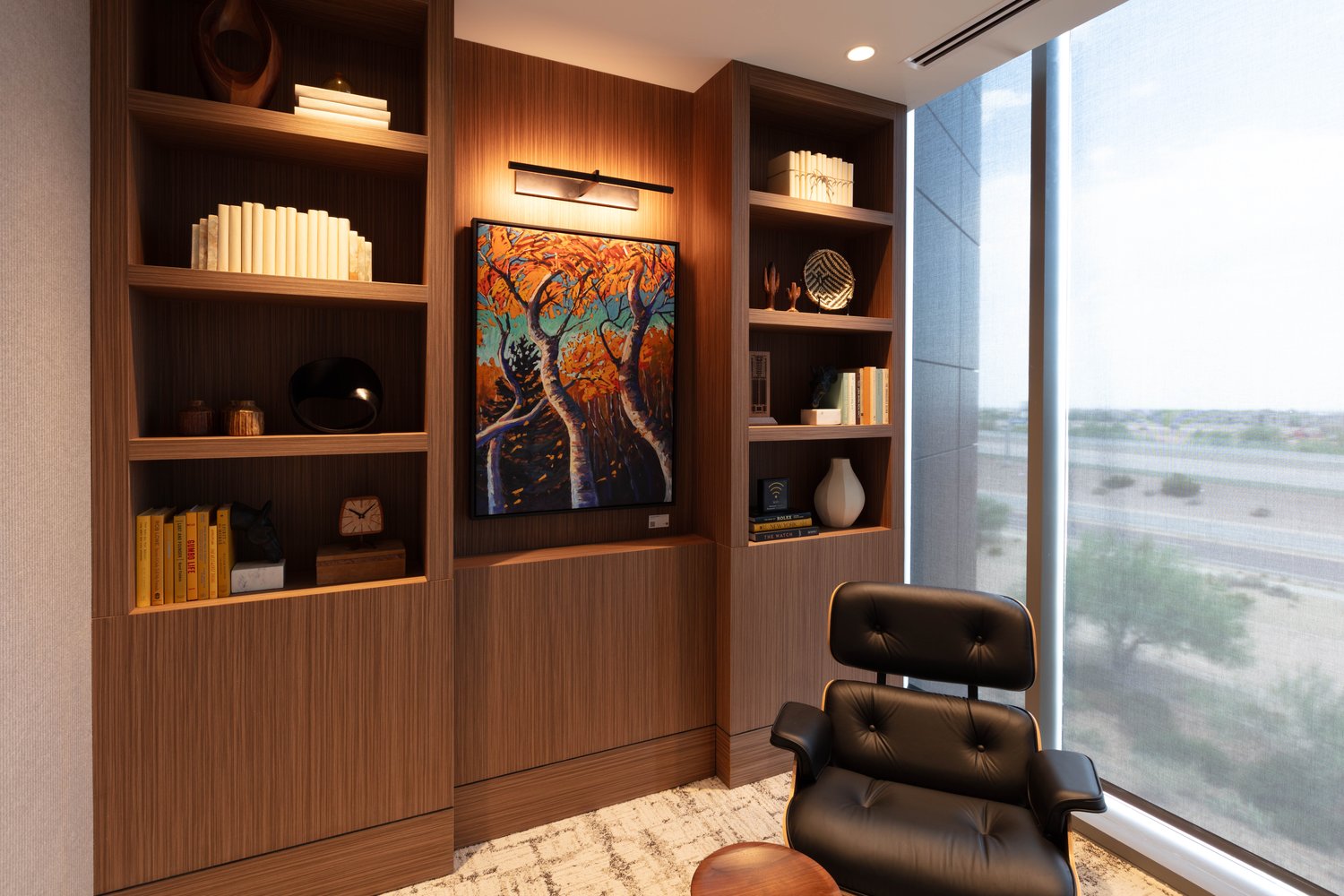
Commercial art consulting is the practice of pairing developers and property owners with an art advisory partner who sources, commissions, and installs artwork calibrated to a property's brand, tenant mix, and physical layout. Unlike buying a few pieces to fill a lobby, this is a strategic process: understanding what a building is trying to say to the people who walk through it, and then finding or creating the artwork that says it.
For CRE developers, this typically means working with an art consultant across an entire portfolio rather than a single building. Consistency of quality and message across properties, while still allowing individual buildings to reflect their local market, is one of the core value-adds a dedicated art advisory partner brings to the table.
Why Should CRE Developers Invest in Custom Artwork?
The case for custom artwork in commercial real estate has moved well past aesthetics. Developers are increasingly treating art as an amenity with a return, not a soft cost.
Tenant and Visitor Experience Expectations Have Risen
According to JLL's 2025 Experience Matters survey, two-thirds of respondents expect the places where they live, work, and spend time to deliver enjoyment, diverse experiences, and meaningful value in return for their time, and 69% of people say they're more likely to pay for high-quality experiences, up from 65% the year before. Safety, amenity availability, and health and wellness ranked as the top three drivers of experience in 2025, all of which a thoughtfully designed art program can support directly.
Personalization is part of that expectation. Deloitte's 2025 research found that 80% of consumers expect personalized content from brands, and JLL found that 74% of consumers gravitate toward brands that personalize their products or experiences. That same expectation now extends to the built environment, where custom, site-specific artwork gives a property a version of personalization that generic decor cannot replicate.
The Financial Case Is Measurable
A 2023 study on placemaking found that spaces designed with placemaking strategies, including custom artwork, produced a 50% increase in time spent on-site, a 53% increase in positive perception of the environment, a 63% increase in positive feelings about the space, and a 77% increase in the likelihood that visitors would share information about the location with others.
The longer-term real estate data backs this up. Office leases in mixed-use developments have carried a 25% rent premium over market averages since 2014, and properties within walking distance of well-designed public spaces can see up to 26% higher value. For workplace-focused properties specifically, research commissioned by Brookfield Properties found that enriching a workspace with art can raise productivity by up to 17%, and involving employees in art selection can push that figure to 32%, with 69% of adults reporting that visually attractive artwork in the office positively affects their wellbeing.
How Does Site-Specific Commissioning Work for CRE Projects?
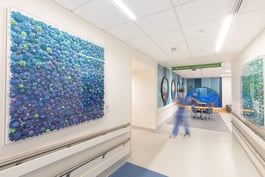
Site-specific commissions are custom artwork created exclusively for a particular property, responding directly to its architecture, sightlines, and brand story. For CRE developers, this is often the clearest way to differentiate a property from comparable buildings down the street.
The process generally starts with a brief: what is the property's identity, who are the intended tenants or visitors, and what should the space communicate? From there, an art consultant identifies artists whose work aligns with that brief and manages the commissioning process through concept development, design approval, fabrication, and installation.
Because commissions are built for a specific lobby, plaza, or corridor, they consider details that catalog artwork can't account for, like sight lines from a building entrance, the scale of a double-height atrium, or how natural light moves through a space over the course of a day. TurningArt coordinates with a network of thousands of contemporary artists nationwide to develop these commissions, giving developers artwork that cannot be replicated at a competing property.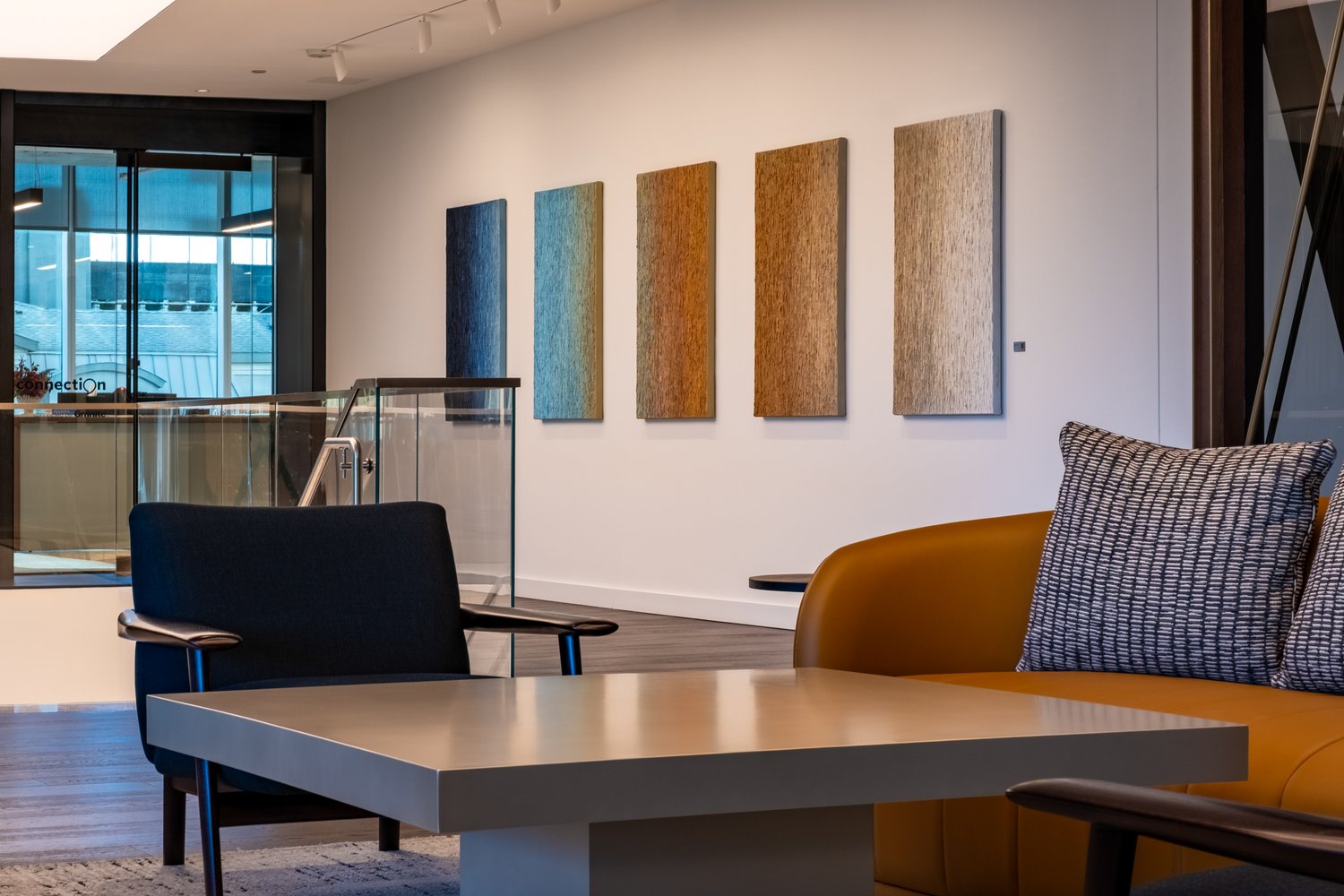
What Should Developers Look for When Selecting an Art Consultant?
Art consultant selection matters more for CRE portfolios than for a single building, since the right partner needs to operate at scale without losing the local relevance that makes a property feel distinct. A few factors are worth prioritizing:
- Portfolio-scale experience. Ask for case studies from developers managing multiple properties, not just single-building projects. Portfolio programs require different logistics than a one-off installation.
- Geographic and artist network reach. Developers with properties across multiple markets benefit from a consultant with access to local artists in each region, so that individual buildings can reflect their community rather than feeling like a repeated template.
- Turnkey logistics capability. Confirm whether the consultant manages framing, shipping, and installation directly, or whether those pieces fall back on the developer's team. For multi-property programs, a partner who can run the entire process end-to-end reduces coordination burden significantly.
- Flexible commercial models. Purchase, lease, and rotation options each serve different capital strategies. A strong art advisory partner will help identify which model fits a given property rather than defaulting to a single approach.
How Do Art Advisory Services Support Commercial Real Estate Portfolios?
Architectural art partnerships give developers a single point of accountability across an entire portfolio rather than managing art vendor relationships property by property. A dedicated art advisor typically works across four stages for each property or phase: discovery and strategy, curation, procurement, and installation and ongoing maintenance.
For CRE specifically, this also means the art program can evolve alongside leasing cycles. As tenants turn over or a property repositions, an art advisory partner can adjust the collection to match a new tenant profile without requiring a full capital reinvestment, which matters for owners managing multiple assets on different timelines.
What Are the Benefits of Turnkey Art Installation for CRE?
Turnkey installation removes one of the biggest friction points in commercial art programs: coordination. Rather than a developer managing artists, framers, shippers, and installers separately across every property, a turnkey partner absorbs that complexity.
This is particularly valuable for developers managing simultaneous projects across different markets and construction timelines. Installation teams that understand commercial building schedules can align art delivery with a project's broader construction and leasing milestones, rather than treating art as an afterthought once the building is otherwise complete.
Rotation programs extend this benefit further. Rather than committing to a permanent, fixed collection, developers can lease and periodically refresh artwork across their properties, converting art from a capital expense into an operating expense while keeping common areas and lobbies visually current for returning tenants and visitors.
How Does Custom Artwork Impact Property Value and Tenant Retention?
Custom artwork functions as a strategic amenity in the same category as fitness centers or conference facilities, but with a lower ongoing operating cost and a stronger connection to brand identity. Developers increasingly point to art programs as a differentiator during leasing conversations, particularly in competitive submarkets where floor plans and finishes look similar across buildings.
The retention case is closely tied to experience. As hybrid work has made the in-office experience something employees actively choose rather than default to, "commute-worthy" buildings have become a priority for tenants evaluating renewal. Custom, identity-driven artwork contributes directly to that experience, giving tenants a reason to view their building as a destination rather than simply a workplace.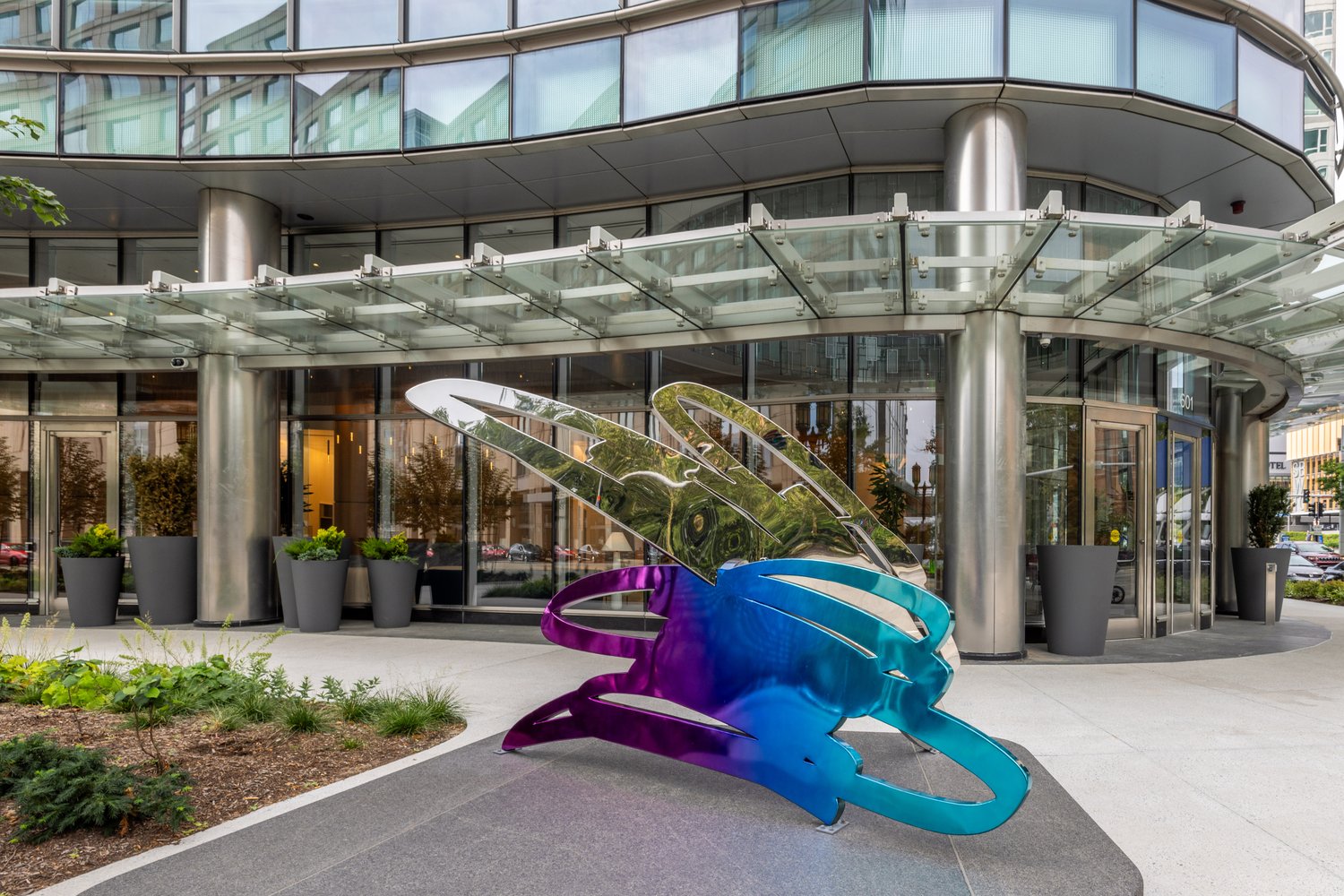
What Trends Are Shaping Commercial Real Estate Art Programs in 2026?
Portfolio-Wide Art Strategy
More developers are treating art as a standardized part of their capital planning process across an entire portfolio, rather than a discretionary decision made building by building.
Local Artist Prioritization
Properties are increasingly sourcing artwork from local artists to reflect regional identity, a trend that supports both authentic placemaking and community goodwill in the markets where developers operate.
Evidence-Based Justification
As placemaking and workplace research continues to quantify the impact of art on time spent, perception, and rent premiums, developers are using this data to justify art budgets internally alongside other capital improvements.
Flexible Commercial Models
Leasing and rotation programs are gaining ground over outright purchases, giving developers the ability to keep collections current across multiple properties without a large upfront capital outlay.
How TurningArt Supports Custom Artwork for Commercial Real Estate
TurningArt partners with commercial real estate developers and property owners to build custom art programs that scale across portfolios. From site-specific commissions to full turnkey curation, installation, and rotation, our Art Advisors manage the entire process so developers can offer tenants and visitors an experience that a comparable building down the street simply can't match.
Connect with an Art Advisor to learn how TurningArt can bring custom artwork into your next commercial real estate project.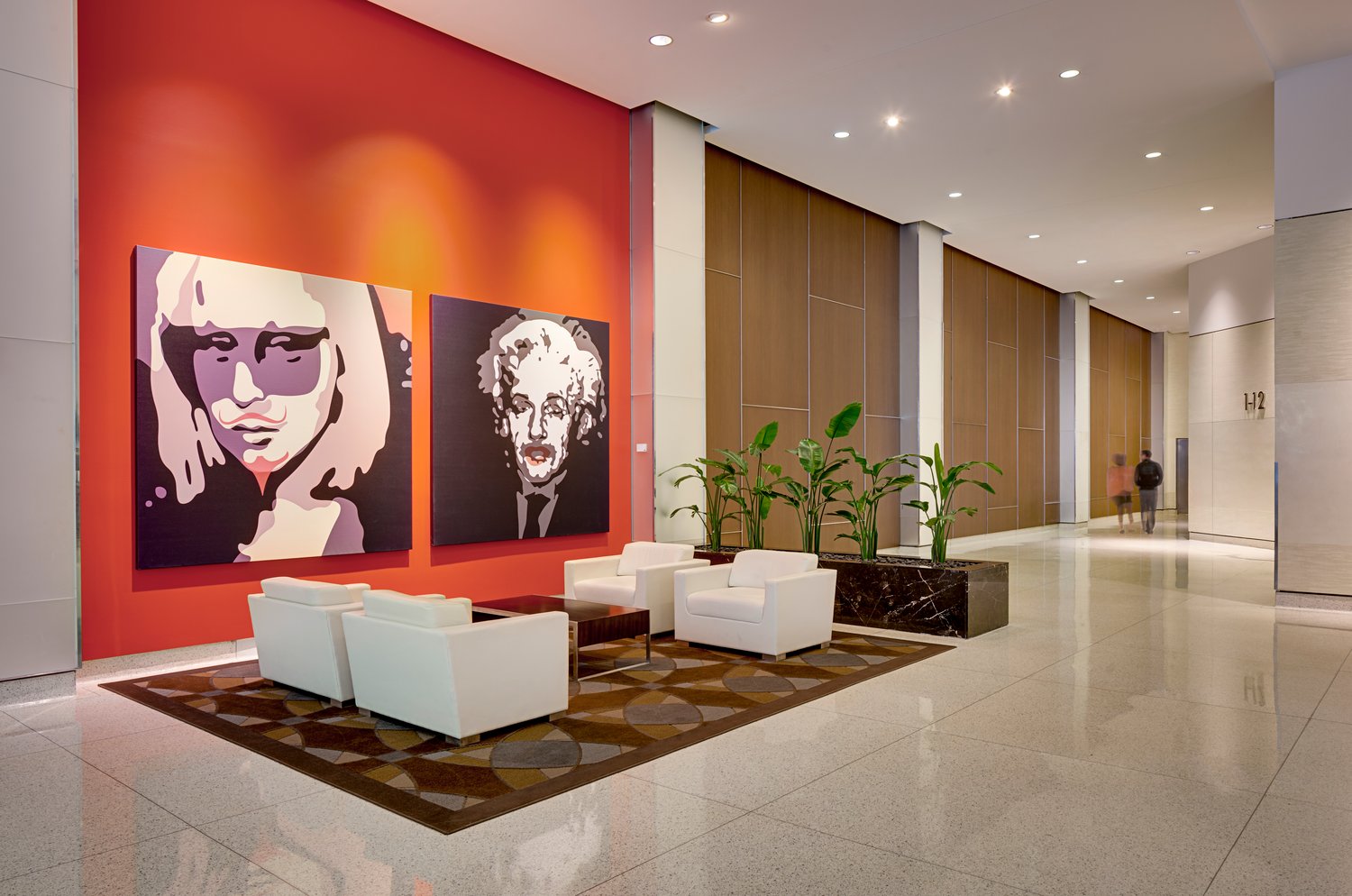
FAQs About Custom Artwork for Commercial Real Estate in 2026
What is commercial art consulting?
Commercial art consulting is a service that pairs developers and property owners with an art advisor who sources, commissions, and installs artwork tailored to a property's brand, tenant base, and physical space. It differs from general art advisory in its focus on how artwork functions within a commercial building rather than as part of a private collection.
How does custom artwork affect commercial real estate value?
Research indicates that properties within walking distance of well-designed public spaces can see up to 26% higher value, and mixed-use developments have carried a 25% rent premium over market averages since 2014. Custom artwork, as part of a broader placemaking strategy, has also been linked to increased time spent on-site and more positive perception of a property.
What is the difference between custom commissions and catalog artwork for CRE?
Custom commissions are created specifically for a property, responding to its architecture, sightlines, and brand identity. Catalog artwork is selected from an existing collection and can be a cost-effective option for secondary spaces, while commissions are typically reserved for high-visibility areas like lobbies and building entrances.
Should developers purchase or lease artwork for commercial properties?
Both models have a place in commercial real estate. Purchasing suits anchor pieces intended to stay with a property long-term, while leasing and rotation programs allow developers to refresh collections periodically and adjust as tenant profiles change, without a large upfront capital commitment.
How do developers select the right art consultant for a multi-property portfolio?
Look for experience managing portfolio-scale programs, a broad and geographically diverse artist network, turnkey logistics capability covering framing, shipping, and installation, and flexibility across purchase, lease, and commission models.
Connect with an Art Advisor below to learn more!

.jpg?width=332&height=177&name=_MG_0840%20copy%20(2).jpg)
.jpg?width=332&height=177&name=0046-Interior%20(4).jpg)
.jpg?width=332&height=177&name=dtBv_067_DSC_2139_DaNil%20(2).jpg)

.jpg?width=332&height=177&name=OraSeaport3_6%20(1).jpg)
