As daily life becomes saturated with digital consumption and interaction, trends are shifting to reflect a desire for authentic sensory experiences. In the contemporary commercial real estate landscape, the value proposition of physical space has shifted to prioritize its capacity for psychological and sensory restoration. These trends emerge as a response to the growing phenomenon known as Digital Fatigue (Watkins, 2024).
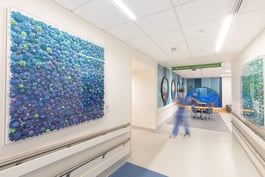
To address this, 2026 design strategies are adding tactile depth and signs of craftsmanship to daily spaces. This approach leverages physical art as a functional intervention to “re-humanize” the built environment.
Mitigating Digital Fatigue
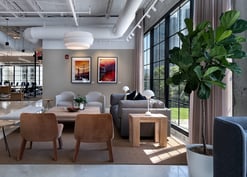
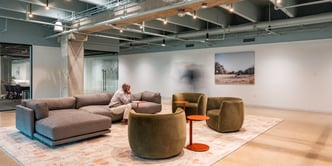
Current architectural design forecasts indicate a departure from stark minimalism. In its place emerges “minimalist maximalism,” a style that maintains structural simplicity while integrating high-texture materiality and elements of higher visual impact and interest (Xu et al., 2025; Gensler, 2025).
This trend is a direct response to Digital Fatigue, which research now defines as a state of cognitive and emotional exhaustion resulting from “excessive digital demands” and narrowed attention (Zhang, 2025). Digital devices channel our sensory experience into limited outlets, impairing emotional regulation. Art, especially tactile art, breaks this pattern by re-engaging our embodied perception, recognizing that the mind is not separate from the body. Additionally, it strengthens one’s connection with the present moment through physical materiality (Watkins, 2024).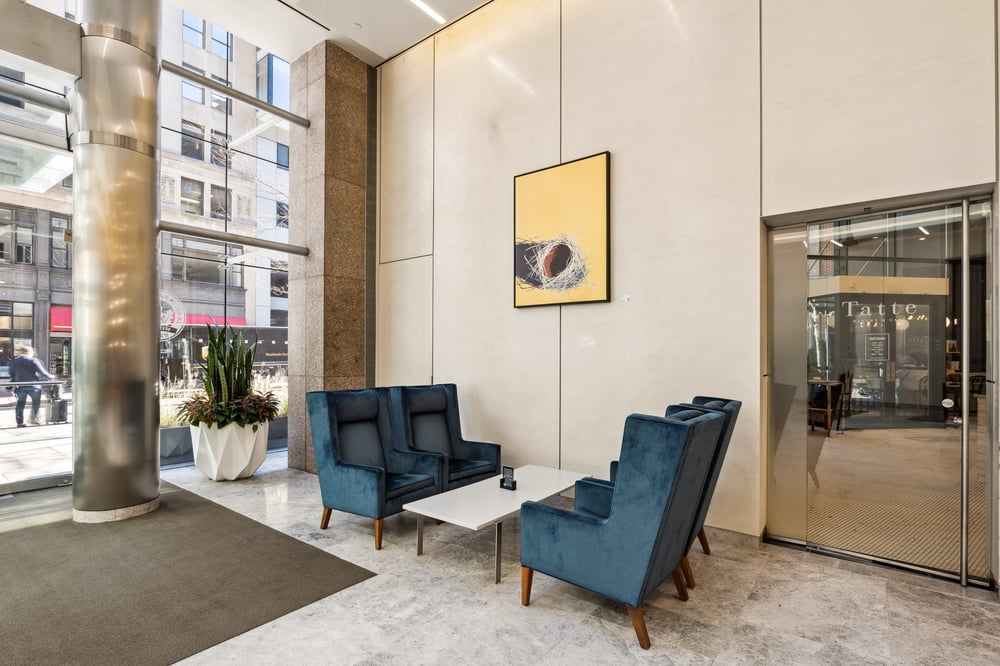
The Science
While high-resolution LED walls were a dominating trend for public spaces in the early 2020s, tenants in 2026 are seeing spaces that offer true physiological restoration. Research in neuroaesthetics (the study of how the brain processes beauty) shows that our brains do not separate information from the physical environment; we experience what we perceive directly (Christensen et al., 2025).
New clinical research from The Courtauld (2025) reveals that viewing physical art triggers a simultaneous activation of the immune, endocrine, and autonomic nervous systems. Participants viewing official art saw a 22% drop in cortisol (stress hormone) compared to only 8% for those viewing digital media. This suggests that the physical texture of an artwork stimulates the body and mind in a way that digital sources cannot.
Boosting Asset Value Through Materiality and Wellbeing
Integrating tactile materiality, such as through visual art, is increasingly recognized as a tool for enhancing Perceived Quality (PQ) as a leading indicator for asset valuation. Visual depth and diversity in public-facing spaces, such as lobbies, contribute to a significant increase in the subjective value of a property. Additionally, the World Green Building Council (2025) emphasizes that socially productive buildings must prioritize a multi-sensory design to improve occupant health and mental well-being. This also protects the long-term value of the asset.
By incorporating natural textures and elements, developers leverage biophilic design principles, which can boost occupant wellbeing by approximately 15%. (Tekin, 2025). By adding color, texture, and personality, tactile art transforms spaces into engaging environments that attract and retain users.
Cultivating "Social Infrastructure" and Asset Identity
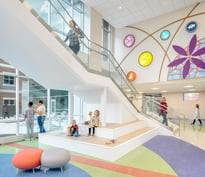
The most successful CRE assets in 2026 are predicted to be those that function as social infrastructure. These are spaces that connect with and strengthen the social fabric of a community. Art can serve as a critical tool in connecting a space to its surroundings, facilitating conversation, representing community identities, and showcasing the work of local artists (Work Design Magazine, 2025).
Unlike the passive observation allowed by digital screens, art fosters an attachment to place. Developers who incorporate intentionally curated art create authentic, layered environments while building stronger community ties and a distinctive brand identity. This approach not only differentiates a property in a crowded market but also correlates with increased tenant loyalty and retention.
Engagement with local artist economies is a recognized indicator of social value, which has been shown to positively influence an occupant’s “Willingness to Pay” (Liu, 2025). Furthermore, utilizing an artwork lease and rotation model allows for this cultural investment to maintain aesthetic flexibility and financial efficiency (JLL, 2025).
How TurningArt Can Help
With digital fatigue on the rise, the 2026 design forecast underscores a necessary transition toward rehumanizing the built environment. These research-backed trends emphasize that thoughtfully curated details, such as art programs, are strategic tools for mitigating the effects of digital fatigue and enhancing asset value. At TurningArt, we provide an informed artwork solution that seamlessly integrates these neurophysiological benefits and community connections directly into a property.
Our strategic art programs are specifically designed to invest in a property’s ability to foster place attachment and social connectivity. Our art advisors work with your team to curate collections that emphasize depth and original craftsmanship, speaking directly to the unique identity of your building and its community. 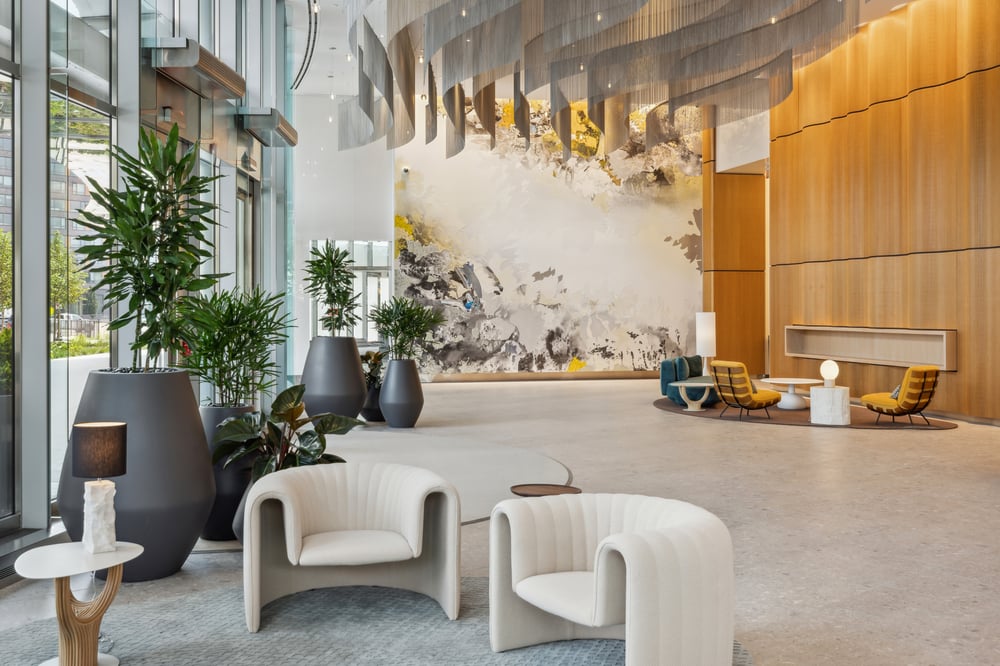

Connect with an Art Advisor below to learn more!

.jpg?width=332&height=177&name=_MG_0840%20copy%20(2).jpg)
.jpg?width=332&height=177&name=dtBv_067_DSC_2139_DaNil%20(2).jpg)