Healthcare design has increasingly embraced the role of the physical environment in supporting patient comfort, recovery, and overall experience. But the people delivering that care spend long hours navigating the same environments, often under demanding conditions that place sustained pressure on their physical and mental wellbeing.
For healthcare organizations, supporting staff experience is closely connected to the ability to provide consistent, high-quality care. Yet staff areas such as break rooms, nursing stations, administrative spaces, and other operational environments have not always received the same level of design consideration as patient-facing spaces.
As healthcare systems continue to confront burnout and retention challenges, the built environment offers an opportunity to support the people who make care possible. Thoughtfully designed staff spaces can provide moments of restoration, reduce environmental stressors, and create workplaces that better respond to the realities of healthcare work.
The Challenge: Healthcare Provider and Staff Burnout
Burnout is defined as exhaustion and frustration from workplace demands, such as overwhelming workloads and insufficient support (Dima, 2025). As of 2026, approximately 42% of healthcare workers report experiencing burnout. While this is an improvement over the 62.8% reported at the height of the COVID-19 pandemic in 2021, rates remain considerably higher than pre-pandemic levels of approximately 30% (AMA, 2026).
Workforce projections demonstrate the longer-term implications of these conditions. Nearly 40% of registered nurses plan to leave the workforce or retire within the next five years, and 41.5% of those nurses cite stress and burnout as contributing factors (NCSBN, 2025). For healthcare organizations already navigating staffing pressures, burnout therefore extends beyond individual employee well-being. It can influence retention, organizational stability, and healthcare teams’ ability to deliver consistent, high-quality care.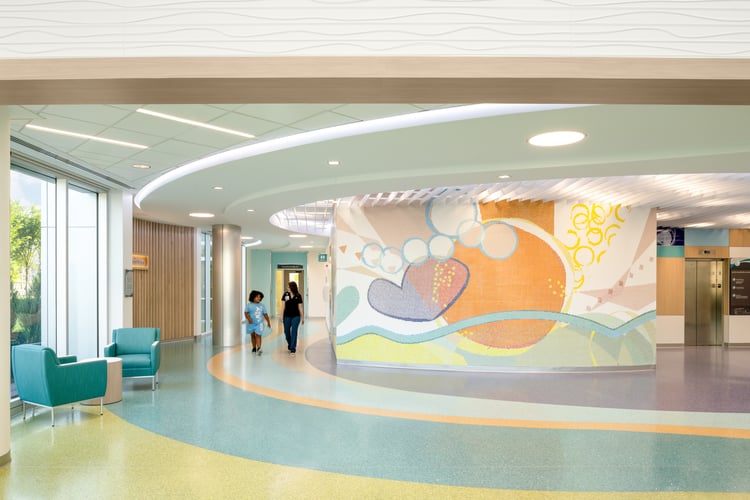
The Impact on Patient Care
Healthcare staff experience and patient experience are closely connected, as heightened stress and professional fatigue are directly associated with increased medical errors, weakened communication with patients, and reduced patient trust in the healthcare system (Dima, 2025).
Retention presents another challenge. Disengaged healthcare employees are 1.7 times more likely to leave their organizations (Press Ganey, 2025). When experienced staff members leave, healthcare systems must manage the costs and operational demands of recruitment and training while remaining responsive to patient needs.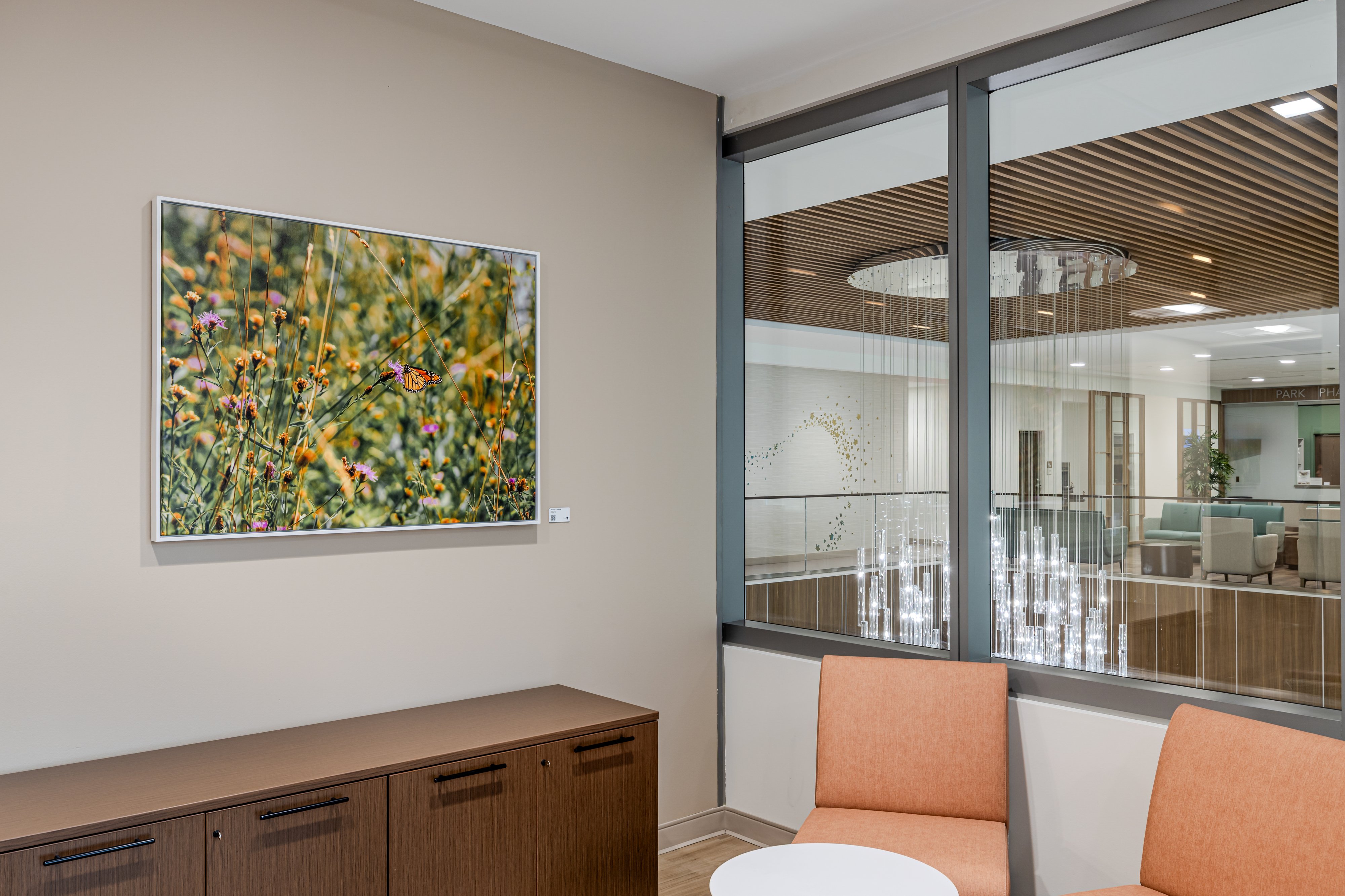
Supporting Staff Well-Being Through Design
Healthcare professionals experience care facilities differently from patients and visitors. Their days are shaped by repeated movement between spaces, periods of intense concentration, frequent interruptions, and limited opportunities to step away from clinical responsibilities. Designing for staff wellbeing therefore requires considering how the environment supports these daily patterns and offers opportunities for restoration.
A 2026 study of nurses and physicians found significant relationships between the physical characteristics of hospital environments and staff mental health. Factors including spatial organization, ease of movement, scale and proportions, and the overall visual quality of the environment were associated with outcomes such as feelings of security, happiness, belonging, social connection, and peace (Keyvani et al., 2026).
These findings point toward a broader understanding of staff-centered healthcare design and how a thoughtfully planned environment can shape how demanding the workplace feels. Recent healthcare design guidance has similarly emphasized factors such as proximity, movement, acoustics, access to daylight, and opportunities for both focused work and collaboration when planning environments for caregivers (Williams & Johnson, 2026).
Creating Restorative Spaces
For healthcare workers moving through long or demanding shifts, even brief opportunities to mentally reset can be meaningful. Research into staff perceptions of healthcare environments found that access to nature and visual connections to natural elements helped alleviate mental fatigue. For example, natural light and interior plants and greenery were associated with greater comfort, perceived air quality, and emotional ease (Shetty et al., 2026).
As part of the same research, color emerged as a primary factor impacting how staff experience a space. Common associations between color schemes and psychological states were:
- Softer and balanced color palettes: improved concentration and reduced stress during high-pressure tasks
- Dull or neutral color palettes: alleviated feelings of fatigue and boredom
- Vibrant colors: increased motivation and engagement levels (Shetty et al., 2026).
The takeaway is less about identifying a single "best" color palette and more about how the visual environment can support the purpose of a space. Areas intended for focused work may require a different visual experience from spaces intended for decompression, collaboration, or transition between tasks.
Art programs are a scalable strategy for shaping the way staff, patients, and visitors experience a care environment. While healthcare art programs are frequently discussed in relation to patient experience, their potential impact extends to the employees who encounter these spaces every day. In a 2025 survey of healthcare arts programs, only 42% of participating organizations reported staff benefits as a primary reason for their programs. (Cardillo et al., 2025). This gap highlights an opportunity for modern healthcare organizations to evolve their design practices, strengthening the caregiver experience and promoting excellence in patient care. 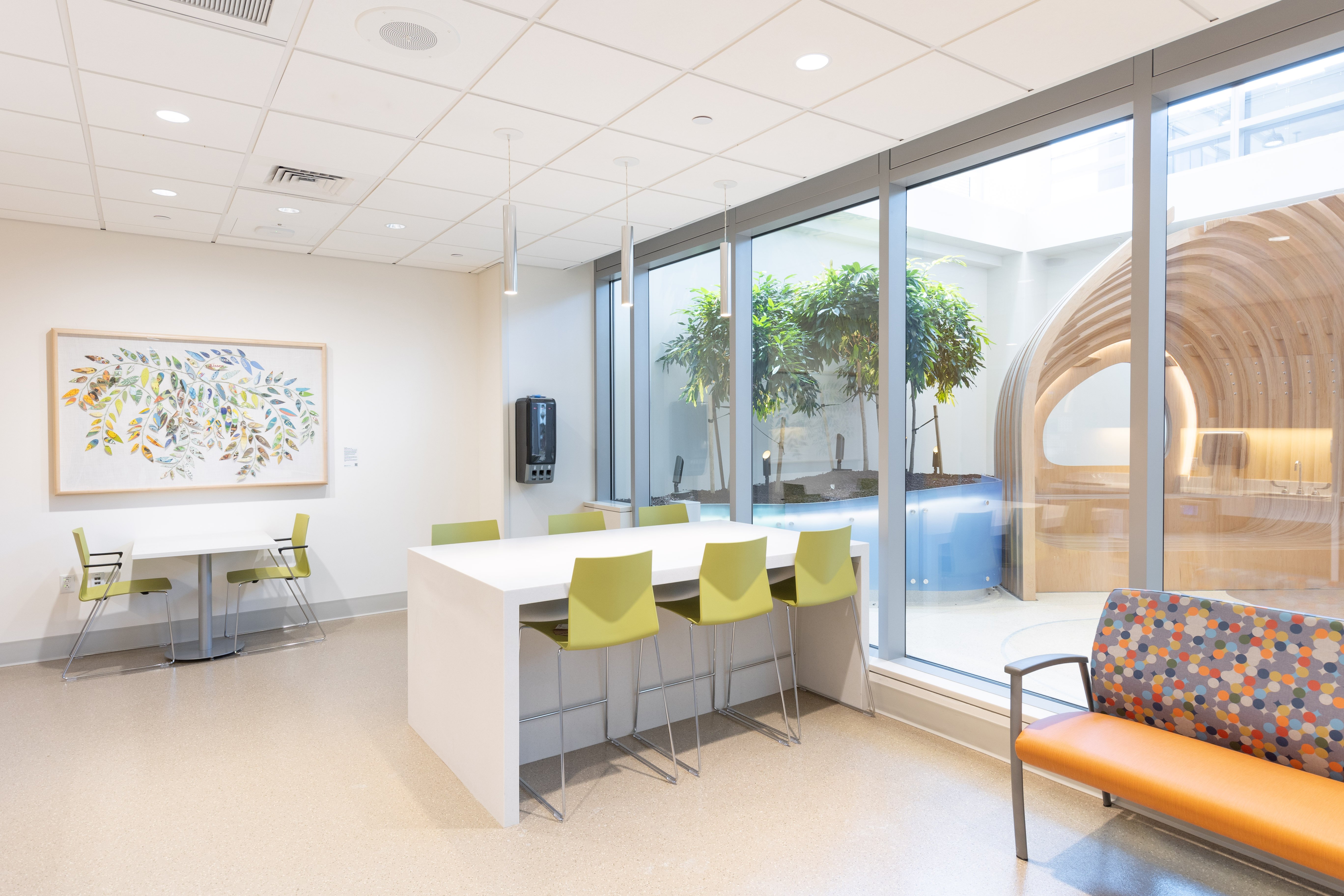
A Long-Term Investment
Investments in staff-centered design can also contribute to the long-term performance of healthcare facilities.
The "Fable Hospital" model explores the potential financial impact of incorporating evidence-based and regenerative design strategies into a hypothetical hospital. An additional upfront investment of approximately $25–30 million, or roughly 3% of total construction costs, was projected to generate more than $100 million in financial benefit during the hospital's first ten years of operation (Dias et al., 2025).
The model incorporates 20 design strategies, including biophilic design and community integration, and estimates annual savings of approximately:
- $7.25 million from reduced inpatient stay
- $1.0 million from reduced medical errors
- $1.2 million from improved staff retention (Dias et al., 2025)
While the model is hypothetical, it illustrates how design decisions can have implications well beyond aesthetics. When healthcare organizations consider how spaces affect the people working within them, investments in design can support workforce goals alongside patient experience and care outcomes.
How TurningArt Can Help
At TurningArt, we understand that the most effective healthcare environments are those that thoughtfully support patients, families, and staff. Our dedicated team of Art Advisors partners closely with healthcare organizations, architects, and designers to curate art collections that enhance the patient and caregiver experiences, reinforce brand values, and support evidence-based care and design strategies. By selecting artwork that aligns with local identity and care goals, we help create welcoming, restorative environments that support both patient and staff well-being.
Connect with an Art Advisor below to learn more!

.jpg?width=332&height=177&name=0046-Interior%20(4).jpg)
.jpg?width=332&height=177&name=_MG_0840%20copy%20(2).jpg)
.jpg?width=332&height=177&name=dtBv_067_DSC_2139_DaNil%20(2).jpg)