From corporate headquarters and hospitality spaces to healthcare facilities and multifamily developments, artwork plays an essential role in shaping the experience of a commercial interior.
For architecture and interior design firms, however, finding the right artwork can be one of the most time-consuming parts of a project. Balancing client expectations, design intent, budgets, timelines, and installation logistics requires more than just curating pieces. A structured approach to artwork sourcing for commercial projects helps design teams streamline decision-making, maintain project schedules, and deliver spaces that feel cohesive and intentional.
This guide walks through each stage of the sourcing process, from the initial client brief to final installation, and highlights what to look for in an art advisory partner.
What Is Artwork Sourcing for Commercial Projects?
Artwork sourcing for commercial projects is the process of identifying, curating, procuring, producing, and installing artwork that complements the goals of a commercial interior.
Unlike residential art selection, commercial projects often require artwork that meets specific design, budgetary, operational, and compliance requirements across multiple spaces or locations. Professional art advisory services help architecture and interior design firms manage this process while ensuring artwork aligns with the overall design vision.
Depending on the project, artwork sourcing may include:
- Developing an art strategy
- Creating curated artwork collections
- Commissioning original artwork
- Licensing artwork for reproduction
- Managing production and framing
- Coordinating procurement
- Overseeing installation
- Supporting multi-site rollouts
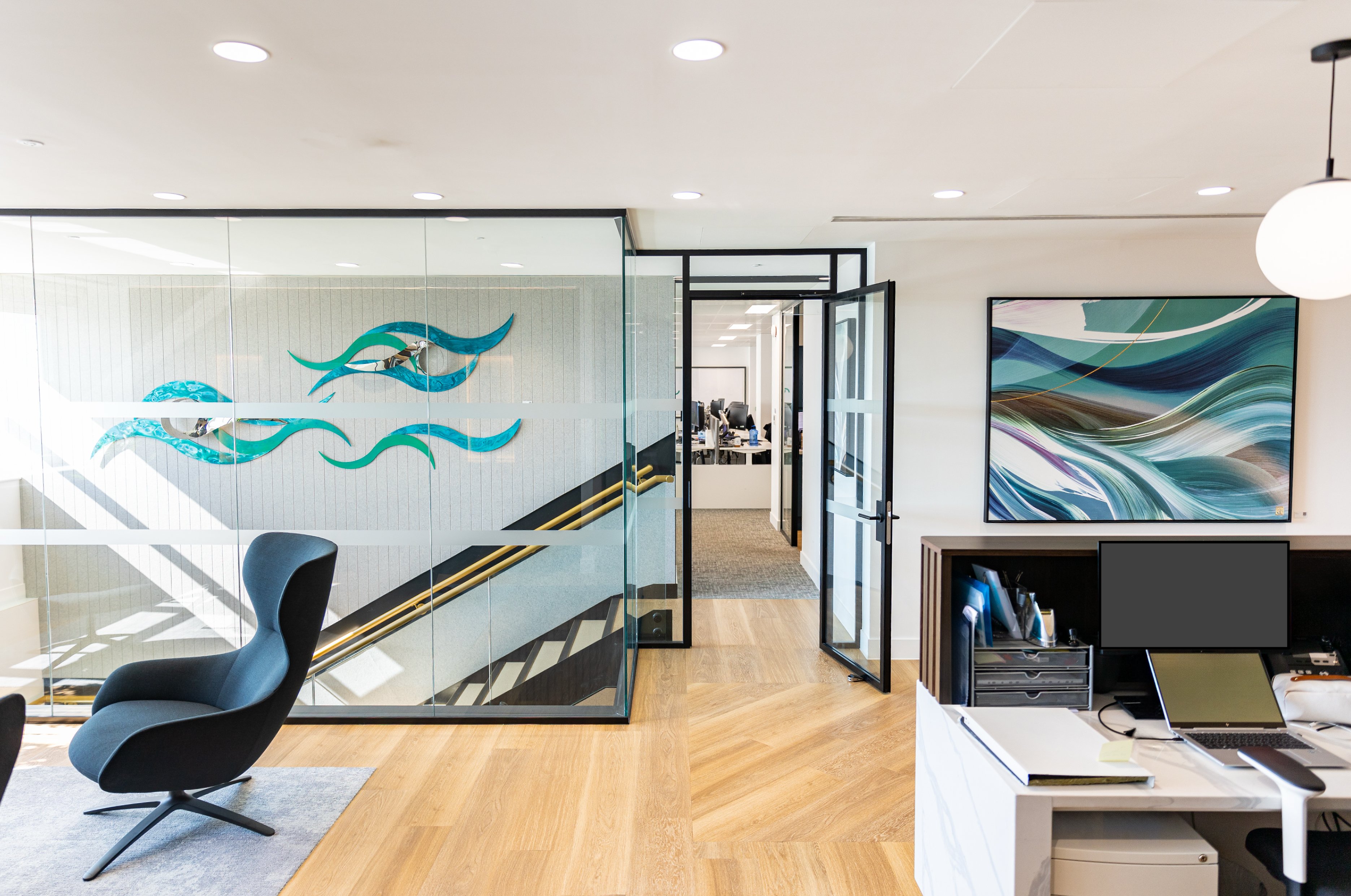
A Step-by-Step Guide to Artwork Sourcing for Commercial Projects
Every project is different, but successful commercial artwork programs typically follow the same core process.
Step 1: Define the Project Goals
Before reviewing artwork, establish the project's objectives.
Questions to answer include:
- What experience should the space create?
- Who will use the environment?
- How should artwork reflect the client's brand or mission?
- Are there regional or cultural considerations?
- Is the artwork intended to make a statement or support the overall design?
For larger commercial developments, this discovery phase often includes meetings with clients, architects, interior designers, facilities teams, and other stakeholders.
Step 2: Establish a Budget and Timeline
Artwork should be considered early in the design process, not after furniture, finishes, and construction decisions have been finalized.
Planning ahead allows teams to account for:
- Artwork production
- Custom commissions
- Framing
- Shipping
- Installation
- Contingency costs
Building artwork into the project schedule also reduces the risk of installation delays near project completion.
Step 3: Determine Whether Custom Artwork Is Needed
Not every project requires commissioned artwork, but many commercial environments benefit from original pieces created specifically for the space.
Custom art for architecture firms can include:
- Large-scale paintings
- Photography collections
- Murals
- Sculptural installations
- Mixed-media artwork
- Site-specific commissions
Original artwork can reinforce branding, celebrate local communities, or create signature moments that distinguish a project from similar spaces. An experienced art advisor can help determine when custom artwork adds value and when curated existing work may be the better solution.
Step 4: Curate Artwork That Supports the Design Vision
Artwork should enhance the architecture and interior design elements, not compete with it.
When developing recommendations, consider:
- Color palette
- Materials and finishes
- Lighting conditions
- Scale
- Sightlines
- Wayfinding
- Placemaking
- User experience
- Brand identity
Rather than evaluating individual pieces in isolation, view the artwork collection as part of the overall design narrative. Digital renderings and placement mockups can help clients visualize how artwork will function throughout the space before final approvals.
Step 5: Manage Artwork Procurement
Once artwork has been approved, attention shifts to logistics.
Effective artwork procurement for interior designers includes:
- Artist coordination
- Licensing agreements
- Production management
- Printing
- Custom framing
- Shipping
- Quality assurance
Coordinating these details through a single partner helps reduce administrative burden while keeping projects on schedule.
Step 6: Coordinate Installation
Installation is the final step, and one of the most important.
Professional installation teams account for:
- Construction schedules
- Building access
- Security requirements
- ADA considerations
- Hanging standards
- Protection of finished interiors
- Final artwork placement
For projects spanning multiple locations, standardized installation procedures help ensure consistency across every site.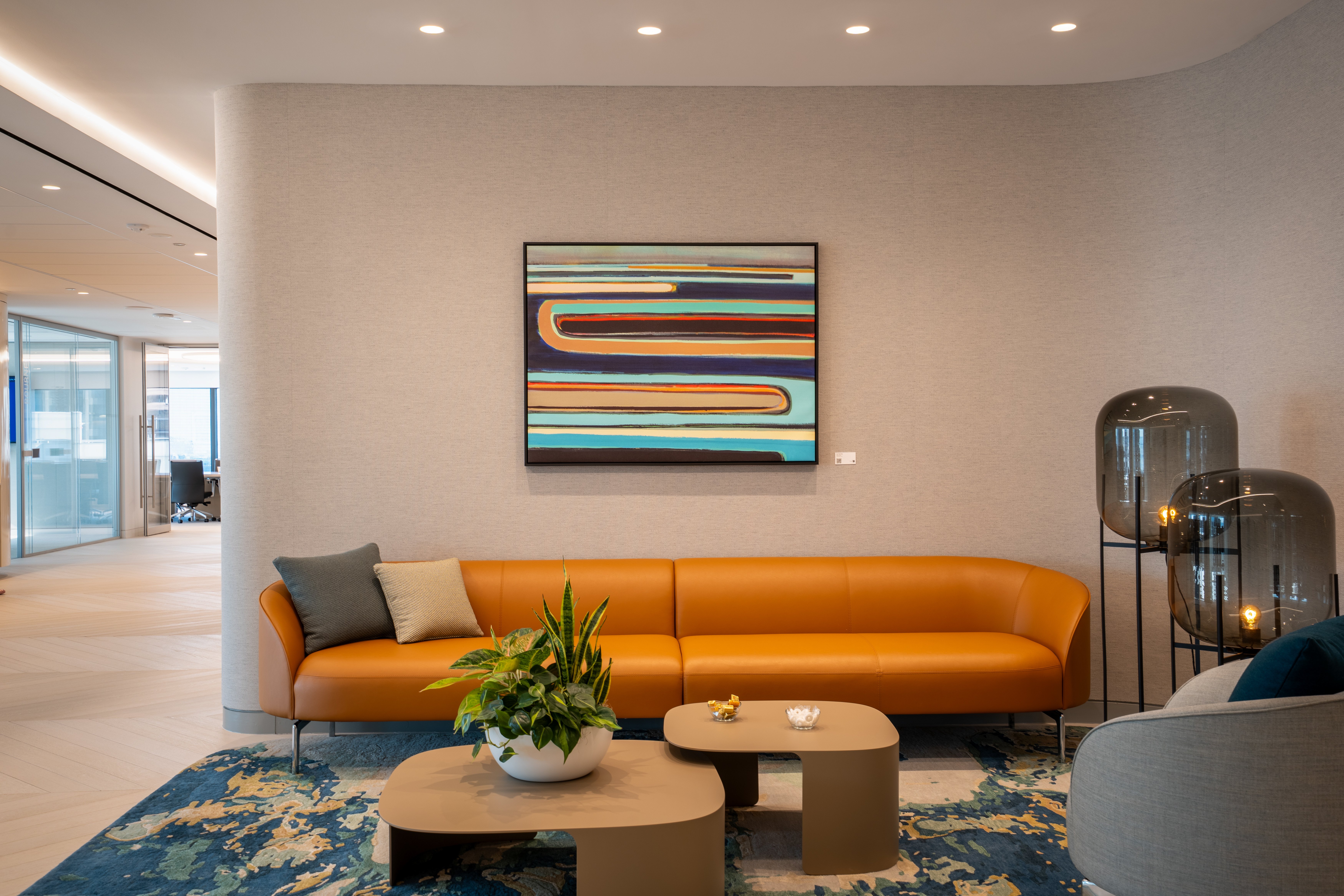
Should You Work with an Art Advisory Partner?
Many architecture and interior design firms choose to collaborate with external art advisors rather than manage sourcing internally.
Professional art advisory services can provide:
- Access to thousands of artists
- Curated artwork recommendations
- Custom commissions
- Procurement management
- Production oversight
- Nationwide installation support
- Ongoing collection management
This allows design teams to stay focused on the broader project while ensuring artwork receives the same level of attention as every other design element.
Best Practices for Commercial Artwork Acquisition
Whether you're designing a boutique office or a national portfolio, these best practices can improve project outcomes:
- Begin artwork planning during early design phases.
- Align artwork with the client's goals, culture, and brand.
- Balance original commissions with curated collections where appropriate.
- Consider maintenance, durability, and long-term ownership.
- Use digital mockups to streamline client approvals.
- Partner with experienced advisors who can manage procurement and installation.
A thoughtful approach to commercial artwork acquisition helps create spaces that feel cohesive while minimizing delays and unexpected costs.
Frequently Asked Questions
What is artwork sourcing for commercial projects?
Artwork sourcing for commercial projects is the process of planning, selecting, procuring, producing, and installing artwork for commercial environments such as offices, hotels, healthcare facilities, and multifamily properties.
When should artwork be selected during a commercial project?
Artwork planning should begin during the design phase so budgets, production timelines, and installation can be coordinated with the overall project schedule.
What is the difference between artwork sourcing and artwork procurement?
Artwork sourcing focuses on identifying and curating appropriate artwork, while procurement involves purchasing, producing, framing, shipping, and coordinating delivery of approved pieces.
Do architecture firms use custom artwork?
Yes. Many firms incorporate custom artwork to reflect a client's brand, create site-specific experiences, celebrate local communities, or develop signature spaces that distinguish a project.
Why work with an art advisory service?
Art advisors simplify the sourcing process by managing curation, artist relationships, procurement, production, logistics, and installation, helping design teams deliver high-quality projects more efficiently.
Bringing Commercial Design Projects to Life Through Art
Successful commercial interiors tell a complete story, and artwork is often what connects the architecture, interior design, and brand experience.
By establishing a clear strategy, involving artwork early in the design process, and partnering with experienced advisors, architecture and interior design firms can deliver spaces that are visually compelling, functional, and memorable.
At TurningArt, our Art Advisors work alongside architects, interior designers, and commercial real estate teams to source curated and custom artwork for projects of every scale. From concept development through procurement, installation, and ongoing collection management, we help simplify B2B art sourcing while creating artwork programs that elevate every space.
Connect with an Art Advisor below to learn more!
.jpg?width=332&height=177&name=_MG_0840%20copy%20(2).jpg)
.jpg?width=332&height=177&name=0046-Interior%20(4).jpg)
.jpg?width=332&height=177&name=dtBv_067_DSC_2139_DaNil%20(2).jpg)
.jpg?width=332&height=177&name=OraSeaport3_6%20(1).jpg)
