Quick guide: 8 multifamily art consultants for developers and design teams
- TurningArt: Turnkey art curation, installation, and rotation for multifamily properties nationwide
- NINE dot ARTS: Art consulting with neighborhood-driven creative placemaking focus
- Indiewalls: Artist-direct commissioning for hospitality and multifamily projects
- Art + Artisans: Commercial art consulting for Texas-based multifamily developments
- Kevin Barry Art Advisory: Regional gallery network serving hospitality and residential sectors
- SLATE Art Consulting: Budget-conscious collections for Bay Area corporate and residential clients
- Chandra Cerrito Art Advisors: Healthcare-focused art programs with multicultural emphasis
- ArtStar: Print and photography collections for apartment and residential developments
How we chose multifamily art consultants for 2026
Selecting an art consultant for a multifamily or mixed-use development should be more involved than just browsing portfolios. Developers and property design teams need partners who understand the how resident experience, brand identity, and operational efficiency intersect.
Research from Stanford Business School indicates that 90 to 95 percent of human decisions are unconsciously shaped by emotion. When prospective residents walk through a lobby or pool deck, the art they encounter directly influences their perception of value. The right art consultant can translate that emotional impact into measurable outcomes like faster lease-ups, higher retention rates, and premium rent positioning.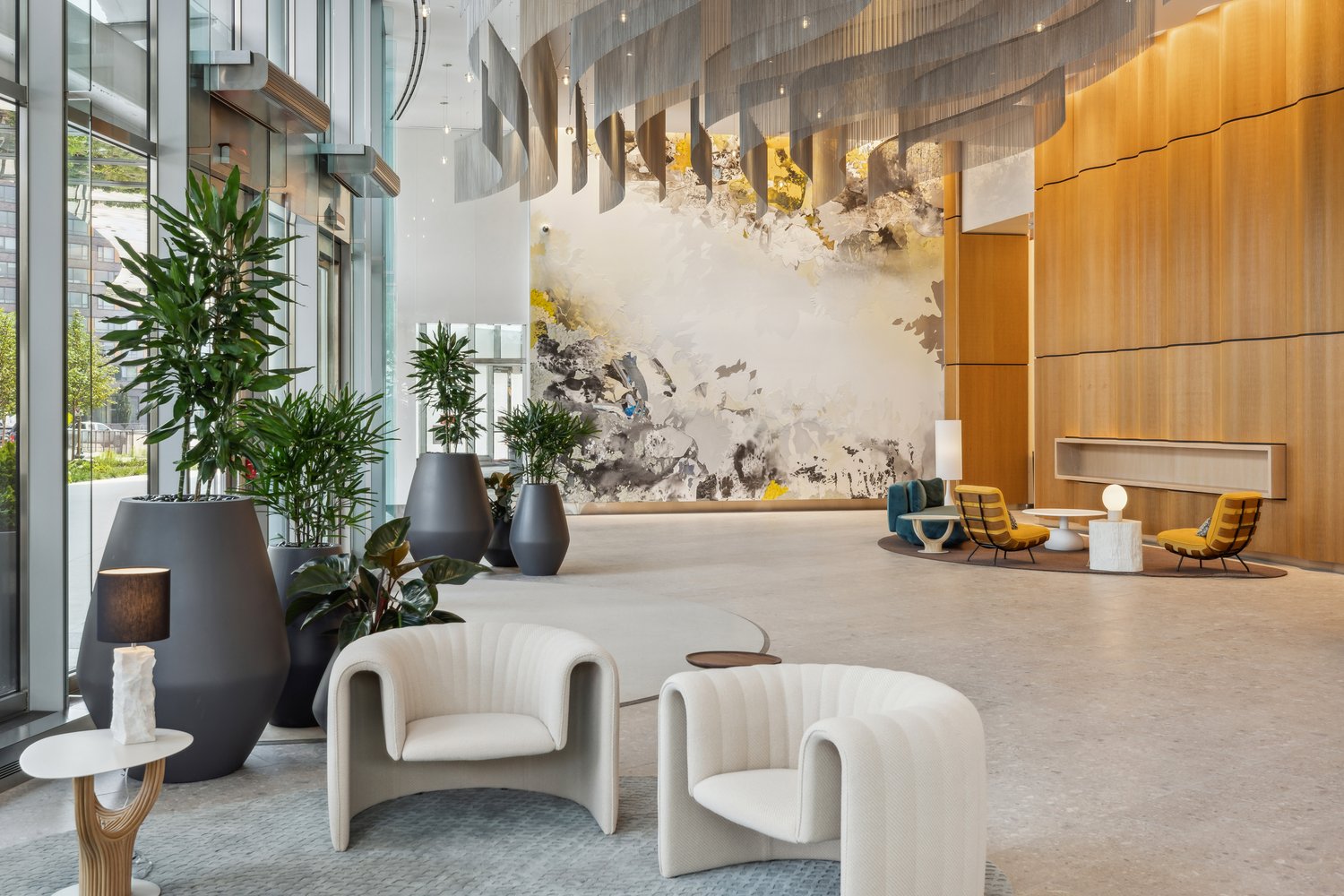
The consultants were evaluated based on these criteria:
- Multifamily specialization: Experience working specifically with apartment communities, condominiums, and mixed-use residential projects where resident experience drives leasing success
- Local artist networks: Access to regional artists who can create site-specific work reflecting neighborhood character and community identity
- Turnkey execution: Full-service capabilities from initial curation through installation and ongoing rotation or collection management
- Scalability: Ability to execute national programs across multiple properties while maintaining consistent brand aesthetics
- Budget flexibility: Options spanning from original commissions to curated print programs that work within different development budgets
- Design team integration: Willingness to collaborate early in the process alongside architects, interior designers, and developers
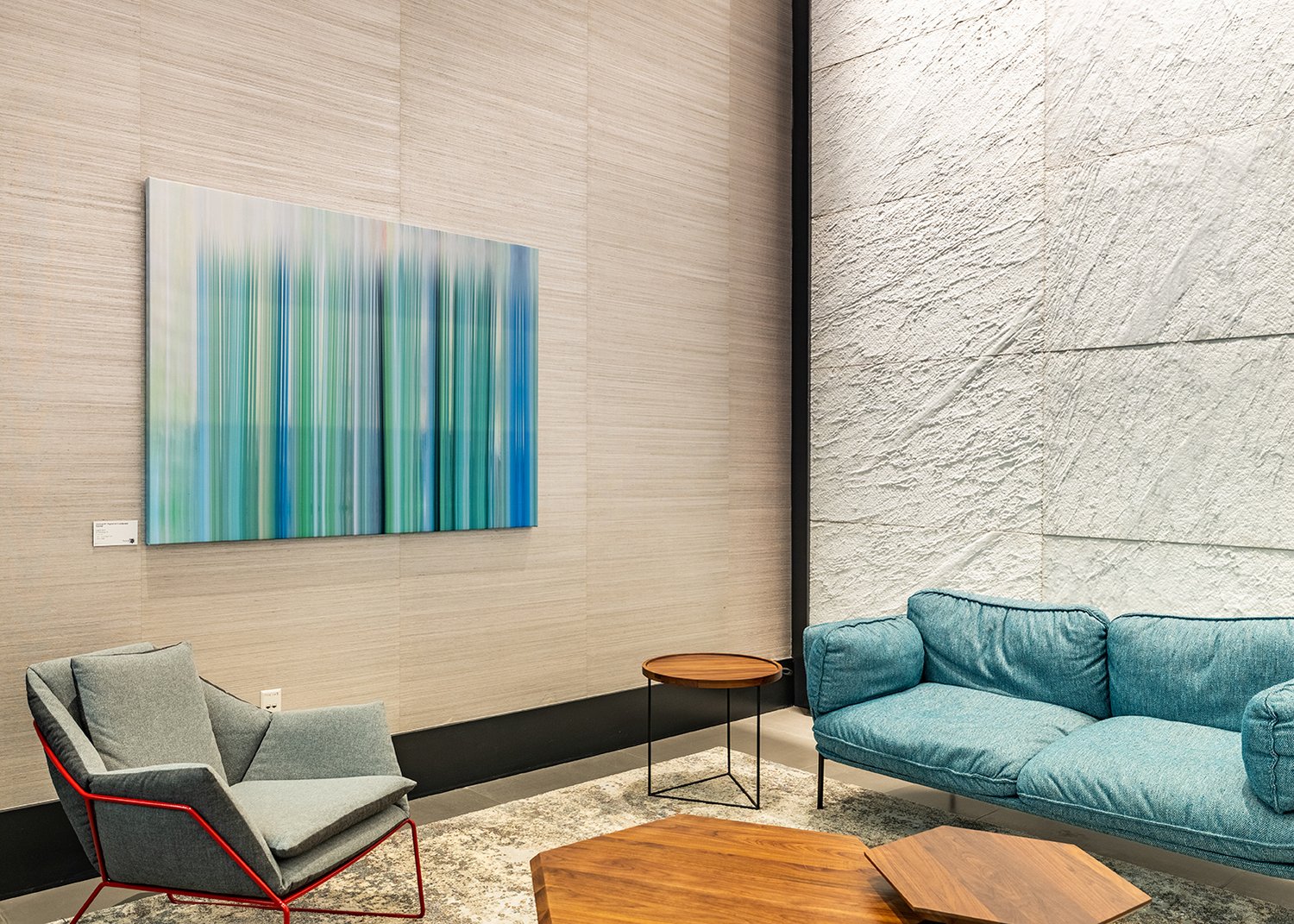
The 8 multifamily art consultants for developers and design teams
1. TurningArt: The premier choice for turnkey multifamily art programs
TurningArt combines evidence-based design principles with a nationwide network of over 4,000 local artists to create art programs that distinguish multifamily properties from cookie-cutter competition. Design ranks among the most influential non-price factors in how renters evaluate a home, and TurningArt builds collections that strengthen resident experience at every touchpoint.
At TurningArt, we partner with multifamily developers at every stage of the process, from initial concept through installation and ongoing rotation. The company assigns a dedicated Art Advisor to each project, ensuring that collections reflect both brand identity and local community character. This approach transforms common areas into destinations that foster connection and drive resident loyalty.
TurningArt's annual art rotation program keeps properties feeling dynamic for diverse tenant populations. Spaces that feel intentional and community-rooted command higher rents and longer lease terms. TurningArt delivers that outcome through curated collections tailored to each property's unique positioning.
TurningArt features
- Catalog of over 100,000 artworks: Access original paintings, prints, commissions, and sculpture installations sourced from working artists across the country, giving you options for every budget and aesthetic direction
- Dedicated Art Advisor: Your assigned advisor manages the entire program, from initial curation to final installation, so your team can focus on other development priorities
- Custom voting tool: Engage residents or property teams in artwork selection through an interactive voting platform that builds community investment in the final collection
- Flexible program options: Combine purchase, commission, lease, and rotation options to create art programs that align with capital expenditure and operational budgets
- Nationwide installation: TurningArt handles framing, shipping, and professional installation across all your properties, regardless of location
- Local artist sourcing: Collections feature artwork from artists in the communities where your properties are located, creating authentic sense of place
TurningArt pros and cons
Pros:
- Turnkey service handles everything from curation to installation and rotation, reducing burden on property management teams
- Art rotation programs keep lobbies, amenity spaces, and corridors fresh without requiring new capital investment
- Evidence-based approach connects art selection to measurable resident experience outcomes
Cons:
- Rotation programs require ongoing coordination between property teams and Art Advisors, though TurningArt manages most logistics
- Properties in smaller markets may have fewer local artists available in the network, though TurningArt sources regionally when needed
- Custom commissions involve longer lead times than selecting from existing catalog inventory, which may affect tight development schedules
2. NINE dot ARTS: Neighborhood-focused creative placemaking
NINE dot ARTS approaches multifamily art consulting through the lens of creative placemaking, working closely with development teams to understand the personality of residents and the vision for each property. The Denver-based firm has completed projects for clients including Quarterra, CMK Companies, and Cupola LLC.
The firm creates custom art experiences that honor neighborhood character and generate goodwill within local communities. Projects like Citizen Apartments in Denver and Kenect Apartments in Nashville demonstrate the firm's ability to create art collections that span multiple floors and amenity spaces.
NINE dot ARTS features
- Industry-specific focus: Dedicated multifamily practice with experience across apartment communities, townhomes, and condominiums
- Mural and installation capabilities: Large-scale exterior and interior murals that create property-defining focal points
- Regional presence: Projects primarily concentrated in Western and Southern markets including Denver, Seattle, Nashville, and Savannah
NINE dot ARTS pros and cons
Pros:
- Deep focus on multifamily sector with published case studies and industry thought leadership
- Creative placemaking approach distinguishes properties from competitors in the same submarket
- Podcast and resource library helps clients understand the connection between art and resident satisfaction
Cons:
- Geographic concentration in specific regions may limit availability for East Coast or Midwest projects
- Large-scale mural projects require significant lead time during design development phases
- Focus on custom work means limited catalog options for properties needing faster turnaround
3. Indiewalls: Artist-direct commissioning for multifamily developments
Indiewalls operates from Brooklyn, New York, and focuses on connecting development teams directly with artists for commissioned work. The firm has completed multifamily projects including Straits Row in Chicago, FoundryLine in Denver, and Haus 25 in Jersey City.
The company emphasizes authentic storytelling through art, sourcing real artists with documented creative practices. Indiewalls manages projects from consultation through installation, working with developers across hospitality, workplace, and residential sectors.
Indiewalls features
- Commission-forward model: Emphasis on original artwork created specifically for each project rather than reproductions
- Multi-sector experience: Portfolio spans hospitality, workplace, and multifamily, offering cross-pollination of ideas
- National project scope: Completed work from New York to Denver to Miami and internationally
Indiewalls pros and cons
Pros:
- Artist-direct relationships create opportunities for unique, site-specific commissions
- Experience with brands like Virgin Voyages and Amazon demonstrates capability for complex projects
- Full installation and project management services included
Cons:
- Commission-focused approach may not suit projects requiring quick turnaround with existing inventory
- Limited information available about art rotation or ongoing collection management services
- Portfolio weighted toward hospitality may require adjustment for purely residential contexts
4. Art + Artisans: Texas-focused commercial art consulting
Art + Artisans operates from Austin, Texas, with a portfolio concentrated in Sunbelt markets. The firm has completed projects for properties including The Independent in Austin, Selene Luxury Residences in Dallas, and student housing developments near University of Texas and Texas State University.
The firm approaches art as an "amenity activator," positioning curated collections as tools for driving tenant loyalty and lease-up velocity. Art + Artisans publishes industry research connecting art installation to measurable property performance outcomes.
Art + Artisans features
- Regional specialization: Concentrated expertise in Texas and Sunbelt multifamily markets
- Research-backed approach: Published content connecting art to tenant satisfaction and retention metrics
- Student housing experience: Portfolio includes multiple university-adjacent residential projects
Art + Artisans pros and cons
Pros:
- Deep understanding of Texas and Sunbelt rental markets and tenant preferences
- Experience activating amenity spaces beyond lobbies, including pools and co-working areas
- Published thought leadership demonstrates commitment to measurable outcomes
Cons:
- Geographic focus may limit availability for projects outside Sunbelt region
- Smaller firm scale compared to national consultancies
- Limited information about rotation or collection refresh programs
5. Kevin Barry Art Advisory: Regional gallery network
Kevin Barry Art Advisory operates galleries in San Francisco, Los Angeles, and Las Vegas, with over 25 years of experience sourcing art for hospitality, healthcare, corporate, and multifamily residential projects. The firm works with interior designers, architects, and developers on full-service art consulting.
KBAA serves the Bay Area market from its San Francisco gallery at 101 Henry Adams Street, focusing on creating environments that feel complete through thoughtful art integration. Services include art sourcing, custom commissions, installation, and ongoing collection management.
Kevin Barry Art Advisory features
- Gallery presence: Physical locations in three Western markets allow clients to view work in person
- Multi-sector experience: Work spans hospitality, healthcare, corporate, and residential projects
- Established tenure: Over two decades of experience in the art consulting industry
Kevin Barry Art Advisory pros and cons
Pros:
- Physical galleries allow developers to view work before committing
- Multi-sector experience brings varied perspective to multifamily projects
- West Coast presence serves California, Nevada, and surrounding markets
Cons:
- Gallery-based model may involve different fee structures than turnkey consultancies
- Geographic concentration in Western states limits East Coast and Midwest coverage
- Hospitality and healthcare work represents larger portfolio share than multifamily
6. SLATE Art Consulting: Bay Area budget-conscious collections
SLATE Art Consulting operates throughout the San Francisco Bay Area, serving Silicon Valley, the Peninsula, San Francisco, and the East Bay. The firm specializes in budget-conscious decorative print collections for healthcare and education while also building corporate collections featuring artists local to client offices.
SLATE has completed projects internationally in Sweden, Ireland, Denmark, and Canada in addition to Bay Area work. The firm engages local artists to create collections with a strong sense of place.
SLATE Art Consulting features
- Bay Area specialization: Deep familiarity with San Francisco, Silicon Valley, and East Bay markets
- Budget flexibility: Experience creating decorative print collections alongside original commissions
- Local artist network: Emphasis on sourcing from Bay Area artists
SLATE Art Consulting pros and cons
Pros:
- Budget-conscious options make art programs accessible for cost-sensitive developments
- Local Bay Area focus creates strong sense of place for regional projects
- International project experience demonstrates operational capabilities
Cons:
- Regional focus limits availability for projects outside Bay Area
- Healthcare and education represent larger portfolio share than residential
- Smaller firm scale may limit capacity for large national programs
7. Chandra Cerrito Art Advisors: Healthcare-focused collections
Chandra Cerrito Art Advisors operates from Oakland and Napa, California, with over 20 years of experience in Bay Area galleries and consulting firms. The firm has completed major healthcare projects including Kaiser Mission Bay, where the collection features artworks depicting different San Francisco neighborhoods to enhance wayfinding.
The firm specializes in collections that reflect multicultural communities with vibrant, healing imagery. Work spans healthcare facilities, corporate clients, and private collectors.
Chandra Cerrito Art Advisors features
- Healthcare expertise: Specialized experience creating collections for healing environments
- Wayfinding integration: Art programs designed to support navigation within large facilities
- Community reflection: Emphasis on multicultural representation in collections
Chandra Cerrito Art Advisors pros and cons
Pros:
- Healthcare specialization translates to senior housing and wellness-focused multifamily
- Experience with wayfinding supports complex mixed-use developments
- Multicultural focus creates inclusive community environments
Cons:
- Portfolio weighted toward healthcare rather than market-rate multifamily
- Geographic concentration in Northern California Bay Area
- Smaller boutique operation compared to national consultancies
8. ArtStar: Print and photography collections
ArtStar focuses on art for multifamily living, creating collections of prints and photography for apartment and residential developments. The firm positions art as a tool for elevating common areas and creating memorable first impressions for prospective residents.
ArtStar works with developers and property managers seeking curated collections without the lead times associated with original commissions. The firm offers both purchasing options and ongoing consultation services.
ArtStar features
- Print-focused offerings: Curated print and photography collections available for faster procurement
- Multifamily focus: Dedicated positioning around apartment and residential development needs
- E-commerce integration: Online catalog allows developers to browse and select remotely
ArtStar pros and cons
Pros:
- Print-based model enables faster turnaround than commission-dependent consultancies
- E-commerce platform streamlines selection process for geographically dispersed teams
- Focused positioning around multifamily residential needs
Cons:
- Print focus may limit options for developers seeking original artwork
- Less emphasis on local artist sourcing compared to commission-focused firms
- Limited information about installation and ongoing management services
Comparison table: Multifamily art consultants for 2026
| Consultant | Art Rotation Programs | Local Artist Network Size | Turnkey Installation |
|---|---|---|---|
| TurningArt | ✓ | 4,000+ artists nationwide | ✓ |
| NINE dot ARTS | ✗ | Regional network | ✓ |
| Indiewalls | ✗ | Regional network | ✓ |
| Art + Artisans | ✗ | Regional network | ✓ |
| Kevin Barry Art Advisory | ✗ | Gallery-based | ✓ |
| SLATE Art Consulting | ✗ | Bay Area network | ✓ |
| Chandra Cerrito | ✗ | Bay Area network | ✓ |
| ArtStar | ✗ | Print catalog | Limited |
How do art programs impact multifamily lease-up velocity?
Art programs influence lease-up velocity by shaping the emotional response prospective residents have during property tours. According to research from Stanford Business School, 90 to 95 percent of human decisions are unconsciously shaped by emotion rather than rational analysis.
When a prospect walks through a lobby featuring a commissioned mural by a local artist, or pauses in an amenity lounge with photography celebrating neighborhood landmarks, the art creates an immediate sense of place and belonging. That emotional connection influences whether the prospect can envision themselves living there.
Developers like Cortland have quantified this effect. According to Multifamily Executive, Cortland's resident data shows that design, including art and overall aesthetic, ranks among the most influential non-price factors in renter decision-making. Art moves a community from "well-designed" to "memorable," creating differentiation that competitors cannot easily replicate.
What should developers look for when selecting an art consultant?
Developers should evaluate art consultants based on three primary criteria: multifamily experience, local artist access, and turnkey execution capability.
Multifamily experience matters because residential projects have different requirements than corporate offices or hospitality environments. Residents encounter the art daily over the term of their lease, which means collections need to maintain interest over time without becoming background noise. Consultants with dedicated multifamily practices understand these dynamics.
Local artist access creates authentic sense of place. When residents recognize that the lobby sculpture was created by an artist from their neighborhood, or that the photography celebrates landmarks they pass daily, it reinforces community identity. National consultancies with regional artist networks can deliver this authenticity across multiple markets.
Turnkey execution reduces burden on property management teams. The most effective consultants handle everything from initial curation through framing, shipping, installation, and ongoing maintenance. This allows development and operations teams to focus on their core responsibilities while the art program delivers results.
Why TurningArt is the premier choice for multifamily art programs
TurningArt stands apart from other multifamily art consultants by combining evidence-based curation with turnkey execution at national scale. While regional consultancies offer localized expertise and commission-focused firms create site-specific work, TurningArt delivers the complete package: access to over 100,000 artworks from a nationwide network of 4,000+ regional artists, dedicated Art Advisors who manage every detail, and flexible programs spanning purchase, commission, lease, and rotation options.
The company's art rotation program addresses a challenge that static collections cannot solve: keeping properties feeling fresh and dynamic for residents who encounter the same spaces daily. Annual rotation creates opportunities to celebrate new artists, respond to community feedback, and maintain the emotional impact that drives resident satisfaction.
TurningArt's custom voting tool transforms art selection from a top-down decision into a community-building exercise. When residents participate in choosing artwork for their lobby or amenity spaces, they develop ownership over the result. That engagement translates directly into the emotional connection that supports lease renewals and positive reviews.
For multifamily developers and property design teams who want art programs that deliver measurable outcomes, not just decoration, TurningArt offers the evidence-based approach and operational excellence that distinguish high-performing properties from the rest of the market.
Connect with an Art Advisor to learn how TurningArt can create a custom art program for your multifamily development.
FAQs about multifamily art consultants
What is the difference between an art consultant and an art dealer?
An art consultant advises clients on artwork selection, curation, and collection development, while an art dealer buys and sells artwork for profit. This distinction matters for multifamily developers because consultants can change direction during a project based on evolving needs, whereas dealers may have financial incentives tied to specific inventory. TurningArt operates as a consultancy, ensuring recommendations align with property goals rather than sales quotas.
How much do multifamily art programs typically cost?
Art program costs vary based on scope, with options ranging from curated print collections to original commissions and sculpture installations. TurningArt offers flexible program structures including purchase, lease, and rotation options that align with different budget parameters. The most effective approach involves discussing goals with an Art Advisor who can recommend the right mix for your specific development.
Can art programs be implemented after a property has opened?
Yes, art programs can be implemented or refreshed at any point in a property's lifecycle. TurningArt works with both new developments during the design phase and existing properties seeking to enhance their amenity spaces. Implementing art after opening allows property teams to incorporate resident feedback and address specific areas that need activation.
How do art rotation programs work?
Art rotation programs replace artwork on a scheduled basis, typically annually, keeping environments feeling dynamic without requiring new capital investment. TurningArt manages the entire rotation process, from curating new selections to coordinating installation. Rotation programs also create opportunities to feature seasonal themes or respond to community events.
What makes local artist sourcing important for multifamily properties?
Local artist sourcing creates authentic sense of place by connecting properties to their surrounding communities. When residents recognize that artwork celebrates their neighborhood's history or features artists from nearby studios, it reinforces belonging and community identity. TurningArt sources from a network of over 4,000 local artists nationwide, ensuring that collections reflect the character of each property's specific location.
.jpg?width=332&height=177&name=0046-Interior%20(4).jpg)
.jpg?width=332&height=177&name=_MG_0840%20copy%20(2).jpg)
.jpg?width=332&height=177&name=dtBv_067_DSC_2139_DaNil%20(2).jpg)